
It is often said that men are naturally polygamous, especially in Africa. While religion, mainly Christianity, limits a man to one wife, it does not always stop this polygamous urge. But how true is this?
Netflix’s South African show, The Polygamist, has all the makings of a gripping TV series: wealth, betrayal, family drama, forbidden love, and a father whose death reveals many secrets.
This series is based on the 2012 novel by Zimbabwean author Sue Nyathi. It was developed for TV by Nigerian filmmaker Akin Omotoso and head writer Busisiwe Zwane. With 22 episodes, this series is Netflix’s biggest step into the telenovela scene in Southern Africa.
Produced by Stained Glass Productions, the same studio behind popular shows like Uzalo and The Wife, the series mixes the high emotions of soap operas with the polished look of modern streaming shows. It was released on June 12, 2026, and has taken over social media, with fans discussing the plot and characters.
What comes out is a binge-worthy drama that entertains and makes you think, keeping viewers excited and eager for more.
Plot
The story kicks off with the death of Jonasi Gomora, a rich CEO, respected businessman, and family head. His life seems perfect from the outside. As mourners gather for his funeral, we meet the women whose lives were shaped, and sometimes hurt, by him.
The funeral is not just a plot point; it acts like a courtroom of memories. Each widow, lover, child, and associate shares a different story about Jonasi.
Through flashbacks and new revelations, the series uncovers Jonasi’s complicated life. Behind the image of a successful CEO is a serial liar with relationships in many homes and emotional spaces. His charm brings loyalty, but his choices cause pain.
Mr Gomora, a successful businessman, caught the eyes of many women, causing him to neglect his duties as a husband to Joyce, the woman who helped him build his career. While Joyce planned their 20th anniversary, Mr Gomora was preparing for a divorce and getting ready to marry another woman, Matipa.
Joyce, a smart woman, knows how public perception matters. She insisted on the anniversary, which brought Mr Gomora home for a while. As the story unfolds, we discover that Mr Gomora was involved with multiple women, using them for his own pleasure. He was a polygamist, but how would this affect him in the end?
Performances
The series shines brightest in its performances.
Leading the cast is Sdumo Mtshali, who gives a powerful performance as Jonasi Gomora. He blurs the line between actor and character. Mtshali shows both Jonasi’s charm and selfishness convincingly, making him believable as someone people love and despise.
Mtshali plays the role with great skill, showing both charm and recklessness. He makes it clear why people stay loyal to him, yet viewers often dread what he will do next. The performance is so strong that audiences might struggle to see the actor apart from the character.
Gugu Gumede as Joyce, Jonasi’s first wife, is equally impressive. Joyce is smart, strategic, and fiercely protective of her family position. Gumede brings a balanced intensity to the role, showing both strength and vulnerability.
Joyce knows the game inside out, but viewers wish she would leave a marriage that constantly disrespects her. Her struggle is one of the most engaging storylines in the show. Joyce stands out as one of the most interesting characters.
Another highlight is Noluthando Shabalala as Mpume, Jonasi’s daughter. Many characters revolve around Jonasi's influence, but Mpume challenges him consistently. She acts as the series’ moral compass and refuses to excuse his actions just because he is her father.
Her character counters the traditional expectations often placed on young women in conservative families. The performance adds emotional depth and moral clarity to a story filled with lies.
Character flaw
Two things make a story better: character growth and character flaws. Flaws make characters relatable, while growth shows their emotional journey. Without these, characters can seem flat or too perfect.
What makes the story engaging is that it doesn’t show Jonasi as just a villain or a misunderstood hero. Instead, it shows him as a man whose actions impact everyone around him.
Interestingly, the show does not spend much time explaining why Jonasi became who he is. Halfway through the season, viewers might wonder what past trauma or desire drives him to chase women and power.
Yet the series avoids giving simple answers. Rather than digging into Jonasi’s mind, The Polygamist focuses on those left to deal with the fallout. The emotional weight falls on those living with the chaos, which strengthens the story.


Visuals
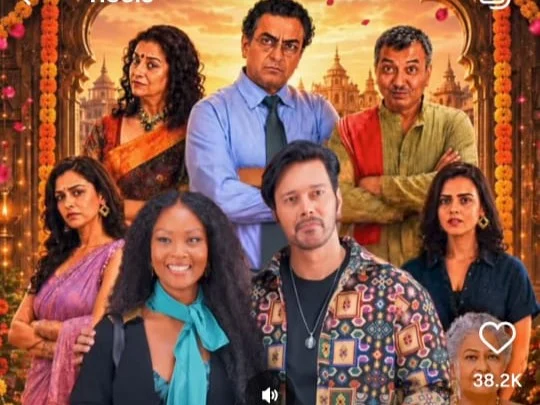
Visually, The Polygamist shows a big step up in African TV production. The series looks expensive and, importantly, meaningful. Its luxurious homes, modern corporate spaces, stylish outfits, and polished filming create a world filled with aspiration and status.
Unlike traditional telenovelas, often limited by quick production times and tight budgets, The Polygamist takes a more cinematic approach. Each frame shows careful attention to detail. The high production quality emphasizes the themes of wealth and power, making Jonasi’s world feel as appealing as it is destructive. The series illustrates how African TV can meet global streaming standards while keeping its local identity.
Sex Scenes
Much of the talk about the series has focused on its explicit content.
The sex scenes have sparked strong reactions from viewers, with some saying they are too much or unnecessary.
But in the story, intimacy is not just for show. It helps explain Jonasi’s relationships and the power dynamics at play. His sexual relationships form the base of much of the drama.
In that way, the scenes have a reason for being there. Whether viewers like how they are done is a different question, but they serve a purpose beyond just shock value.
Still, there are times when the series seems to overdo the drama. The focus on excitement sometimes overshadows deeper themes, leaving viewers with more spectacle than substance.
Where the series falters
Despite its strengths, The Polygamist has its issues. The 22-episode length can feel too long. Some storylines could have wrapped up faster, leading to repetition and occasional boredom. Some plot twists are predictable, especially for viewers used to soap opera and telenovela patterns.
More concerning is how the show deals with its main theme. Even with its title, The Polygamist separates polygamy from infidelity, excess, and moral failure. This distinction is important.
The series raises significant questions but rarely explores them deeply. This leaves the audience to figure out the answers.
What Nollywood can learn
Beyond entertainment, The Polygamist offers valuable lessons for Nollywood.
First is the importance of quality production. The series shows how good cinematography, sound, costumes, and design can enhance stories. Nollywood has room for improvement in these areas.
Like many international hits, The Polygamist draws strength from an existing book. Nollywood has many novels waiting for screen adaptation, including works by Chimamanda Ngozi Adichie, Sefi Atta, and Ayobami Adebayo.
The series also highlights the need for strong female characters. Joyce, Mpume, and other women in the story are not just side characters; they drive the plot and emotional core.
At the same time, Nollywood can learn from the show’s flaws. High production values should support strong storytelling. Although The Polygamist looks great, it sometimes confuses melodrama for depth and shock for real commentary. The best dramas mix visual quality with solid stories.
At its best, The Polygamist is an engaging look at power and its consequences. It focuses less on why men like Jonasi Gomora exist and more on the damage they leave behind.
The Polygamist may not fully explore polygamy as its title suggests. Still, it paints a gripping picture of broken families, hurt loyalties, and the fallout of a man who thought he could have it all without facing the consequences.
Verdict: 8/10
The Polygamist is streaming on Netflix




Drop your comment
No comments yet — be the first to drop the gist 👇