As countries work to adapt to a fast-changing global economy, having technology at the core is becoming more important than having natural resources. Around the globe, economic strength is moving towards nations that have shifted from relying on resources to focusing on innovation, advanced manufacturing, digitalization, and research.
Nigeria has always faced the challenge of turning its vast human and natural resources into the industrial and technological skills needed for economic growth, job creation, and national competitiveness. The National Agency for Science and Engineering Infrastructure (NASENI) is key to this effort. It was set up to develop Nigeria’s science, technology, and engineering infrastructure needed for local industrialization.
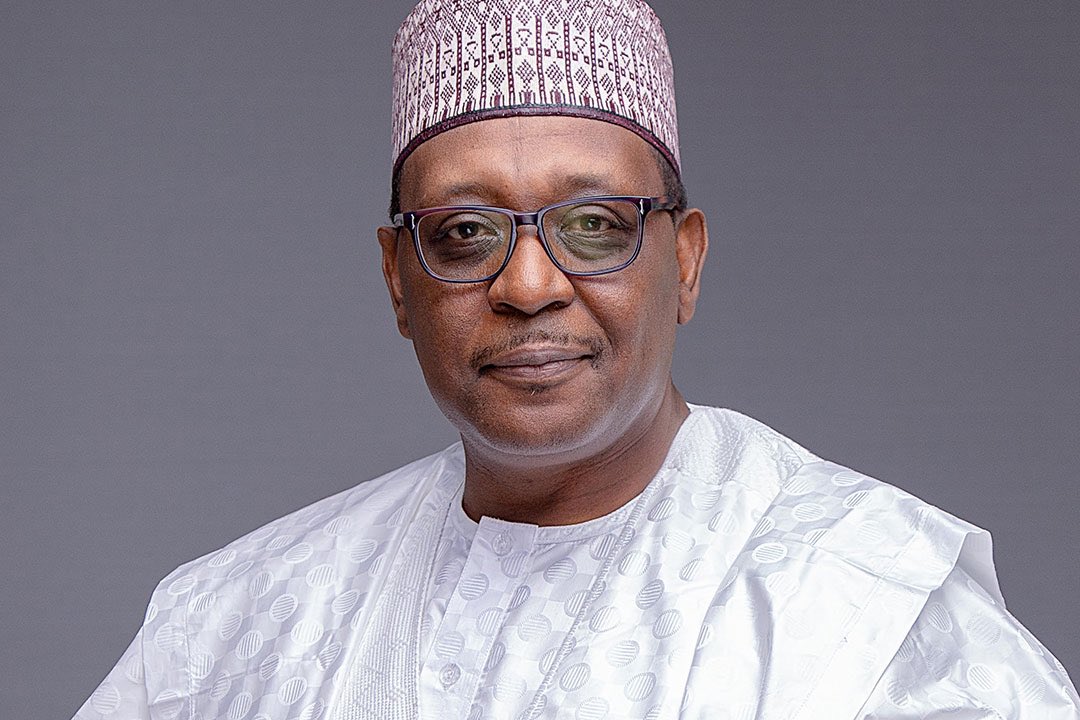
Under Mr. Khalil Suleiman Halilu's leadership, the Agency is pushing for big changes to make technology a major part of Nigeria’s economic future. Nigeria's aim to diversify its economy is now closely tied to building technological skills.
For years, Nigeria has depended heavily on crude oil revenues. This has made the economy vulnerable to global market changes, making industrial growth and innovation more urgent. So, NASENI’s new direction has attracted much attention.
The Agency’s new plan shows that it understands technology transfer, local manufacturing, and bringing innovations to market are vital for creating a strong economy that can compete both regionally and globally.
NASENI’s vision is to “Fuel Nigeria’s innovation for a sustainable future.” Its mission is to promote local industrialization, create jobs, and support national development through science and engineering infrastructure. Since he took office in September 2023, Halilu has shared a vision to take NASENI from just research settings to the marketplace.
The focus is on making sure that innovations do not just sit on shelves as prototypes but become real products that solve economic problems. Halilu said on the agency’s transformation agenda, “My vision is to make NASENI the number one innovation and technology transfer agency in the country.” Looking back at his third year in office, he stated, “It is a case of promise made and kept.”
One major focus of NASENI’s recent work is on technology sectors that can boost the economy. The Agency identifies these sectors as renewable energy, agriculture and food processing, transportation, healthcare technologies, information technology, manufacturing, and construction-related innovations.
These sectors are important for national development and global opportunities. Renewable energy is becoming key as countries look for cleaner energy sources. By investing in these technologies, Nigeria can tackle energy issues and create new industries.
Technology in agriculture can help improve productivity, cut down on waste, and boost food security. Applying engineering to agricultural processes can modernize one of Nigeria’s biggest economic sectors and provide jobs for many.
Transportation technologies are also important. Across Africa, there is a growing move towards electric mobility and clean transport. This creates chances for countries that can build local manufacturing around these new technologies.
These efforts are aimed at boosting local production capacity. For years, Nigeria has relied on imported industrial equipment and consumer goods. This reliance has stressed foreign exchange reserves and slowed local manufacturing growth.
NASENI’s plan aims to change this trend by promoting local production and technology development. The Agency wants to lower import costs through local innovation while producing competitive goods and technologies.
Advanced manufacturing is central to this vision. Globally, manufacturing is changing due to automation and digital technologies. Countries that want to remain competitive are investing in advanced manufacturing that combines engineering with digital innovation.


NASENI’s renewed focus on manufacturing shows it understands this shift. The Agency’s work includes research on capital goods, developing engineering equipment, and standardization. These are essential for any industrial system that wants to support lasting economic growth.
Digitalization is just as crucial. Modern manufacturing relies on digital tools to improve efficiency, cut costs, and enhance quality. The blend of digital tech and production is opening new avenues for countries ready to embrace change.
In recent years, policymakers and industry experts have stressed the need to include digital technologies in industrial plans. NASENI’s approach supports this by fostering ecosystems that connect research institutions, manufacturers, entrepreneurs, and tech developers.
Apart from infrastructure and manufacturing, the Agency's work also shows how important skilled people are in a knowledge economy. Growth based on knowledge needs not just machines but also talented individuals who can create and manage technology.
This is why innovation programs and tech projects for the youth are getting more attention. Projects like Delta-2, DELT-Her, She-Fly, Innovate Naija, and FutureMakers aim to boost innovation, strengthen entrepreneurship, and encourage more people to enter tech fields. Reports show these initiatives have sparked greater interest in science, technology, and innovation across various groups.
NASENI’s focus on technology transfer tackles a long-standing issue in many developing economies: turning research into products. The Agency's strategy aims to bridge this gap, guiding innovations from labs to factories, and into local and international markets.
This team approach is clear in NASENI’s growing partnership with public and private sectors. The Agency promotes working with local and international partners to speed up technology transfer, increase manufacturing capacity, and commercialize innovations.
As Nigeria aims to strengthen its position in Africa, being self-reliant in technology will be more crucial. The African Continental Free Trade Area (AfCFTA) is creating a larger market where countries will compete based on the strength of their industries and technologies, not just resources.
For Nigeria, being competitive in the region will depend on its ability to manufacture, innovate, and export quality products. Institutions like NASENI are therefore crucial in achieving the country’s long-term economic goals.
The Agency’s Strategic Launchpad sets ambitious goals, such as reducing reliance on imports, creating jobs, boosting exports, and enhancing industrial productivity through technology and innovation. Meeting these goals will need consistent commitment and investment, but the plan shows where the Agency wants to go.
Finally, what NASENI is doing under Halilu is bigger than individual projects. It represents a wider effort to place technology, engineering, and innovation at the heart of Nigeria’s development plans.
In a time when knowledge economies and digital changes define success, countries that do not invest in technology risk being left behind. For Nigeria, the challenge is not just to join the global tech movement but to actively play a part in it.
The vision behind NASENI today is about that hope: a future where Nigerian innovation drives local industries, boosts regional competitiveness, cuts down on imports, and opens new doors for economic growth. If this vision is maintained over time, it could be one of the most important steps in Nigeria's journey toward a technology-driven economy.



Drop your comment
No comments yet — be the first to drop the gist 👇