The Nigerian Content Development and Monitoring Board (NCDMB) is urging local oil and gas companies to improve their skills and competitiveness. This move is to help them succeed in global markets. The Board believes that access to assets, funding, technology, and markets is crucial for lasting growth.
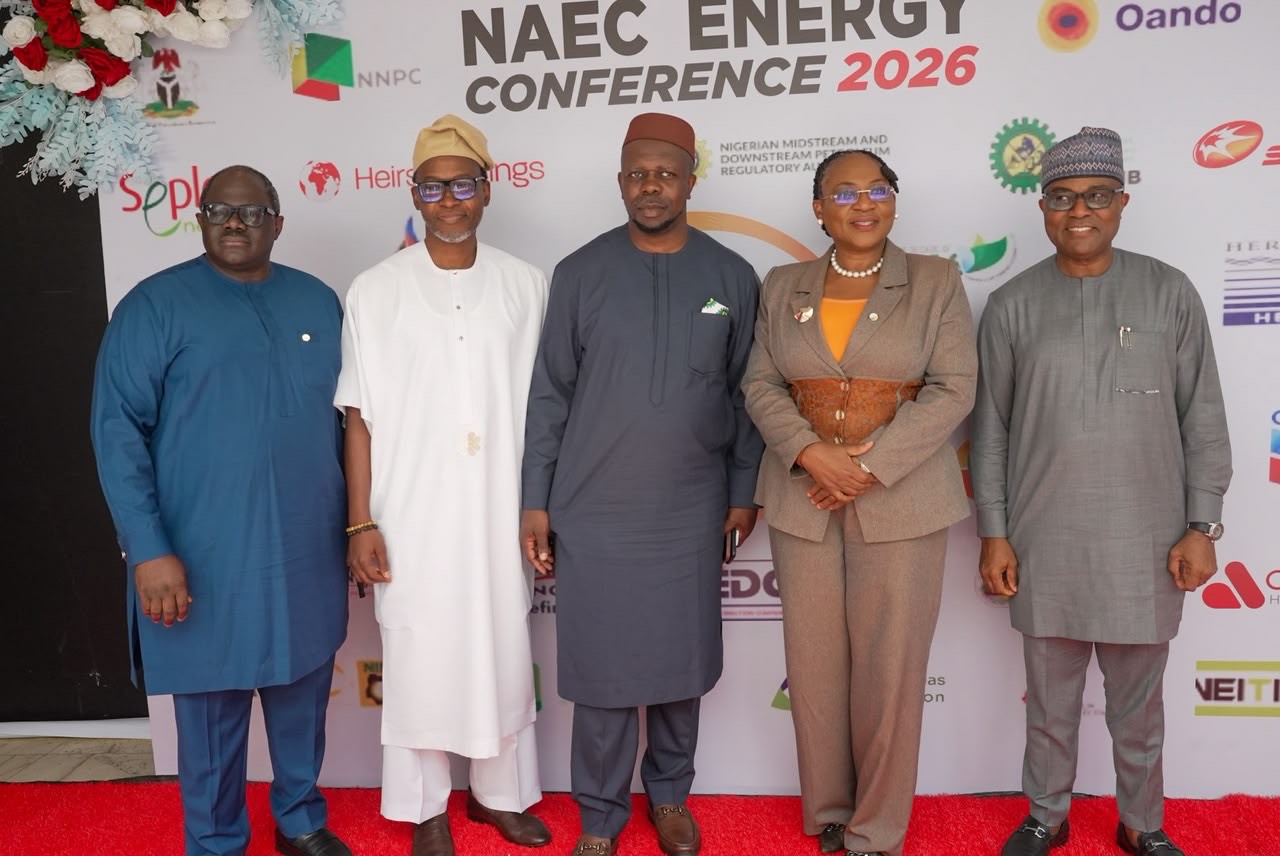
Dr Obinna Ezeobi, the Board’s General Manager of Corporate Communications, made this call at the 2026 Energy Conference of the Association of Energy Correspondents of Nigeria (NAEC). The event took place on 8 October at Eko Hotel and Suites in Lagos. Ezeobi represented the NCDMB at the conference.
He pointed out that the theme of the conference, “Access to Assets: Empowering Players and Driving Growth,” fits well with the goals of the Nigerian Oil and Gas Industry Content Development (NOGICD) Act. This Act aims to create real opportunities for Nigerians to be active players in the industry.
Ezeobi noted that the Nigerian Content 10-Year Strategic Roadmap, launched in 2017, is based on five main pillars and four enabling factors. The goal is to increase local content participation to 70 percent by 2027. The roadmap also aims to improve access to key assets for skilled Nigerian professionals and boost the capabilities of local operating and service companies.
Ezeobi shared some of NCDMB’s key initiatives that have helped Nigerian companies gain skills, secure funding, and access more opportunities in the oil and gas sector. One major initiative is the Nigerian Content Intervention Fund (NCI Fund).
He mentioned that over 130 local companies have accessed more than US$400 million through this Fund, which is managed by the Bank of Industry and NEXIM Bank. He also talked about Project 100, which is aimed at helping promising local companies through skills development, market access, financial connections, and tailored business support.
Other important programs include the Nigerian Content Equipment Certification (NCEC), the Nigerian Oil and Gas Parks Scheme (NOGaPS), and vendor development programs. All these efforts are meant to enhance local participation and make Nigerian firms more competitive.
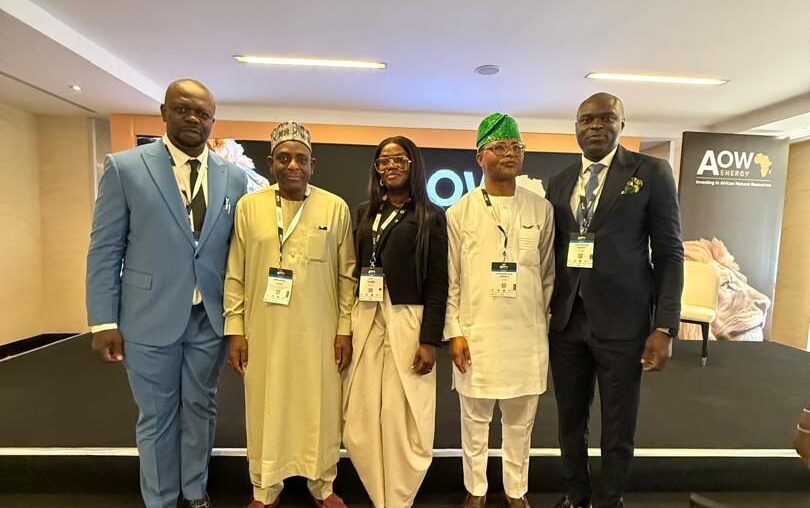


Ezeobi also explained that the Board is working to create partnerships between Nigerian and foreign companies. They are also encouraging regional collaboration to help local businesses grow beyond Nigeria. He was pleased to note that Nigerian content in the oil and gas industry has increased from just 5 percent in 2010 to 61 percent after 16 years of the Nigerian Content Act. He added that the next step is to equip local companies with the necessary skills, technology, and business systems to compete internationally.
In his welcome speech, NAEC Chairman Ugo Amadi called for more chances for local companies to acquire and develop oil and gas assets. He pointed out that high entry costs, funding issues, and long approval processes are major obstacles.
PETAN Chairman, Wole Ogunsanya, highlighted the need for stronger teamwork among local oilfield service companies. This will allow them to combine their technical skills and take on bigger projects.
The Conference Chairman and Group Managing Director of Sahara Power Enterprise Group, Mr. Kola Adesina, represented by Head of Corporate Communications, Bethel Obioma, stressed that access should go beyond just owning assets. It should also cover capital, partnerships, markets, technology, and opportunities. He said, "access is actually much greater and more important than assets," noting that every successful journey starts with access to ideas, mentors, capital, and partnerships before any physical assets.
Minister of State for Petroleum Resources (Gas), Rt. Hon. Obongemem Ekperikpe Ekpo, represented by Senior Technical Adviser, Engr. Abel Nsa, emphasized the need for Nigeria to go beyond simply owning its gas resources. He said the focus must shift to developing, financing, and turning these resources into real economic value. He explained that the Federal Government’s Decade of Gas initiative aims to change Nigeria from a resource-rich nation to one that uses gas for industrial growth, power generation, transportation, manufacturing, fertilizer production, and other productive uses that can boost economic development.


Drop your comment
No comments yet — be the first to drop the gist 👇