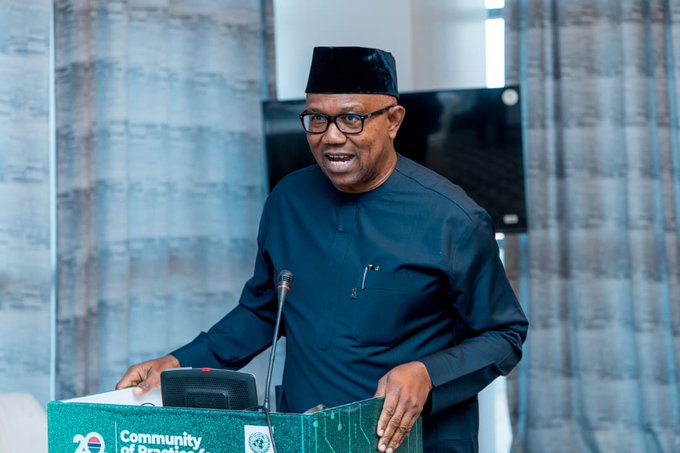
In Nigerian politics, some statements by presidential candidates can cause serious problems. These are not just the ones that create immediate controversy or lead to quick apologies through press releases. Those statements can be managed and eventually fade into the background of political noise. The real issues come from statements that are never taken back or corrected. They linger in the public record and become more relevant as time passes. They wait for a moment when political stakes are high to show up as major liabilities for a candidate. For Peter Obi, the Labour Party presidential candidate of 2023 and now the presidential flagbearer of the Nigeria Democratic Congress for 2027, that statement was made on Channels Television on October 1, 2017. In the nine years since, it has never been retracted, corrected, or replaced by any statement that suggests a change in position.
The statement is on record and verified by several credible sources like Vanguard, Legit.ng, Guardian Nigeria, and Channels Television. Speaking on the program Politics Today, Peter Obi said, in his own words: "The only thing I disagree with is naming IPOB terrorist. They are not terrorists. I stay in Onitsha, and I can tell you that they are people I pass on the road every day. I meet and live with them. In fact, I usually see people gathering, and I have never had the sense of threat or molestation from them, even when they gather." This comment came after the Buhari administration banned the Indigenous People of Biafra as a terrorist group in September 2017. The Federal High Court of Nigeria backed this decision, and by May 2022, the UK government accepted it and used it to deny asylum to IPOB members. Nigerian security and intelligence assessments have also supported this label based on documented violent attacks and enforced sit-at-home orders attributed to the group.
The importance of this statement did not end in 2017. It came up again with serious consequences before the 2023 presidential election. This caused anger across Northern Nigeria and worsened the trust issues Obi faced in a region that has suffered a lot from political violence. Voters there wanted candidates to openly acknowledge and name those who threaten their lives. Northern political leaders have consistently labeled Boko Haram and bandits as terrorists, taking moral responsibility for that label, no matter the political cost. Peter Obi did not do the same for IPOB, and his campaign never gave a clear answer to why.
When the pressure to clarify his IPOB position became too much in July 2023, Obi issued a statement on Nigeria's insecurity. Critics saw this as a clever way to avoid the issue. The statement focused on killings in the North Central zone while downplaying IPOB's criminal activities in the South-East as just disruptions. Families of security personnel killed by IPOB, communities affected by sit-at-home orders, and South-Eastern residents living in fear found this response deeply inadequate and insulting. He referred to sit-at-home orders as "purported reports," questioning the real experiences of millions. He did not call for an investigation into IPOB or the arrest of those responsible for the violence. This was not a retraction of his 2017 stance. It was a carefully worded restatement that was slightly more diplomatic but essentially the same.
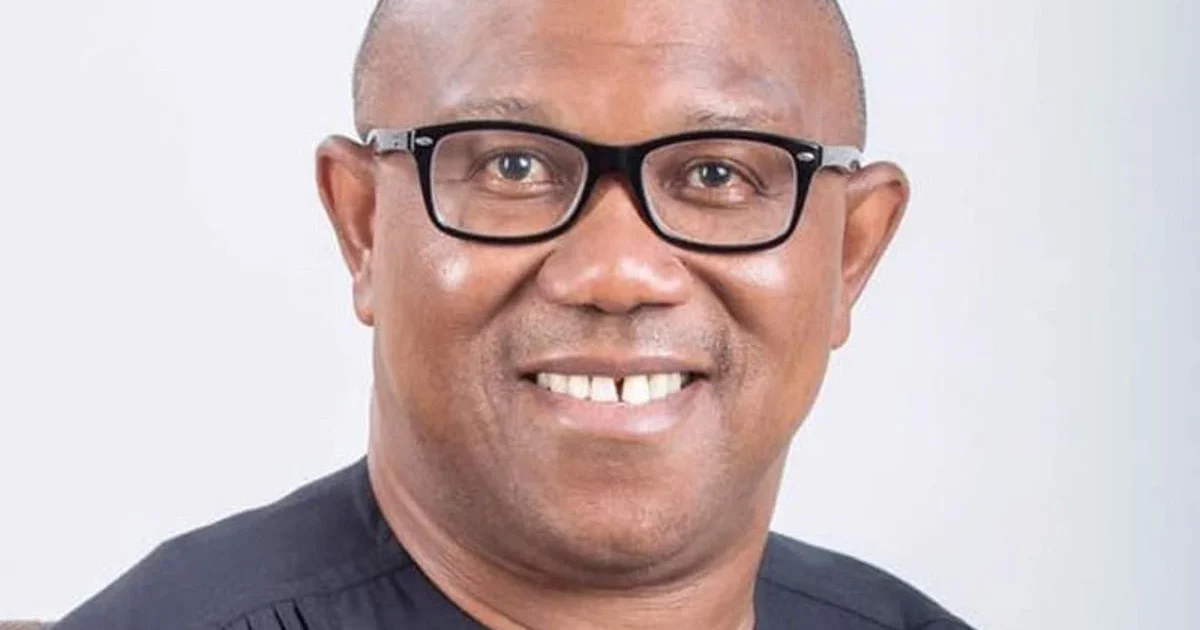
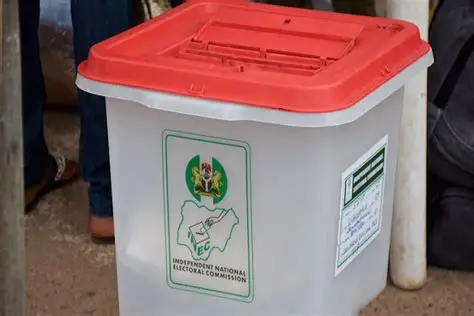
The political situation for 2027 makes this unresolved issue a bigger problem for Obi’s chances in the North than in 2023. In the years since, the effects of IPOB's actions in the South-East have become a reality for millions of Nigerians. The sit-at-home orders, enforced through violence and fear, have cost the South-Eastern economy hundreds of billions of naira. These orders have disrupted education, healthcare, and daily life in communities that IPOB claims to represent but has harmed. The Eastern Security Network's attacks on security forces and civilians have created a death toll and pattern of violence that any serious presidential candidate must address with moral clarity.
Peter Obi has not provided that clarity. His 2027 campaign is focused on economic management, governance reform, power sector development, and having Senator Rabiu Musa Kwankwaso as his running mate to win back northern support. These issues are essential for a presidential campaign. But they do not replace the critical question that northern voters will ask before voting in 2027: does Peter Obi consider IPOB a terrorist organization, yes or no? Until he gives a clear answer that directly addresses this question, every rally he holds in the North and every promise he makes will be overshadowed by the nine-year-old statement that remains in the public record.
The North does not easily forget statements about terrorism. It cannot afford to. The region has paid a high price in lives and livelihoods due to organized violence. They will not give the benefit of the doubt to a candidate whose clear stance on a terrorist group has never been corrected or updated in nine years. Peter Obi’s IPOB issue is not just a campaign challenge. It raises questions about his character and credibility. In the North, where the cost of unclear positions on terrorism has been measured in blood, it could be the question that ruins his 2027 presidential dream.
Drop your comment
No comments yet — be the first to drop the gist 👇