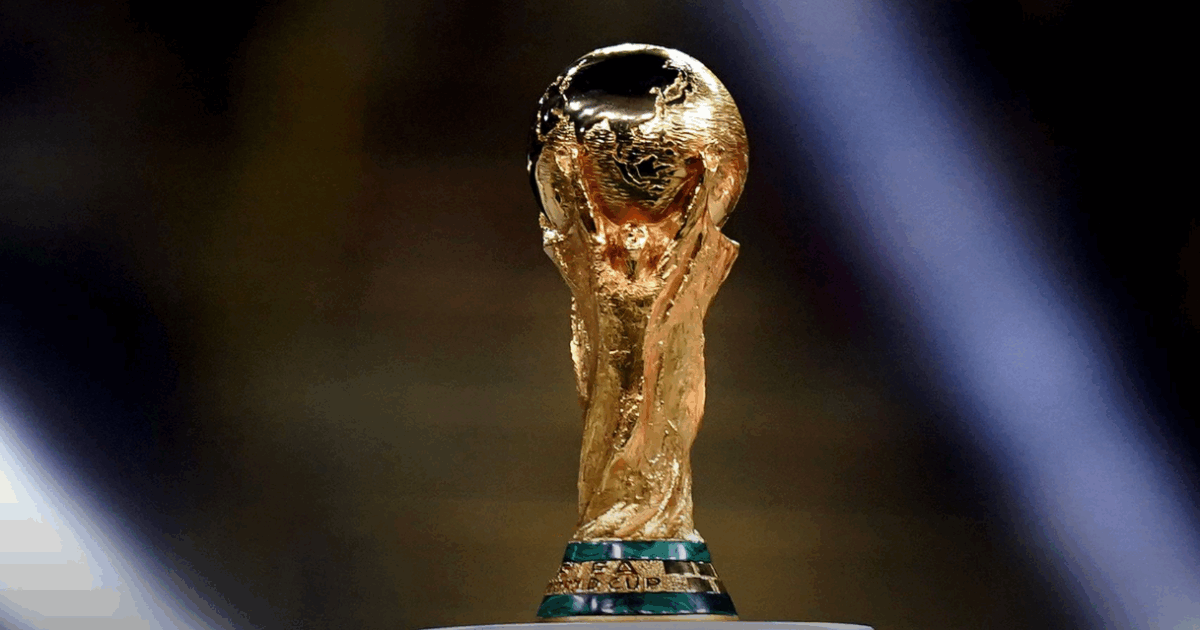
As we get ready for the FIFA World Cup 2026, football's rule-making body, the International Football Association Board, has approved a big set of rule changes. This will be the first major tournament to use these new rules.
According to a post on FIFA’s website on Tuesday, here are the new rules that will be used in the upcoming global event in the United States, Canada, and Mexico.
Throw-in and Goal-Kick Countdown
To stop time-wasting:
* Referees will start a visible 5-second countdown.
* If a throw-in is not taken in time, the other team gets the ball.
* If a goal kick is delayed, the other team will get a corner kick.
10-Second Substitution Rule
When a player is substituted:
* The player leaving must go off within 10 seconds.
* They must exit from the nearest boundary line.
* If they take too long, the new player cannot come on until the next stoppage after one minute of play.
Injured Players Must Stay Off for One Minute
If play stops for treatment:
* The injured player must leave the field.
* They cannot return until one minute after play resumes.
Exceptions are:
* Goalkeeper injuries
* Serious injuries
* Head injuries or concussions
* Goalkeeper-player collisions
* Certain penalty situations.
Expanded VAR Powers
VAR can now step in during more situations:
* Incorrect Second Yellow Card: VAR can check a wrongly given second yellow that leads to a red card.
* Mistaken Identity: If the wrong player gets a yellow or red card.
* Wrongly Awarded Corner Kick: VAR can fix a clearly wrong corner-kick call if the review is immediate.
* Fouls Before Set-Piece Restarts: VAR can step in if a foul happened before the ball was put back in play.
Red Cards for Mouth-Covering Confrontations
A player who covers their mouth with their hand, arm, or shirt while arguing with another player could get a red card. This rule aims to reduce abusive behavior and promote transparency.
Red Cards for Walk-Off Protests
Players who leave the field to protest a referee’s decision can be sent off. Teams that abandon matches in protest may lose the game. Team officials who support such actions can also face penalties.
Referee Body Cameras
Competitions might allow referees to wear cameras on their chest or head. The organizers control the footage and how it is used.
New Equipment Rules
Players can wear items that were once banned if they are:
* Not dangerous
* Properly covered
* Securely fastened.
Dropped-Ball Clarification
When play stops and restarts with a dropped ball:
* Possession goes to the team that would likely have had the ball if play had not stopped.
Penalty “Double Touch” Clarification
The rules now include guidance on accidental double touches by the penalty taker, following an earlier IFAB clarification.
DOGSO Advantage Change
If a player commits an offence that denies a clear goal-scoring chance (DOGSO), but the referee plays advantage and a goal is scored:
* The offending player will not get a caution because the goal was scored.
More Substitutes in International Friendlies
For senior international friendlies:
* Up to 8 substitutes are allowed.
* Teams can agree to increase this to 11.
Hydration Breaks
At the World Cup:
* There may be a three-minute hydration break in each half.
* This usually happens around the 22nd minute.
* Referees can adjust based on match conditions.
Existing Goalkeeper Time-Wasting Rule
This rule was introduced before the World Cup:
* Goalkeepers can hold the ball for a maximum of 8 seconds.
* Referees will count down the last 5 seconds visibly.
* Going over the limit gives the other team a corner kick.

Drop your comment
No comments yet — be the first to drop the gist 👇