The Nigerian Financial Intelligence Unit (NFIU) is working on a new plan for sharing information. This is to improve the trust and strength of Nigeria's financial system.
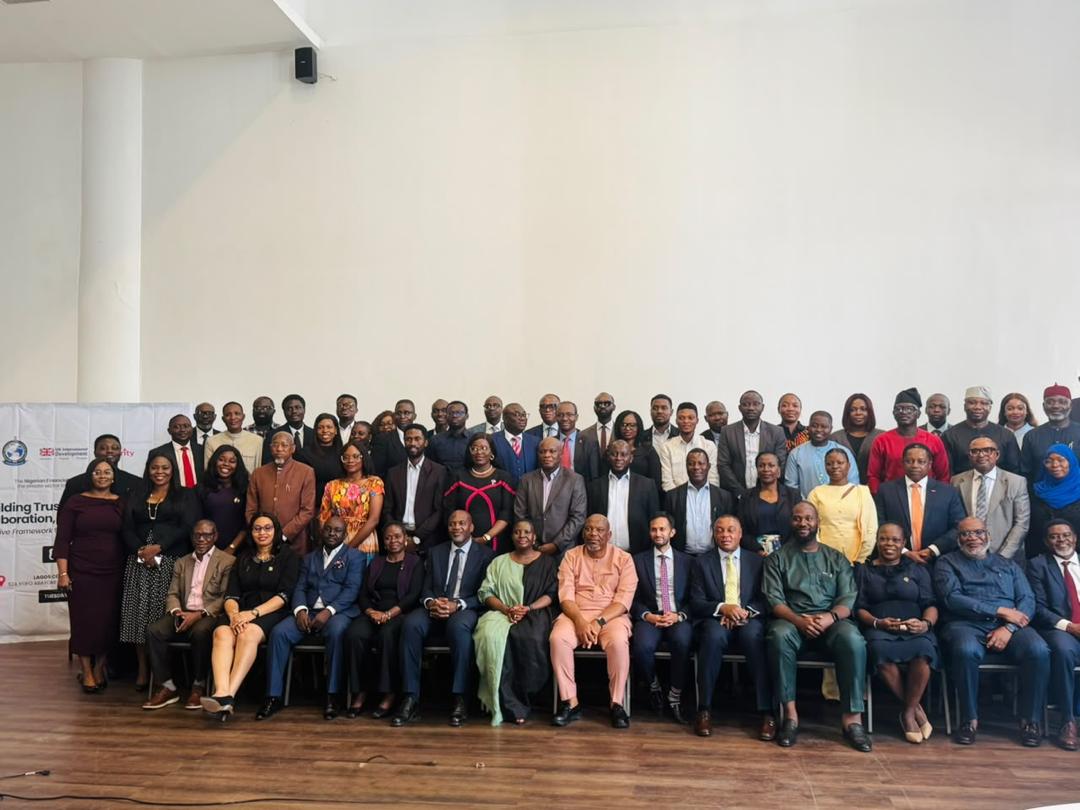
On Wednesday, people from different areas of the financial system met in Abuja. They gathered for a high-level meeting to design the Joint Financial Intelligence Collaboration (JFIC).
The NFIU organized this meeting with support from the British High Commission in Nigeria and the Convention for Business Integrity (CBi). Attendees included regulators, banks, insurance companies, fintech firms, Virtual Asset Service Providers (VASPs), tech companies, and other important groups. They all aimed to build the JFIC framework.
Hafsat Bakari, the Chief Executive Officer of NFIU, shared her thoughts in a statement on Thursday. She said, "The collaboration will help identify emerging threats, disrupt illicit financial networks and strengthen the integrity of Nigeria’s financial system."
She added, "The initiative seeks to create a trusted platform through which public and private-sector institutions can work together more effectively."
Felix Obiamalu, NFIU’s General Counsel, represented Mrs. Bakari at the event. He said the process has gone beyond just talking about the partnership.
He stated, "We have moved from dialogue to design, to commitment and implementation."
Obiamalu also mentioned that they are now focused on figuring out what the partnership will look like, how it will function, and the benefits for everyone involved.
Xolisile Khanyile, who used to be the Chairperson of the Egmont Group and the Director of South Africa’s Financial Intelligence Centre, gave a keynote speech. She emphasized that private-sector involvement is a national duty.
Khanyile encouraged Nigeria to take a practical and step-by-step approach to this new partnership. She said trust, shared ownership, and teamwork "are the foundations of every successful public-private partnership."
She also pointed out that this initiative is timely and necessary. This is especially true given Nigeria's role in the global fight against money laundering and terrorist financing.


Jehanzeb Khan, who represents the British High Commission, spoke about the need for "stronger public-private collaboration in tackling illicit financial flows."
Olusoji Apampa, the Managing Director of the Convention for Business Integrity, said the process was designed to position the private sector at the center of decision-making. He believes this will help ensure the new framework reflects the real needs of private-sector institutions.
The NFIU reported that the meeting finished with strong support from stakeholders for the planned framework. There was a shared commitment to move forward with a partnership that could boost financial intelligence and improve how threats are detected.
The partnership will also help Nigeria respond to more complex financial activities. "For many participants, the message was clear: no single institution can combat today’s financial crimes alone," the statement added.
It continued, "Effective action requires government and industry working together, sharing insights, identifying risks early and building collective resilience against illicit financial activity."
The NFIU is Nigeria’s main agency for receiving, analyzing, and sharing financial intelligence related to money laundering, terrorism financing, and other financial crimes.
It gets reports of suspicious transactions from financial institutions and analyzes this information. It then shares relevant intelligence with law enforcement and other agencies for further action.
The NFIU also studies new financial crime threats and collaborates with local and international partners to strengthen Nigeria’s systems against money laundering and terrorist financing.
Established in 2004, it began operations in 2005 as part of the Economic and Financial Crimes Commission (EFCC). The NFIU Act 2018 later gave it independence.
The NFIU is the central body for Nigeria’s efforts against money laundering, terrorist financing, and related crimes.




Drop your comment
No comments yet — be the first to drop the gist 👇