The federal government is pushing for more African-led research and partnerships to help prevent, diagnose, and treat liver cancers.
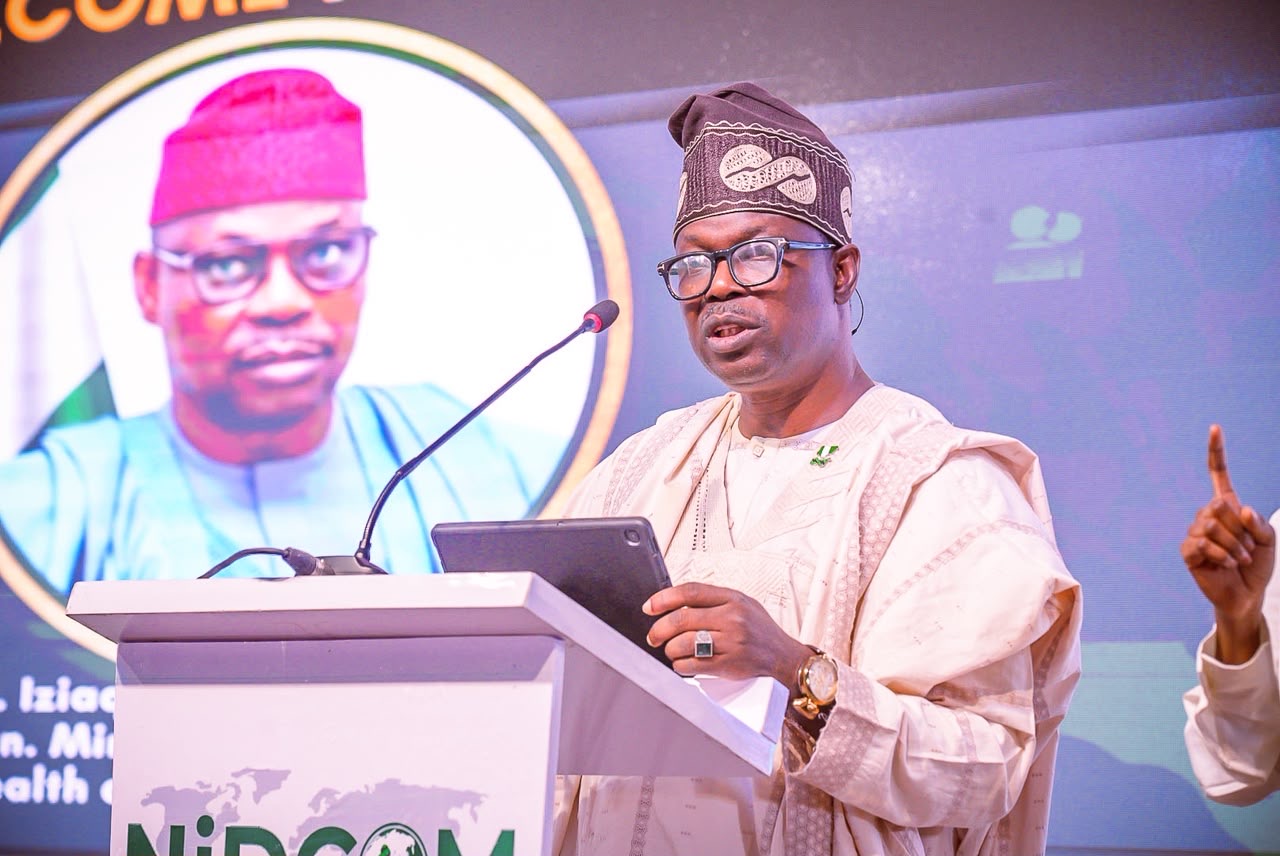
The Minister of State for Health and Social Welfare, Iziaq Salako, made this call at the fifth Africa Hepato-Pancreato-Biliary Cancer Consortium (AHPBCC) Conference on Thursday in Abuja.
Mr Salako, represented by Ali Gombe, the director of clinical services at the National Institute for Cancer Research and Treatment (NICRAT), said African nations need research that truly reflects their populations and health systems. This evidence will help in creating effective cancer solutions.
He urged for more investment in research that looks into disease patterns, risk factors, genetics, prevention, diagnosis, and treatment. This should include cancer registries, clinical trials, and research networks that work together.
He also suggested using digital health, genomics, and artificial intelligence to boost cancer prevention, diagnosis, treatment, and monitoring.
"Research should translate into affordable, accessible, sustainable interventions for African populations," Mr Salako said. He called AHPBCC a valuable platform for different experts to work together.
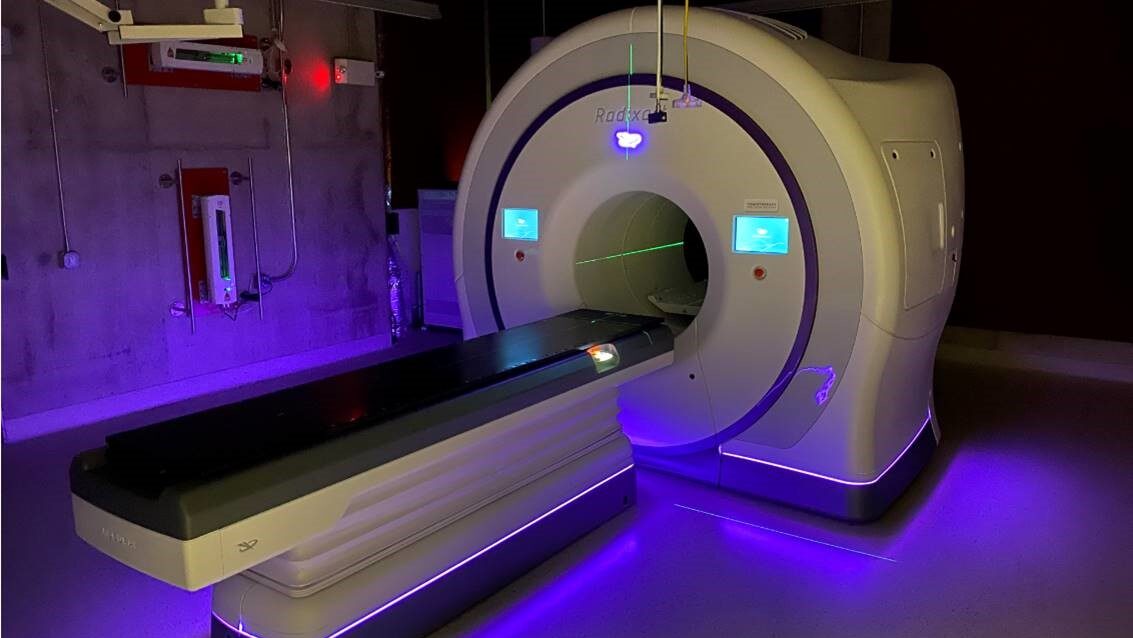
He added that Nigeria is working to improve cancer prevention and early detection while expanding diagnostic and treatment facilities under the National Strategic Cancer Control Plan.
According to him, effective cancer control needs a complete approach that includes risk reduction, health education, early diagnosis, surgery, systemic therapy, radiotherapy, palliative care, and support for survivors.
Mr Salako mentioned that the government is enhancing financial protection through the National Cancer Health Fund, although hepatobiliary cancers are not currently covered. There are plans to change that.
He also highlighted the Nigerian Cancer Access Partnership, which offers 50 to 60 percent discounts on anti-cancer drugs, and plans for a catastrophic health fund.
Prevention is key, especially through tobacco control, healthier lifestyles, and managing viral infections linked to cancer.
"For liver cancer, especially hepatitis, we focus on preventing and controlling hepatitis B and C through vaccination and screening," he said.
Mr Salako noted that Nigeria is investing in specialists, laboratories, cancer treatment centers, and research facilities. This also includes mentorship, fellowships, specialized training, and sharing knowledge.
He stressed that no single country or institution can handle the cancer crisis alone. He called on governments, researchers, universities, civil society, development partners, and the private sector to collaborate.
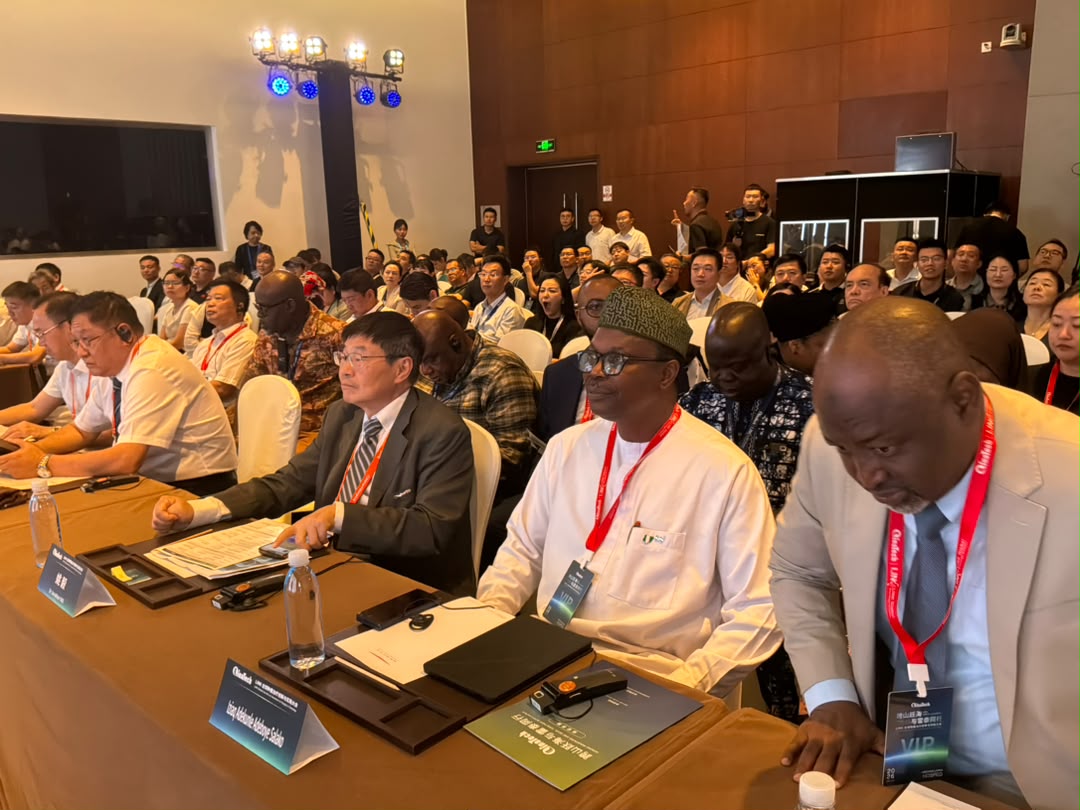
Abdulfatai Olokoba, president of the Society of Gastroenterology and Hepatology in Nigeria (SOGHIN), said the conference shows how organizations can partner in the fight against cancer and digestive diseases.
Mr Olokoba said the collaboration brings together oncologists, surgeons, pathologists, radiologists, scientists, nurses, and other professionals to enhance skills and knowledge.
He pointed out that hepatobiliary cancers are challenging in Africa due to late diagnoses, limited resources, and low awareness.
The three-day conference will focus on prevention, treatment, research, survivorship, public health education, vaccination, surgical innovations, and methods suited to African needs.
Lewis Roberts, president of the African Institute for Liver and Digestive Diseases (AILDD), explained that liver cancers often affect younger people in Africa, leading to a significant loss of life.
He said that prevention and early detection should be prioritized since cancers found early are generally easier and cheaper to treat.
The conference workshops are looking at how to detect bile duct, pancreatic, and liver cancers earlier through advanced techniques like endoscopy and imaging.
Mr Roberts mentioned that research should also look into blood tests that can detect cancers sooner without requiring invasive procedures.
For patients diagnosed at advanced stages, he said research into tumor biology could lead to targeted treatments tailored to specific cancers.
But he noted that the cost of some advanced treatments, like monoclonal antibodies, is still too high for many African health systems.
"We have to start now, and we have to start here," he said, encouraging African scientists to create solutions that fit the continent’s needs.
The News Agency of Nigeria (NAN) reports that over 300 delegates from more than 30 countries are attending the conference. It focuses on prevention, treatment, research, and survivorship for cancers affecting the liver, pancreas, and biliary tract.
The conference started on Wednesday and will end on Saturday, bringing together experts from Africa, the United States, Europe, Asia, and other regions. (NAN)



Drop your comment
No comments yet — be the first to drop the gist 👇