The 2026 FIFA U-17 Women’s World Cup in Morocco is getting exciting, and the numbers tell a great story of talent and historic moments.
Nigeria, Brazil, Japan, and defending champions DPR Korea have made it to the semi-finals. The tournament has shown some amazing records. From Brazil’s Greise Kelly scoring goals to DPR Korea’s Yu Jong-hyang making her mark, this competition is revealing the talent in women’s youth football.
For Nigeria, the Flamingos' journey is a big talking point. They not only reached the semi-finals but also made headlines by defeating DPR Korea 3-1 in the group stage, ending the Asian team's unbeaten run in the finals.
PREMIUM TIMES looks closer at the stats and records shaping the 2026 U-17 Women’s World Cup in Morocco.
Brazil’s defensive duo lead the playing-time charts with 519 minutes played
Brazilian goalkeeper Nathy and defender Isa Rech are the only players to have played every minute of the tournament, totaling 519 minutes.
They lead the playing-time rankings, with six Nigerian players right behind them at 514 minutes each. These numbers show how important it is to stay consistent and fit in a tournament where there's little time to rest.
Nigeria's presence among the top players also shows the trust in the core team of the Flamingos during their campaign.
Greise Kelly’s remarkable influence on Brazil’s attack
Greise Kelly has been a standout player for Brazil, contributing to 47.06 percent of the team's 18 goals in the tournament.
The Brazilian forward has scored three times and provided five assists, making her the top assist provider. Her impact was clear in the quarter-finals, where she scored Brazil’s equalizer in their comeback victory over China PR.
With eight direct goal contributions, Greise is key to Brazil’s attacking success and is a player to watch as the competition progresses.
DPR Korea’s remarkable goalscoring output with 43 so far
DPR Korea is known for being a strong force in youth women’s football, and their scoring record shows this.
The Asian champions have scored 43 goals in the 2025 and 2026 tournaments through six players: Yu Jong-hyang has 15 goals, Kim Won-sim 13, Ri Ui-gyong eight, and Ri Ye-rim and Ri Kyong-im three each, while Ri Hyo-yang has one.
Their impressive goal-scoring shows that several players can consistently find the net.
Nigeria’s 3-1 victory over DPR Korea was more than just a win. It was a strong performance against a team known for its goal-scoring ability.
Nathy’s busy campaign between the posts
Brazil's goalkeeper Nathy has made 27 saves, the third-highest by any goalkeeper at Morocco 2026.
Though she has worked hard to keep Brazil in the tournament, she has only one clean sheet, showing the pressure her defense has faced.
DPR Korea’s Kim Son-gyong presents a different story. She has made just five saves but has three clean sheets, highlighting the defending champions’ strong defense.
Yu Jong-hyang stands alone as the tournament’s leading scorer with 15 goals
Yu Jong-hyang from DPR Korea has become the top scorer in the history of the FIFA U-17 Women’s World Cup.
Her 15 goals in the 2025 and 2026 tournaments surpass all other players in the competition's history. She helped DPR Korea lift the trophy last year with eight goals and has added seven more in Morocco.
Her consistent performance makes her a standout player of this generation, reinforcing DPR Korea’s status among the competition's best teams.
Japan’s Shirai closing in on a coaching record
Japan's head coach Sadayoshi Shirai is nearing a historic milestone, having managed 14 matches at the U-17 Women’s World Cup.
Shirai led Japan in the 2024 and 2025 tournaments and is now ready for another semi-final against DPR Korea.
This match could tie him with Kenneth Zseremeta’s record of 15 coaching appearances. He could break the record in the final or third-place match.
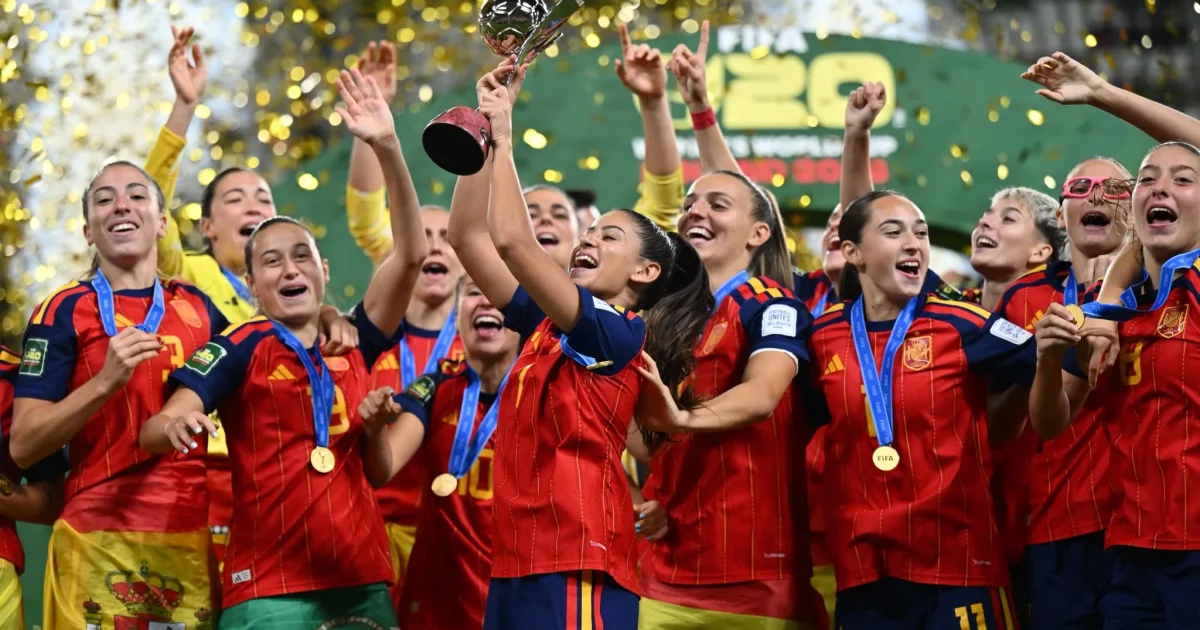

The semi-finalists boast an impressive history at this stage
The four teams left have collectively reached the semi-finals 11 times in the U-17 Women’s World Cup.
DPR Korea leads with six appearances, showing their stronghold in the competition. Japan has reached the semi-finals three times, while Brazil and Nigeria each have one previous appearance before this edition.
Brazil’s last appearance ended in a 2-0 loss to DPR Korea last year, while Nigeria's latest qualification provides another chance to shine at this level.
For the Flamingos, reaching the semi-finals is especially significant as they aim to add another achievement to Nigeria’s record in youth women’s football.
Brazil’s attacking threat comes from across the squad
Brazil’s goal-scoring has come from many players at Morocco 2026, with nine different players scoring.
Greise Kelly tops the team’s chart with three goals, while Helena, Marcela Bontorim, Nicolly Manuel, and Pepe have two each.
Carol Melo, Indy, Kaillany Ranifah, and Sofia Gamonal have each scored once. This spread of goals shows Brazil’s attacking strength and makes them hard to defend against.
A familiar semi-final pattern continues
For the fifth straight edition of the U-17 Women’s World Cup, two teams from the same group have reached the semi-finals.
Nigeria and DPR Korea are the latest teams to do so, both coming from Group B, even after Nigeria’s 3-1 victory over them.
This result was significant as it marked DPR Korea’s first defeat at the finals in eight years. Despite different paths to the last four, their progress shows the competitiveness of Group B and the quality of the teams involved.
Ryu Mi-hong and Ayomide Rotimi reach a third tournament
Two players in the remaining teams are in their third U-17 Women’s World Cup, having played in the 2024 and 2025 editions as well.
DPR Korea’s goalkeeper Ryu Mi-hong has been part of the squad that won the last two tournaments but has not played in Morocco.
Nigeria’s Ayomide Rotimi has also been an unused substitute this time, having appeared five times in the previous tournaments.
Their presence shows the continuity in both teams, though their involvement in Morocco has been limited.
Japan’s defensive record stands out
Japan has only conceded once on their way to the semi-finals, making them the toughest team to score against.
Brenda Achieng from Kenya is the only player to have scored against them during their round-of-16 match.
This achievement matches Japan’s history in the 2014 tournament, when they reached the semi-finals with the fewest goals conceded.
Europe faces an unprecedented semi-final absence
For the first time in FIFA U-17 Women’s World Cup history, no European team is in the semi-finals.
The final four in Morocco are all teams from Africa, Asia, and South America: Nigeria, DPR Korea, Japan, and Brazil.
This is a big change for a tournament that usually has strong European teams in the later stages.
Nigeria’s presence is crucial for Africa. The Flamingos carry the continent’s hopes into the final four and will show the progress of African women’s youth football.
As the semi-finals get closer, the numbers highlight a tournament dominated by familiar powerhouses, emerging stars, and important achievements. But for Nigeria, the key statistic is still the chance ahead: one more win could take the Flamingos to the final and bring them closer to another historic moment in their World Cup journey.
Drop your comment
No comments yet — be the first to drop the gist 👇