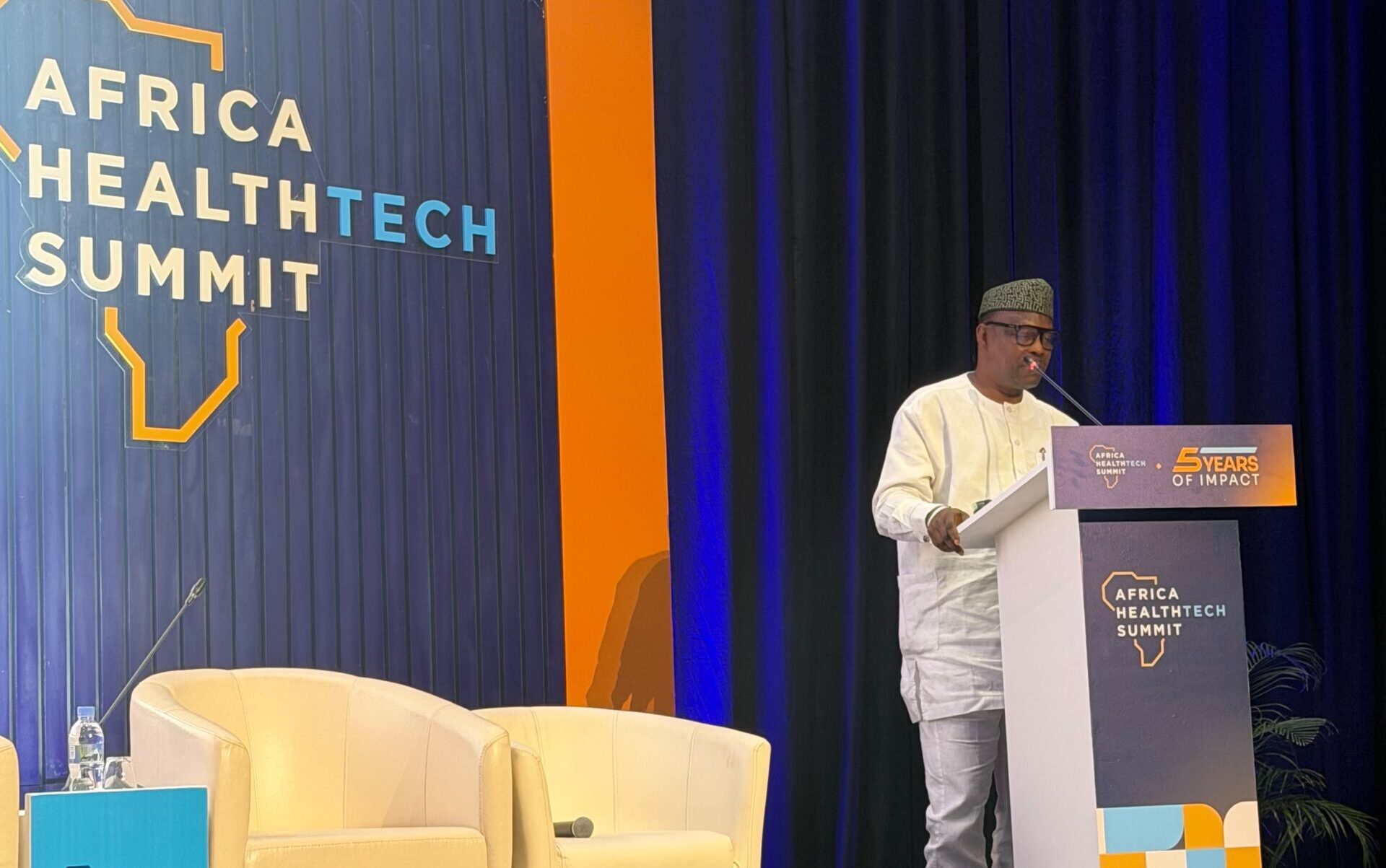
Nigeria is shifting from making separate digital health apps to building a National Digital Health Architecture (NDHA) that aims to change the health sector.
The Minister of State for Health and Social Welfare, Iziaq Salako, shared this news while speaking at the 5th Africa Healthtech Summit on Wednesday at the Kigali Convention Centre in Rwanda.
Mr Salako said Africa has shown it can innovate with electronic medical records, telemedicine, and Artificial Intelligence tools. But the main challenge is linking these innovations into lasting national systems.
"Through the Nigeria Digital in Health Initiative, we have developed a National Digital Health Architecture (NDHA), endorsed by our National Council on Health. This is to set up the national plan and the guidelines for how our digital health system should grow," he stated.
He added that under President Bola Tinubu’s Nigeria Health Sector Renewal Investment Initiative (NHSRII), which is being carried out through a Sector-Wide Approach (SWAp), digital changes are seen as key for better service delivery, governance, funding, and health results.
The Minister pointed out that for many years, investments in digital health produced useful but program-specific solutions that could not talk to each other. Different electronic medical records were working without common standards.
To fix this, Mr Salako mentioned that the federal government, through the Nigeria Digital in Health Initiative, has created the NDHA. This was approved by the National Council on Health as the national plan for a secure and connected health system.
He explained that the architecture is centered on a Health Information Exchange with a Shared Health Record and national registries for patients, health facilities, and health workers, based on the idea of "one patient, one health record."
He noted that the country is already seeing benefits at the sub-national level, with telemedicine helping connect doctors to families in rural areas.
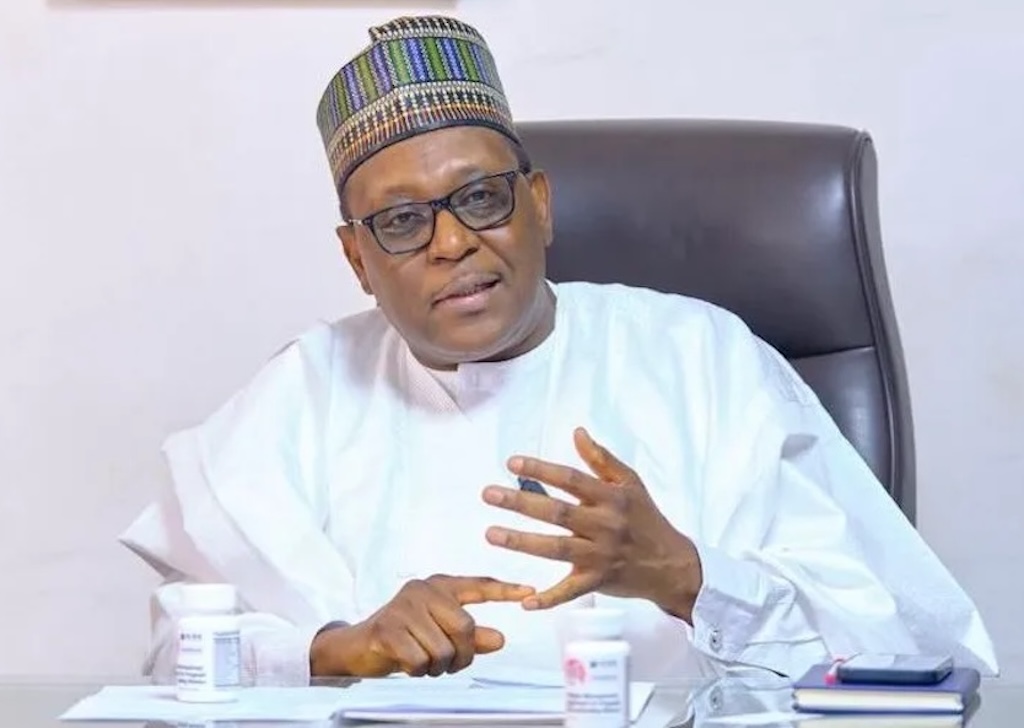


To improve governance, Mr Tinubu has set up the National Health Technology and Data Analytics Office. This office will lead the digital health agenda, unify public and private institutions, and oversee the rollout of the NDHA.
Mr Salako emphasized that building smart infrastructure should come before using Artificial Intelligence. He warned that AI cannot make up for broken data, poor standards, and systems that do not work together.
He said Africa should not just be a user of health technology. Instead, it should set standards, manage its data, and develop local skills.
"Our partners should work to strengthen national systems instead of creating separate ones. Every investment should help build stronger institutions and infrastructure that governments can maintain after a project or grant ends," he said.
He added that the goal of digital health should focus on people. For example, a pregnant woman should get safer care because the right health worker has the needed information at the right time. A child should not lose their vaccination history when moving, and health workers should have more time for patient care instead of filling out repetitive forms.
"Our aim should not just be to digitize healthcare but to create health systems that can learn, connect, anticipate, and respond," Mr Salako said.
He reaffirmed Nigeria’s promise to work with other African countries. He stressed that "if we get this right, Africa will not just be part of the digital health future; Africa will help shape it."




Drop your comment
No comments yet — be the first to drop the gist 👇