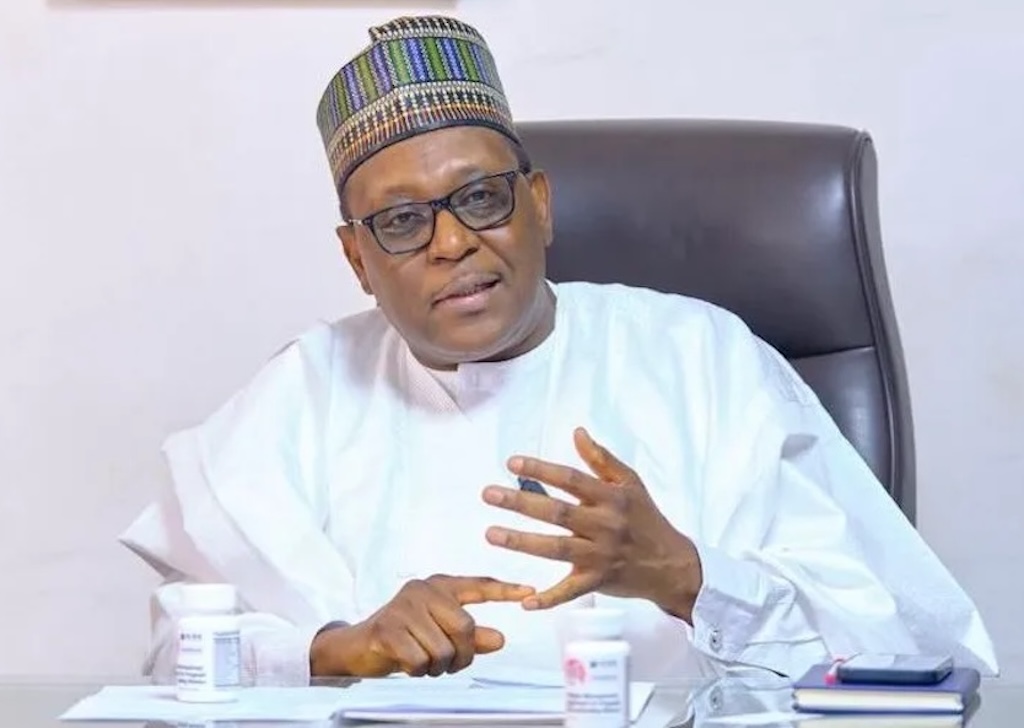
The federal government has announced plans to create Nigeria’s digital health system based on security, interoperability, and data control. They see this move as essential for bringing in artificial intelligence, big data, and other digital technologies into healthcare.
The Coordinating Minister of Health and Social Welfare, Muhammad Pate, shared this news on Tuesday during the Insights Learning Forum 2026. This event is eHealth Africa’s main digital health conference in Abuja.
Mr Pate was represented by Obi Adigwe, the first National Coordinator of the National Health Technology and Data Analytics Office (NHTDAO).
He pointed out that while digital health efforts are already happening in hospitals and labs, Nigeria needs to make sure these systems are set up within a unified framework. This framework should secure health information, allow systems to communicate well, and protect national data.
“Interventions are going on, but the key problem is that whatever is going on, three key principles must underpin engagement in the digital health space: security, interoperability and sovereignty,” he said.
He explained that these principles will guide the creation of health information exchanges, disease registries, and specific data centers. They will also shape how digital health efforts are rolled out across the country.
According to him, Nigeria’s digital transformation comes at a time when AI, the Internet of Things (IoT), and big data are being used more and more to enhance diagnosis, treatment, disease tracking, and patient monitoring worldwide.
But he emphasized that technology alone cannot make health systems stronger without proper governance.
Mr Pate said Nigeria needs to establish operational frameworks, policies, and regulations to manage the use of digital health technologies and AI.
He mentioned that while digital tools are helping people access specialist care and treatments around the globe, he wonders if there are enough rules in place to manage these efforts.
“Do we have existing frameworks, guidelines and regulations that tie all this together?” he asked.
Mr Pate also urged for increased funding in innovation centers across Nigeria to help young people create AI and machine learning solutions for healthcare.
He noted that many young Africans have great ideas but need the right environment to turn them into real solutions.
He stressed that Nigeria needs to improve the skills of its health workers. Doctors, nurses, and other health professionals must learn to use new technologies.
He said that interoperability standards and data sharing protocols must be prioritized to ensure health information systems work well together within facilities and across countries.
Mr Pate stated that Nigeria is ready to lead the way in digital health in Africa, just as it has become one of the top countries for financial technology.
He recalled that although East Africa was the first to lead Africa’s fintech growth, strong cooperation between the government and private sector helped Nigeria create many successful fintech companies.

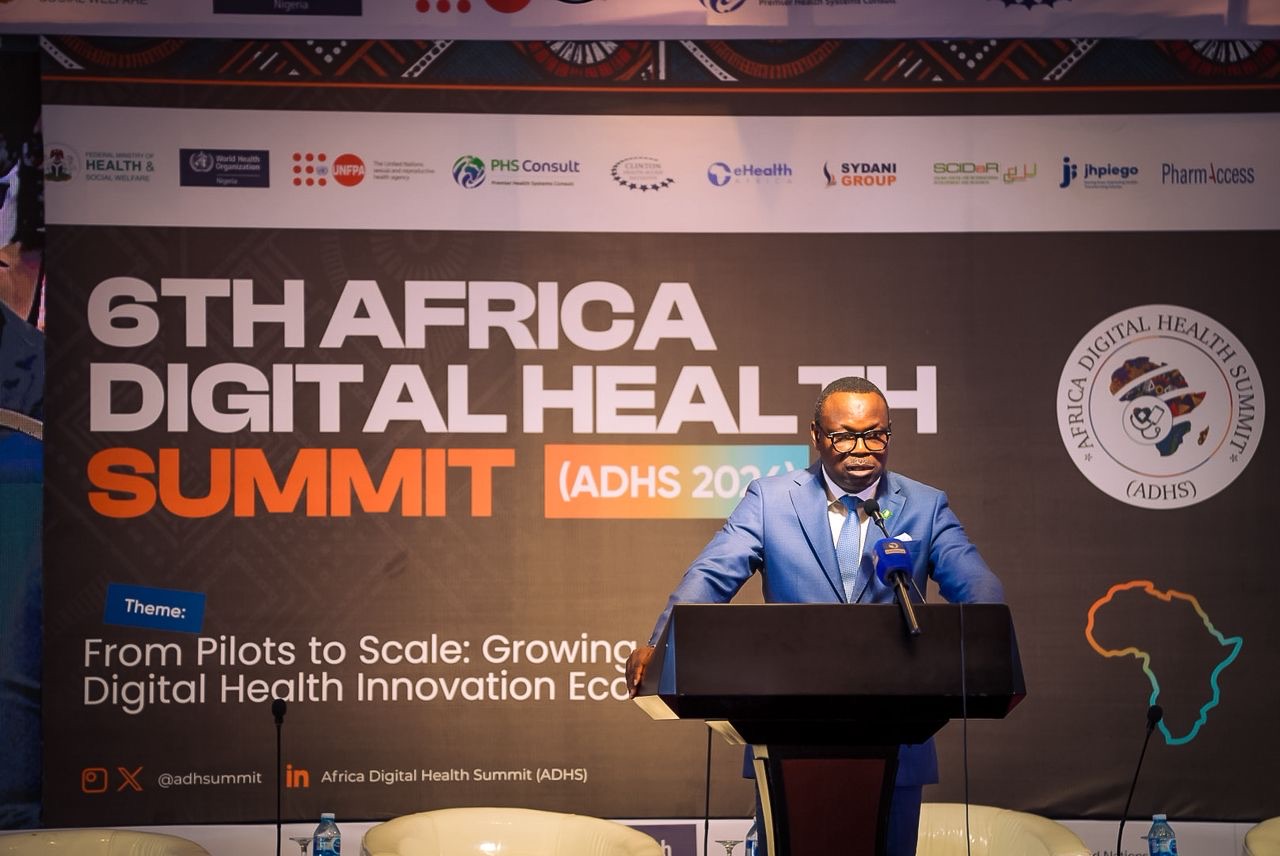
“We accept your challenge,” he said, responding to calls for Nigeria to take a bigger role in digital health innovation in Africa.
He added that technology is now one of the biggest drivers of economic growth, with tech companies often leading global market valuations.
He believes Africa must prepare to take advantage of this change by investing in digital innovation and building strong health systems.
Mr Pate said Nigeria’s digital health plan aims to solve local issues while also boosting cooperation with other African countries.
“We do not design interventions only for Nigeria. We design interventions that solve problems in Nigeria but also bring us closer to our brothers in all the other African countries,” he said.
He pointed out that health crises and environmental issues often cross borders, making cooperation across Africa necessary.
Mr Pate mentioned that Nigeria is already teaming up with international partners like the United States Office of the National Coordinator for Health Information Technology, Sweden’s eHealth Agency, Switzerland, and Kenya’s Health Information Exchange. They hope to learn from countries that have successfully connected their digital health systems.
He added that the government has started engaging with institutions in French-speaking and Portuguese-speaking African countries to promote compatibility and ensure digital health systems can work across different languages and areas.
According to him, building integration across Africa is key to Nigeria’s digital health vision.
Mr Pate called on the private sector, universities, innovators, and development partners to actively support Nigeria’s digital health plans.
He challenged investors and business owners to discover what incentives and policy changes are needed to speed up innovation, urging researchers to keep producing evidence to guide digital health policies.
Mr Pate also asked for more investment in local data systems, saying that data control will mean Nigeria should build local capacity instead of relying on foreign systems.
Talking to citizens, he said digital changes should ultimately create a healthcare experience similar to what many people enjoy in banking and hospitality.
He encouraged Africans to take advantage of digital technologies to enhance healthcare across the continent.
“As Africans, are we actually ready?” he asked. “What do you want to see in healthcare as a citizen, as a patient, as an African?”
Mr Pate said to create a secure, connected, and inclusive digital health system, everyone must work together. He mentioned that no single group can drive this change alone.




Drop your comment
No comments yet — be the first to drop the gist 👇