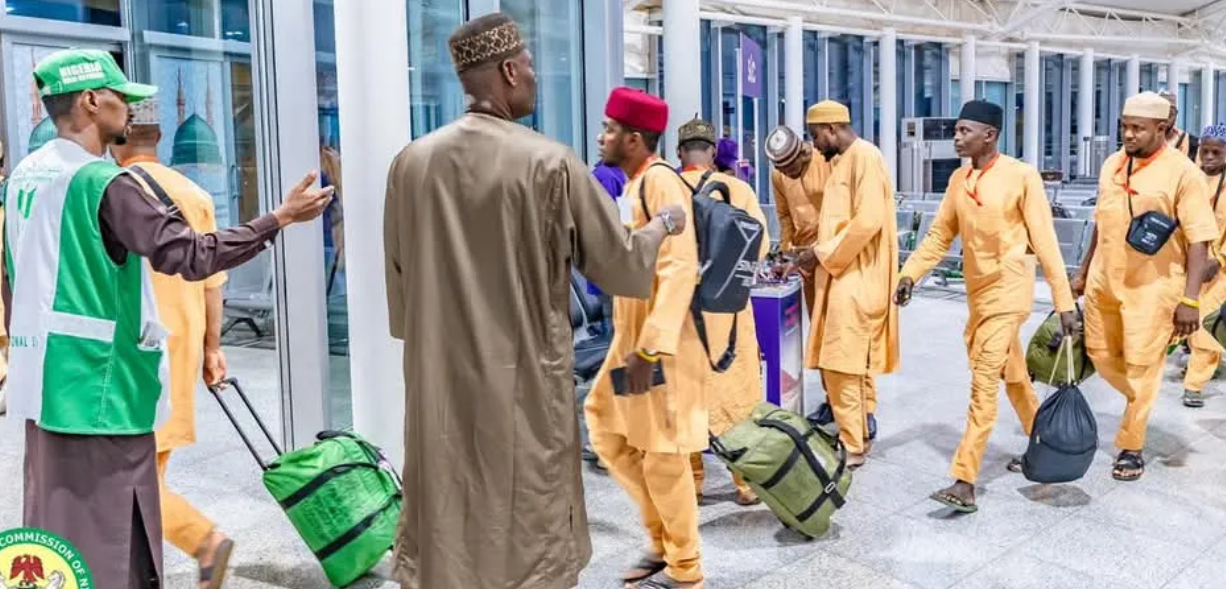
For many years, Nigeria sent large numbers of pilgrims to Saudi Arabia for the Hajj, the yearly Muslim pilgrimage.
But in just two Hajj cycles, the number of pilgrims dropped sharply. This leaves many people with the hard decision to delay a spiritual journey they have prepared for over the years.
The situation is not just about Saudi Arabia cutting Nigeria’s slots.
The drop from 95,000
Nigeria had 95,000 spots for the 2025 Hajj. By May 2025, only about 64,188 pilgrims had signed up, and fewer than 60,000 actually made it to Saudi Arabia through the government and licensed private tour companies. In 2026, the National Hajj Commission of Nigeria (NAHCON) managed to get around 52,000 spots, but still, fewer Nigerians traveled. Several reasons led to this. Many intending pilgrims registered and paid late. They faced issues completing payments and delays in sending funds. The Saudi visa portal also closed, causing more problems. Saudi Arabia then cut Nigeria’s Masha’ir spaces for 2026 to 66,910, but the operational quota dropped to 50,000. NAHCON warned pilgrims and state welfare boards to stick to registration and payment deadlines. Each time Nigeria did not use all its slots, it became a problem for future Hajj plans, as Saudi authorities cut the number of Mashair spaces for the next cycle. Some Nigerians registered and paid for the 2025 Hajj, yet could not travel, especially those affected by the visa portal closure. NAHCON noted that 2,717 late-registration pilgrims were impacted, despite efforts to get more extensions. The Commission then started reconciling and refunding affected pilgrims. By September 2025, NAHCON said it had processed refunds for 19 states that requested reconciliation. This situation showed how crucial it is to complete registration, payment, biometric, and visa processes on time, as set by Nigeria and Saudi Arabia.New NAHCON leadership
With Isma’il Abba-Yusuf taking over as the new NAHCON Chairman, the Commission made early preparation a key focus. It urged intending pilgrims to register and pay early and called on state welfare boards to boost awareness campaigns. NAHCON also emphasized the need for pilgrims and state authorities to understand and follow new Saudi regulations, especially as the Hajj process becomes more focused on technology. This push for early registration and compliance was clear before the 2027 Hajj. Nigeria then secured an extra 10,000 slots, raising its total from 50,000 to 60,000 pilgrims. This change came after ongoing talks between NAHCON and Saudi authorities and gives more room for Nigerian pilgrims. It also means NAHCON and state authorities must ensure all available spots are used.From Arabi to Usman, then Yusuf
The difference with the 2024 Hajj under Jalal Arabi is clear. During Mr Arabi’s time, NAHCON finished visa processing and other tasks ahead of the airlift and moved Nigerian pilgrims smoothly through the Hajj. But his time ended amid an EFCC investigation into alleged misuse of the N90 billion 2024 Hajj intervention fund from the federal government. President Bola Tinubu later removed Mr Arabi. Abdullahi Usman, a professor, took over but faced internal disputes and issues. He resigned in February 2026 during the crisis. Ismail Yusuf, a former diplomat, then stepped in, facing a commission needing internal restructuring and a changing Saudi Hajj management system.The pilgrims’ frustration
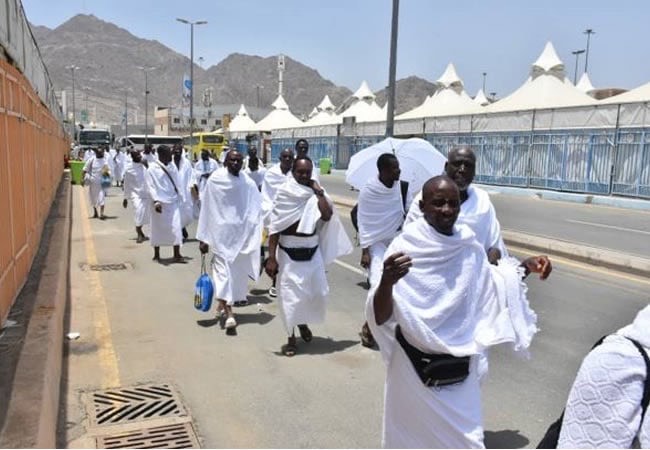
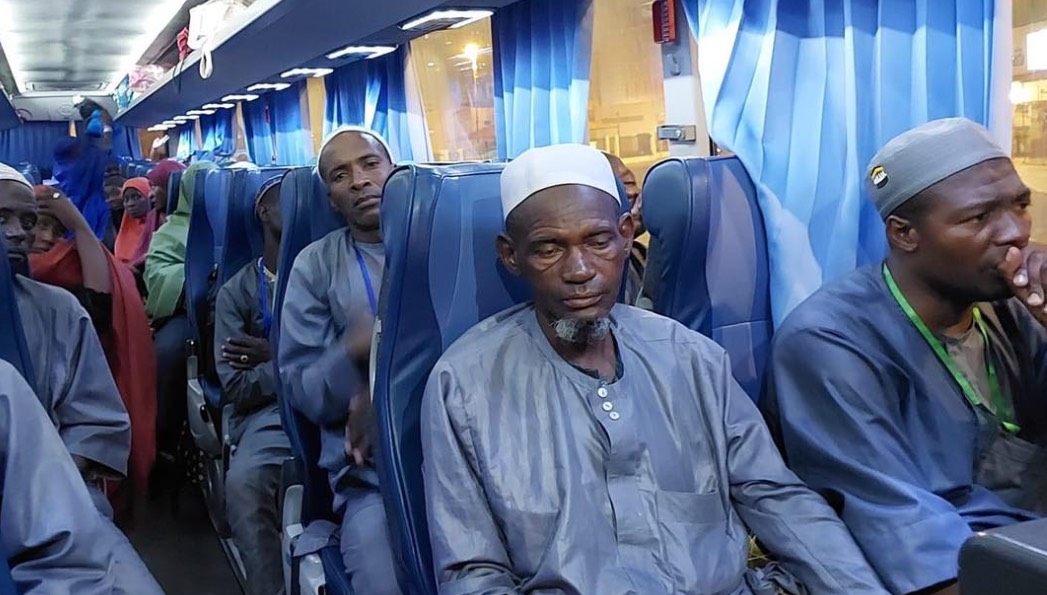
When PREMIUM TIMES talked to some Nigerians, they shared similar worries across the country.
Hassan Mohammed from Kaduna said Nigeria should have done more to make sure it used its traditional allocation fully.
“The painful part is that we had the opportunity to use the seats. We should not have allowed thousands of allocations to go unused,” he said.
Almustapha Ahmed from Sokoto said the cut would hurt families who saved for years for Hajj.
“Hajj is not something people decide to do overnight. Families save for years. When the allocation disappears, ordinary Nigerians bear the consequences.”
Rafiu AbdulRauf from Oyo State asked if NAHCON and state authorities acted quickly enough when problems appeared.
“NAHCON and the states should have anticipated that Saudi Arabia would look at utilisation. The warning signs were already there.”
Garba Mukhtar from Yobe State said Nigeria must improve its preparation.
“We cannot continue with late registration, late payments and administrative bottlenecks and then expect Saudi Arabia to keep reserving spaces for us.”
AbdulWahab Isiaka in Lagos raised concerns about the growing political influence around Hajj administration.
“The political interest surrounding Hajj must not become more important than the pilgrim. The person paying for Hajj should be at the centre of every decision,” Mr Isiaka said.
But the worries go beyond the reduction.
Nigerians also want more transparency on how slots are shared, how pilgrims are chosen, and how private operators are managed.


Drop your comment
No comments yet — be the first to drop the gist 👇