
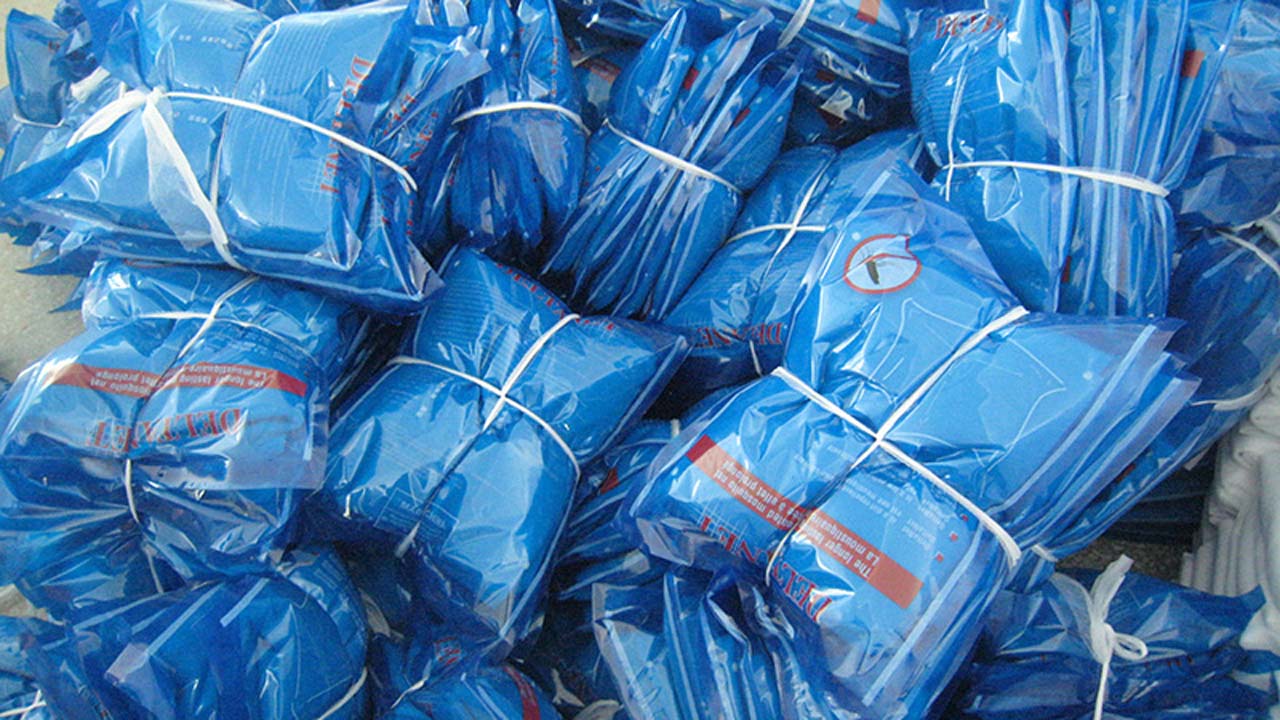
Nigeria has started making insecticide-treated mosquito nets. This is part of the plan to improve malaria prevention and rely less on imported health products.
The new factory, Health Textiles Nigeria FZE, is the first in Nigeria to produce dual-active ingredient insecticide-treated nets. This was announced by the Federal Ministry of Health and Social Welfare.
The ministry shared the news in a press release on its X account on Thursday. The release was signed by Ado Bako, the Assistant Director of Information and Public Relations.
The factory is owned by Vestergaard Sarl. It will produce "PermaNet® Dual," a mosquito net that aims to tackle insecticide resistance. The World Health Organisation (WHO) prequalified this net in 2023.
At full capacity, the factory is expected to make about 10 million nets each year and create over 600 jobs.
This news comes as Nigeria continues to deal with a large share of the global malaria problem. WHO estimates show that in 2024, there were 282 million malaria cases and 610,000 deaths worldwide. The African Region had about 95 percent of these cases and deaths.
Nigeria made up 31.9 percent of malaria deaths in Africa in 2024, according to WHO. Malaria spreads through bites from infected female Anopheles mosquitoes. It can be prevented and treated. WHO points out that insecticide-treated mosquito nets are key tools for preventing bites and lowering malaria spread.
The ministry said this new factory will boost Nigeria's ability to make important malaria prevention products locally. It will also help with the growing issues of insecticide resistance.
Muhammad Pate, the Coordinating Minister of Health and Social Welfare, said the investment fits with the Nigeria Health Sector Renewal Investment Initiative (NHSRII). This initiative focuses on improving Nigeria’s healthcare system through investment and local production.
"This investment shows what can happen when government policy, private-sector investment, and technology come together to improve Nigeria’s healthcare system," Mr Pate said.
He added that starting local production would help Nigeria make essential health products. This will also lead to a stronger health system.
So far, about 80 employees have been hired and are in training. They are learning about manufacturing, product quality, health and safety, and following regulations.
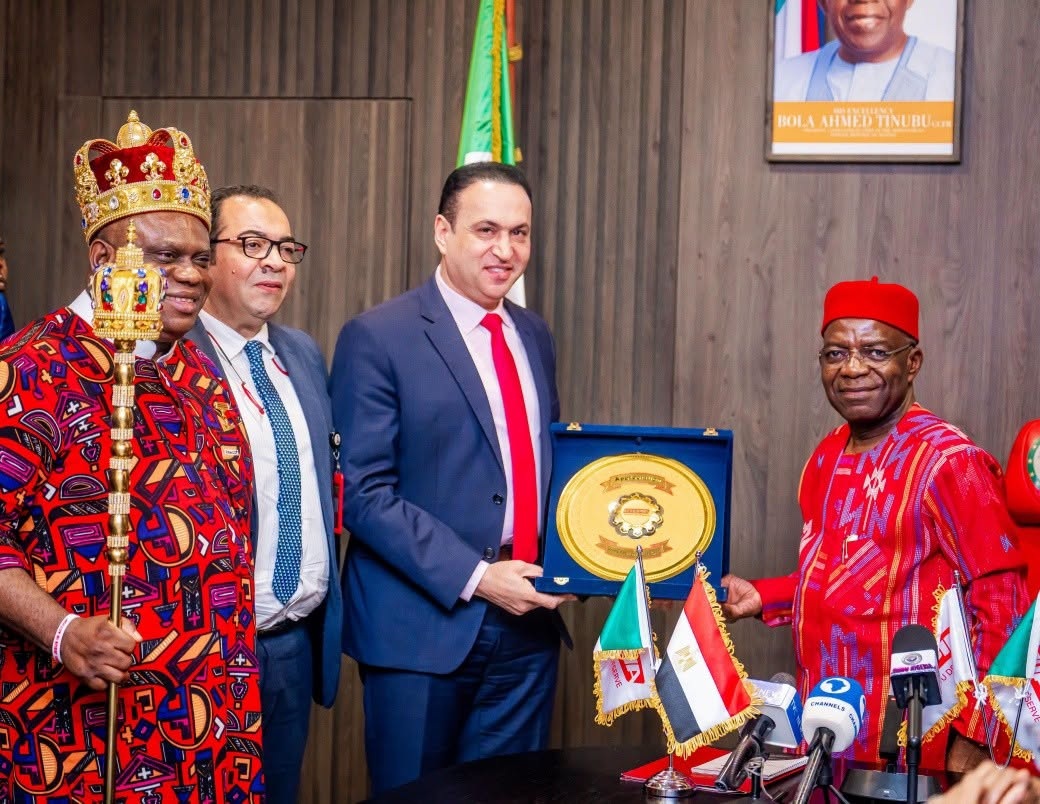
The ministry noted that this factory is a result of a Memorandum of Understanding signed in 2024 between Vestergaard and the Presidential Initiative for Unlocking the Healthcare Value Chain (PVAC). This agreement aims to build local production capacity for essential health products.
Abdu Mukhtar, the National Coordinator of PVAC, said this project shows how investment, technology, and government policy can lead to skill development and increased production.
He believes the training of Nigerian workers and starting production is the kind of success the initiative wants to achieve in other parts of the healthcare system.
Vestergaard’s CEO, Amar Ali, expressed happiness about starting production in Nigeria. He thanked the federal government for its support.
Mr Ali said the factory will blend Vestergaard’s manufacturing skills with “Nigerian talent to make dual-active ingredient insecticide-treated nets locally.”
The ministry expects the first commercial orders from this factory to be ready in the coming months. Domestic production will help Nigeria make a key malaria prevention product and strengthen its healthcare system.


Drop your comment
No comments yet — be the first to drop the gist 👇