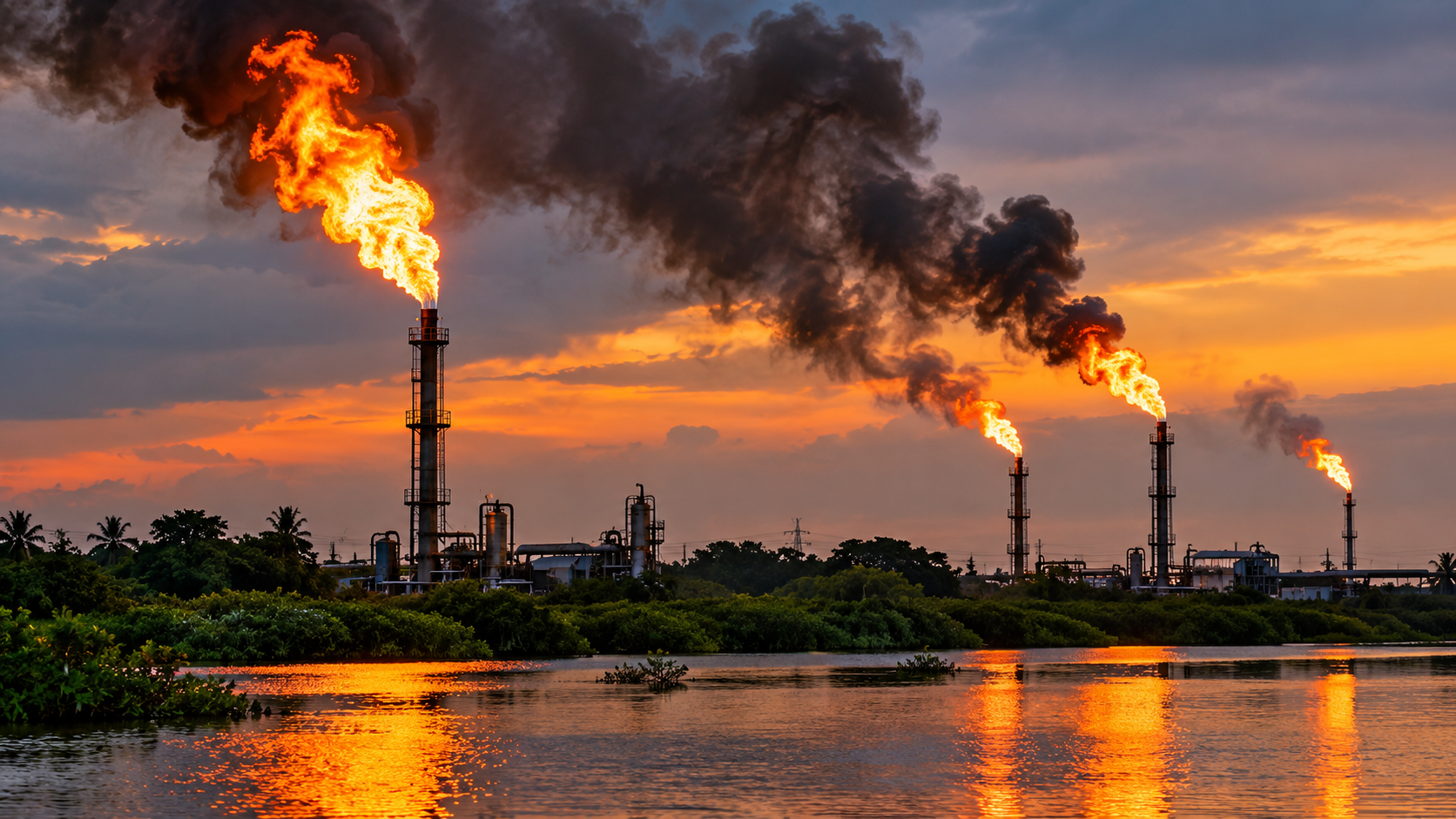
The Nigerian Upstream Petroleum Regulatory Commission (NUPRC) has reaffirmed Nigeria’s goal to stop routine gas flaring by 2030. This commitment is under scrutiny because of ongoing flaring at oil sites and issues with regulation and emissions monitoring, as reported by PREMIUM TIMES.
The Chief Executive of the commission, Oritsemeyiwa Eyesan, stated that the country is working on tougher penalties and finding ways to use gas that is currently being wasted at oil production sites.
According to a report by the News Agency of Nigeria, Ms Eyesan spoke on Wednesday at the Emogas International Natural Gas-Based Industry Conference and Exhibition (EINGICE) 2026 in Abuja. She was represented by Janice Anyanwu, the commission’s deputy director of gas utilisation.
She mentioned that gas flaring, which used to make up about 90 percent of production, has dropped to around seven percent. Still, about 500 million standard cubic feet of gas is flared every day.
Despite the pledge, there are concerns about whether Nigeria’s rules are being enforced properly. There are also worries about whether the available data can prove that progress is being made to stop routine flaring.
A PREMIUM TIMES investigation found significant problems in how the Petroleum Industry Act (PIA) is being implemented. The regulations about gas flaring, venting, and methane emissions have not been properly enforced.
The investigation revealed that delays, weak enforcement, and issues with measuring methane have hindered efforts to reduce emissions. This is happening nearly five years after the PIA was enacted in August 2021.
The report also noted that the commission has not shared some important information required under its own regulations. This includes complete data on gas venting, which releases methane directly into the air instead of burning it.
In an April 2026 directive reviewed by PREMIUM TIMES, the commission recognized that it lacks the technical capacity and has gaps in measuring, reporting, and verifying methane emissions. The regulator later instructed oil and gas companies to enhance their emissions reporting, moving towards more accurate monitoring systems.
At the conference, Ms Eyesan linked the decrease in gas flaring to stricter penalties and initiatives to create commercial uses for gas that would otherwise go to waste. She said the NUPRC started the Nigerian Gas Flare Commercialisation Programme in 2021 and auctioned 42 flare sites to private investors.
These projects include mini-liquefied natural gas (LNG) plants and facilities for producing liquefied petroleum gas (LPG). Under the PIA, the gas-flaring penalty is set at $2 for every thousand standard cubic feet, with extra penalties for companies that go over approved limits.
The law also gives a framework for capturing and selling flare gas instead of letting it go to waste. But PREMIUM TIMES found that many companies are still flaring gas despite their legal duty to cut emissions.
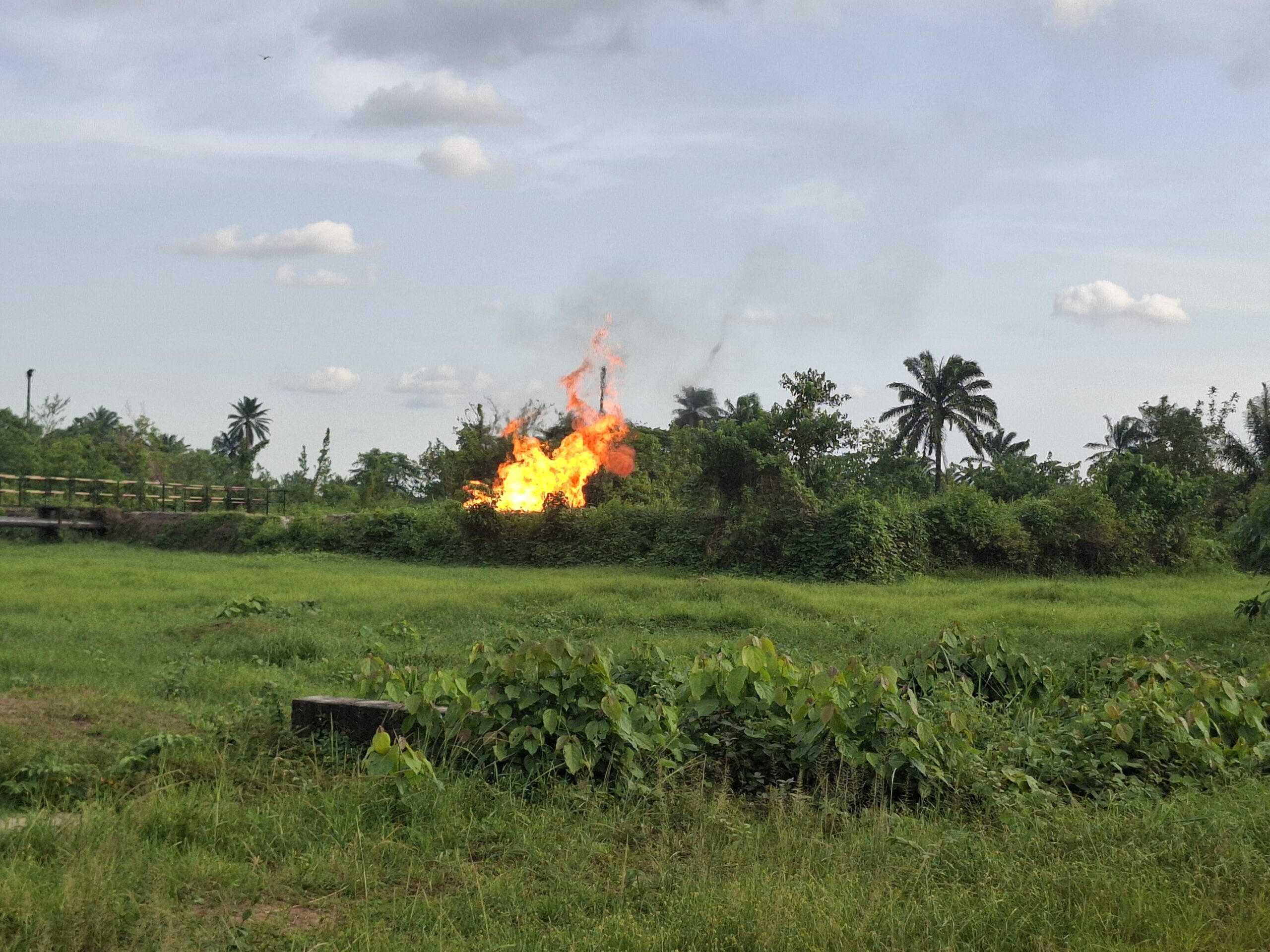
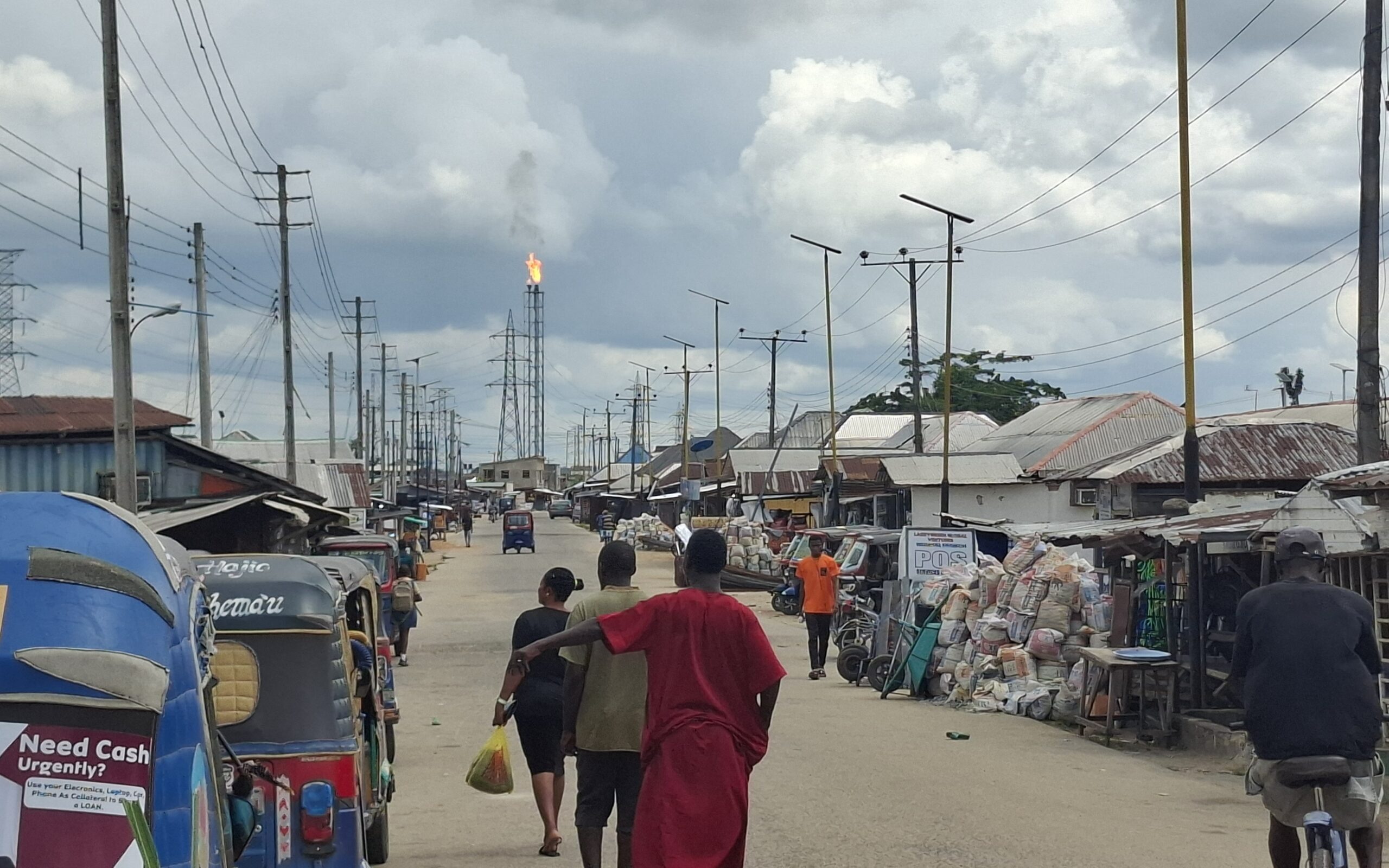
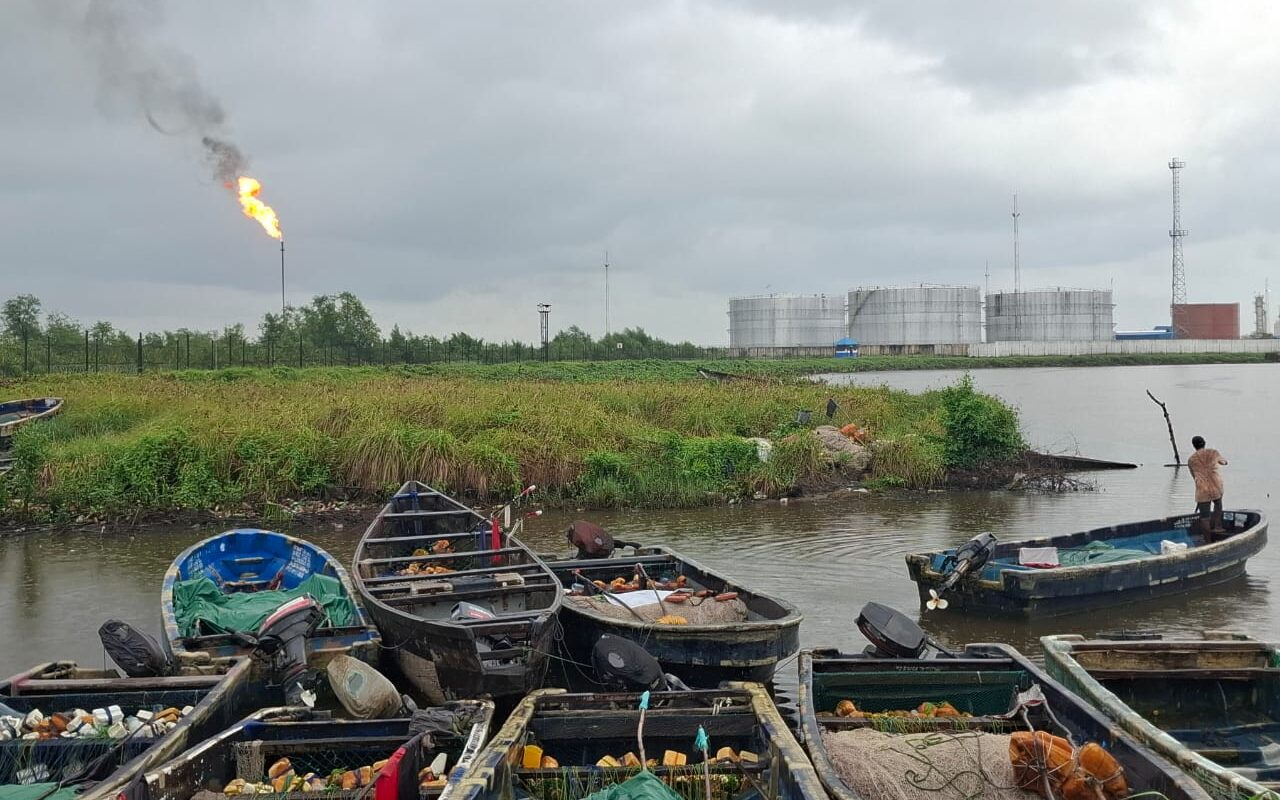
The investigation showed that flare volumes actually increased at some oil sites after the new 2023 gas-flaring and methane rules came into effect. There were also compliance issues where operators claimed they had not faced penalties for missing reporting or other requirements.
In October, PREMIUM TIMES reported that the commission gave permits for flare-gas commercialisation to 28 companies in December 2025, more than four years after the PIA became law. The commission's warning to revoke permits from investors who do not show significant progress in using flare gas highlights the challenge of turning the program into real reductions.
This latest pledge raises concerns about how quickly the remaining flare sites will be effectively commercialised and how the regulator will show that the resulting projects are actually cutting emissions.
Ms Eyesan stated that Nigeria has proven gas reserves of 215.19 trillion cubic feet as of January 1, giving the country an estimated reserve life of 85 years. She noted that Nigeria produced an average of 7.42 billion standard cubic feet of gas daily in 2025, with about 92.4 percent being used.
She attributed interest from investors to reforms like Executive Order 40 of 2024. She mentioned the Ubeta, HI, and Ima gas projects, which together can produce about one billion cubic feet daily.
The commission is also developing a gas-swap framework and has started a licensing round offering 40 blocks to attract more investments, she said. Despite the country’s large gas reserves, problems like poor infrastructure, high investment costs, and low gas volumes at some flare sites make it hard to end routine flaring.
Ainojie Irune, managing director of Oando Energy Resources Nigeria Ltd., said Africa needs to focus less on celebrating its gas reserves and more on providing reliable supplies and turning resources into economic value. He said Africa’s gas industry will need about $1 trillion in investment by 2050.
He pointed out that Nigeria’s gas development is still held back by inadequate infrastructure, uncertain payment systems, and delays in making business decisions. He added that over 55 trillion cubic feet of discovered Nigerian gas is either undeveloped or waiting for commercial use.
Mr Irune called for systems that integrate gas into the market, reliable supply contracts, good infrastructure, and stable regulatory policies. He said that success should be measured by how much gas is delivered and how much investment happens, not just by reserves found or projects announced.
The conference, EINGICE 2026, brought together leaders from the energy sector, policymakers, investors, regulators, and tech innovators to discuss boosting Africa’s LNG trade and speeding up gas-based industrialisation.



Drop your comment
No comments yet — be the first to drop the gist 👇