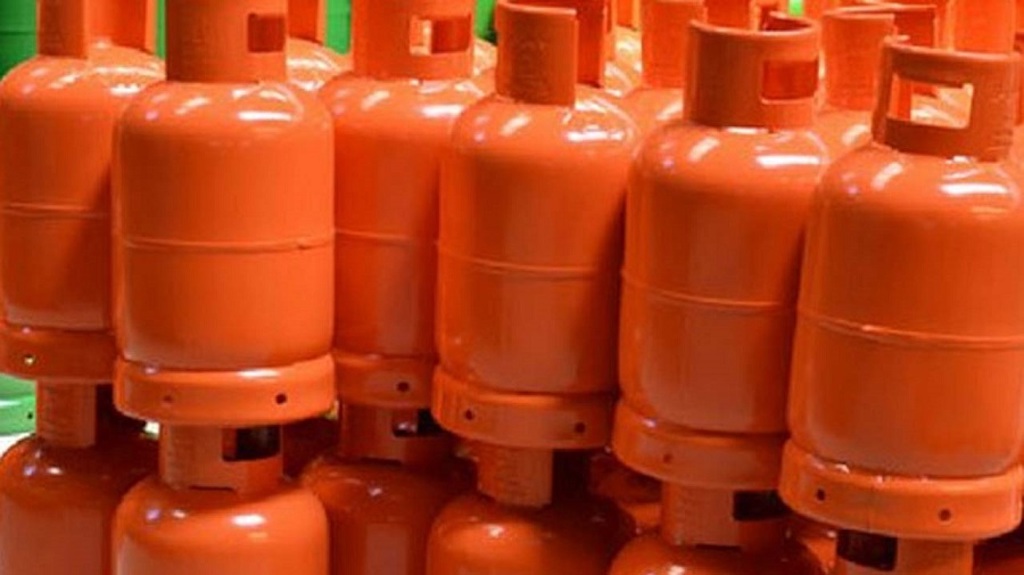
The federal government has announced new plans to deal with the recent rise in Liquefied Petroleum Gas (LPG) prices and to boost supply across the country.
In a statement released on Monday, the Nigerian Midstream and Downstream Petroleum Regulatory Authority (NMDPRA) said the Federal Ministry of Petroleum Resources shared these plans during an emergency meeting with stakeholders to tackle issues affecting gas supply and costs.
“The Federal Ministry of Petroleum Resources has gathered stakeholders to address the recent rise in Liquefied Petroleum Gas (LPG) prices and to create coordinated plans to improve supply, affordability and market stability across the country,” the statement noted.
The NMDPRA mentioned that the meeting included important government officials, regulators, producers, marketers, terminal operators and industry groups. They discussed what is causing the rise in LPG prices and agreed on practical steps to strengthen the industry.
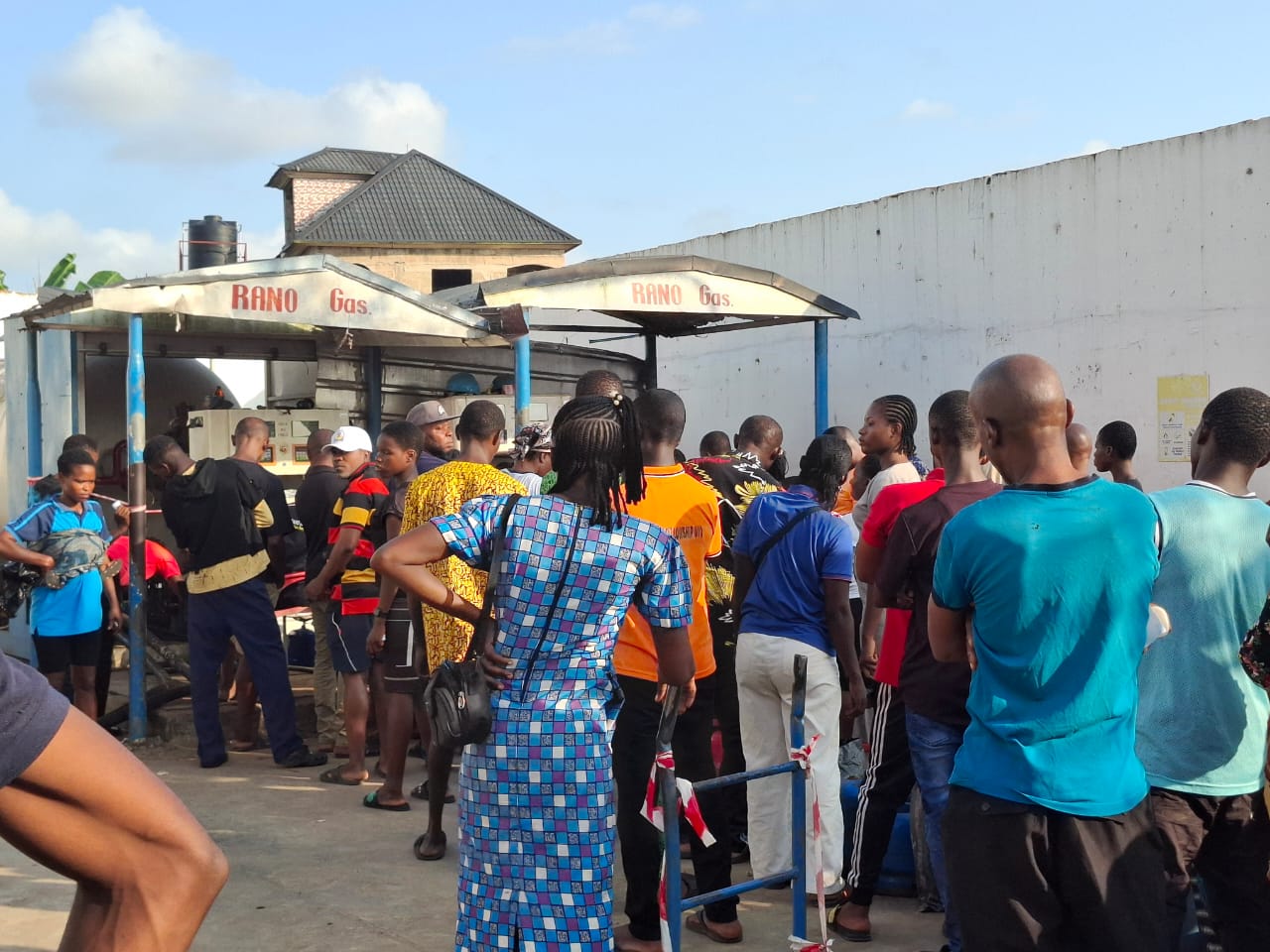
This meeting comes as cooking gas prices have sharply increased nationwide. Last month, LPG prices reached around N2,000 per kilogram in Lagos and over N1,600 per kilogram in parts of Abuja. This is a jump from about N1,200 per kilogram in the weeks before.
Marketers are worried that supply shortages and rising costs are worsening the cost of living in the country.
During the meeting, Patience Oyekunle, the Permanent Secretary of the Ministry of Petroleum Resources, emphasized that LPG is a vital energy source for Nigerian homes and a key part of the country’s energy transition plan.
She stated that the rise in LPG prices is putting more strain on household budgets and raising the cost of basic goods and services. This points to the need for a united effort to make cooking gas affordable.
The Minister of State for Petroleum Resources (Gas), Ekperikpe Ekpo, mentioned that President Bola Tinubu is worried about how rising LPG prices are affecting Nigerians. He has told relevant agencies to take quick actions to solve the problem.
Mr Ekpo stressed that efforts to boost supply must be backed by better logistics, improved infrastructure and clear pricing to ensure consumers benefit from these actions.
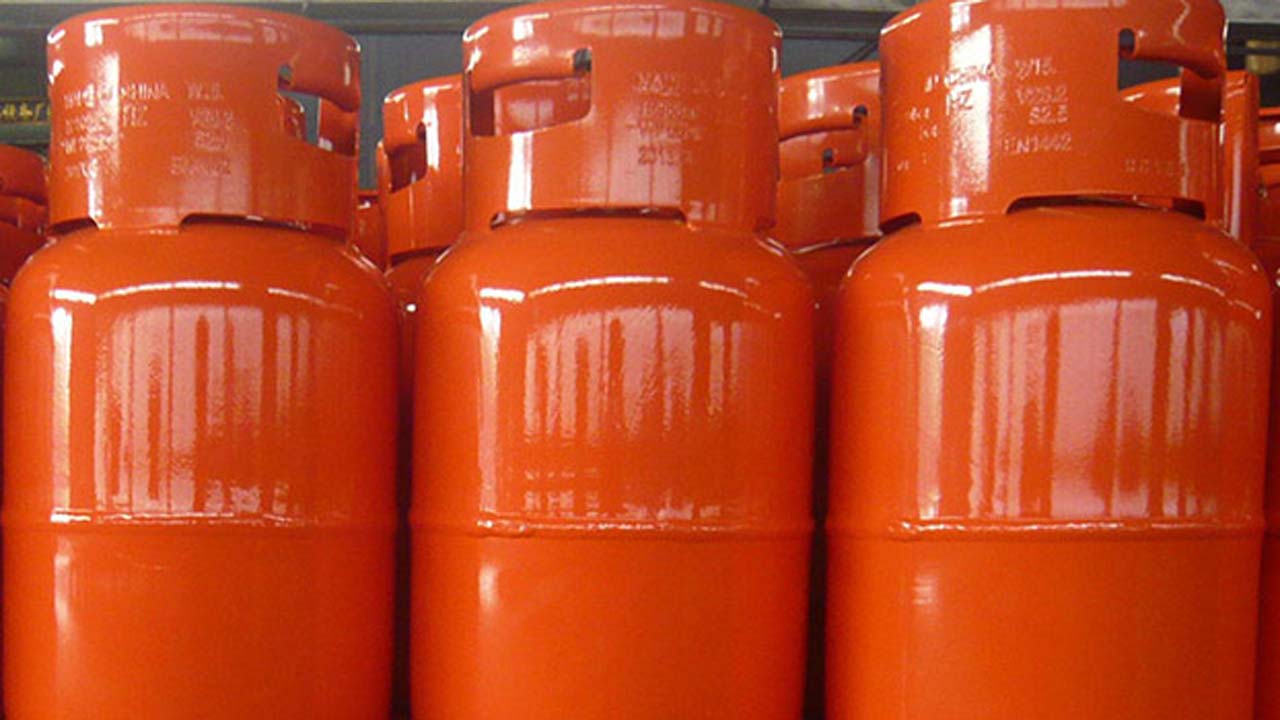
Rabiu Umar, the Chief Executive of the NMDPRA, pointed out that high costs of importation are still affecting LPG prices. He is hopeful that the current actions across the industry will help ease market pressures soon.
He added that the authority is collaborating with producers and other stakeholders to increase local supply, strengthen market oversight and ensure better availability of products.
In a presentation by Ogbugo Ukoha, the Executive Director of Distribution Systems, Storage and Retailing Infrastructure (DSSRI), the NMDPRA listed several issues affecting LPG prices. These include gaps in infrastructure, local supply limits, logistics problems, market distortions and global supply disruptions.
The authority also reported some positive changes after recent talks with producers, suppliers and terminal operators.
According to the presentation, the national LPG supply sufficiency rose from 11 days to 22 days. The average daily supply increased from 4,262 metric tonnes in May 2026 to 5,040 metric tonnes in June 2026.
Stakeholders in the LPG sector expressed their support for the government’s efforts while also mentioning issues related to storage, transport, distribution and overall market efficiency.
The meeting resulted in measures such as closer market monitoring, stricter actions against wrong practices, expanding storage and distribution systems, boosting local production, improving tracking systems for products, better access to market information and more cooperation among industry players.
In his closing remarks, Mr Ekpo instructed stakeholders to act quickly to improve supply, remove inefficiencies and protect consumers.
He said the success of these efforts would be seen in more LPG availability, better distribution efficiency and lower price pressures across the country.



Drop your comment
No comments yet — be the first to drop the gist 👇