Xenophobic attacks and migration issues are still affecting the relationship between Nigeria and South Africa, even though the two countries have good diplomatic ties.
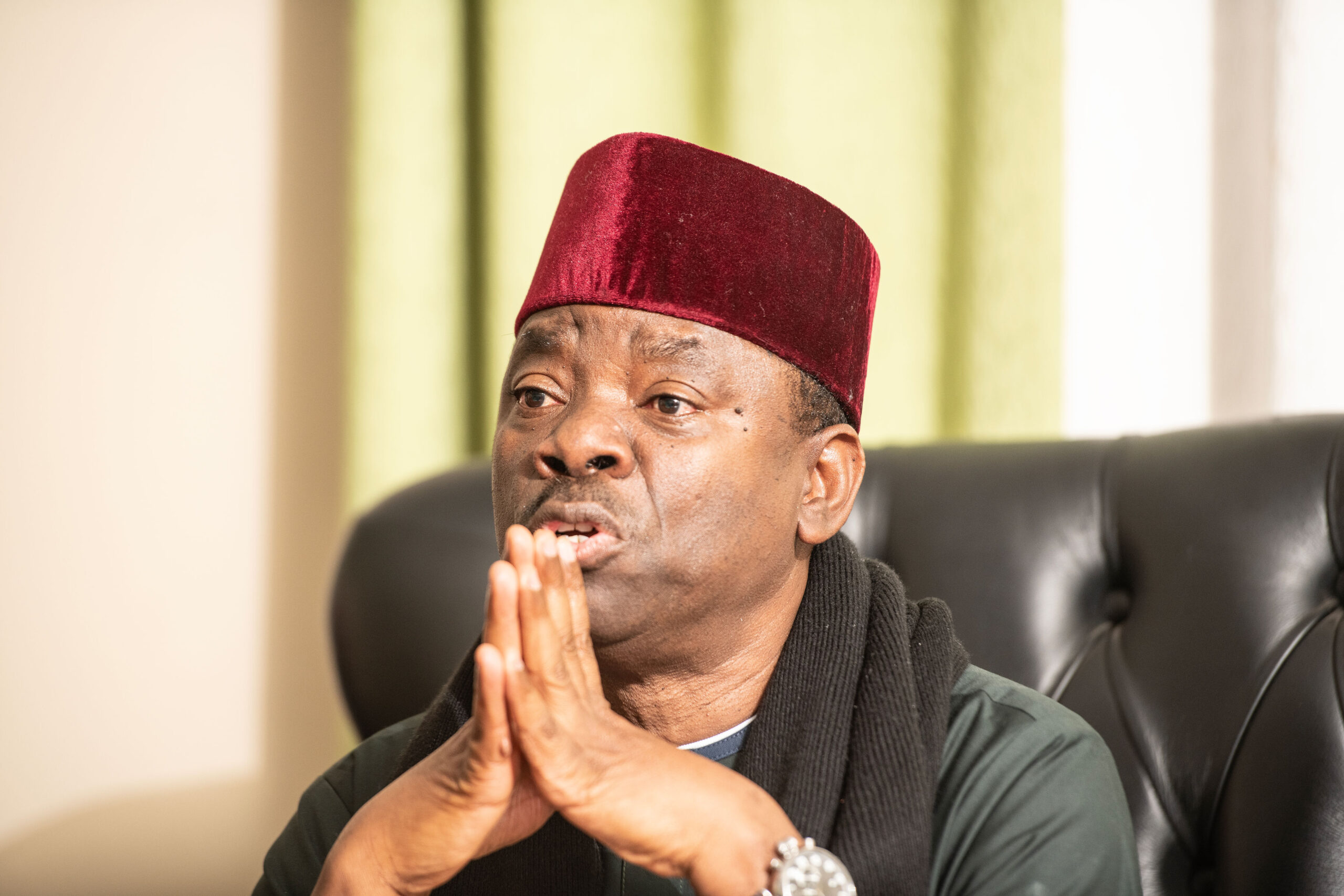
During a recent visit to the Nigerian High Commission in Pretoria, we spoke with Nigeria’s Acting High Commissioner, Temitope Ajayi. We discussed the current state of relations, xenophobic attacks, repatriation, migration, security, and efforts to improve connections between the people of both countries.
Current Situation
PREMIUM TIMES: South Africa has seen many anti-immigrant protests this year. How do you see this affecting Nigerians?
Temitope Ajayi: This year has been tough. The protest on 30 March led to a lot of property damage. After that, protests continued into April with many groups organizing demonstrations across South Africa.
We have seen no fewer than 10 different incidents related to these protests this year.
I don’t want to connect unrelated events. Some extrajudicial killings I mentioned were not directly linked to the protests but were due to encounters with security forces. Sometimes, security officers raid homes based on claims of drug activity, which can lead to sudden deaths. They often say the person had a heart attack, but we know that is not the whole story.
Many attacks happen outside the capital in remote areas where Nigerians live. There, they are at risk because security forces cannot respond quickly enough. That is where many incidents have happened this year.
PREMIUM TIMES: Are you happy with how the South African government has responded to these attacks?
Temitope Ajayi: I can’t say we are satisfied with the response.
When violent acts happen, we expect the authorities to investigate and hold those responsible accountable. But that has not happened.
For a long time, there were no arrests. Instead, we got statements about talks and meetings. Those are necessary, but they don’t replace accountability.
We believe the South African government has the ability and resources to deal with these issues decisively if it wants to.
PREMIUM TIMES: What message do you have for Nigerians back home, especially regarding calls for retaliation against South African businesses in Nigeria?
Temitope Ajayi: The Nigerian government has been clear from the start: there should be no retaliatory attacks on South African businesses in Nigeria.
Our security agencies have acted quickly whenever tensions rise because the President has said no one should take the law into their own hands.
Nigeria has shown great restraint, which shows maturity. This is the message we continue to share because it shows we are civil in our responses.
We have more Nigerians in South Africa than South Africans in Nigeria. South Africa’s presence in Nigeria is mostly business investments.
If there were reprisals, they would likely hurt businesses rather than individuals, and that is not the direction we want to take.
We should focus on reducing tensions, not increasing them.
PREMIUM TIMES: Are there specific areas where Nigerians should be careful?
Temitope Ajayi: Yes, there are known hotspots. In Pretoria, Sunnyside is one such area. There is nothing “sunny” about it during these incidents.
Johannesburg also has areas where Nigerians are targeted during unrest.
When we hear credible warnings about potential violence, we advise Nigerians to close their shops, stay indoors, and avoid unnecessary risks.
Those areas are where attacks are most likely to happen because many foreigners live and work there.
Diplomatic areas have heavy security, so things seem calm there. But it is a different story in communities where foreigners reside.
Repatriation Efforts
PREMIUM TIMES: You have called for more support for Nigerians wishing to return home from South Africa. What has the government done?
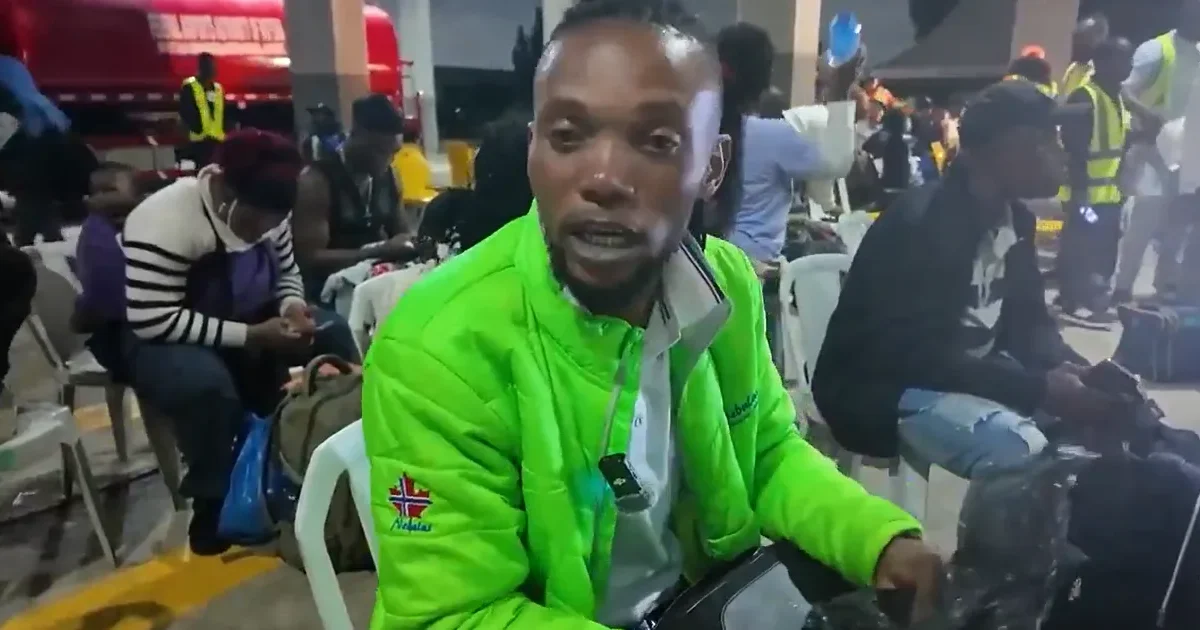
Temitope Ajayi: The Federal Government has organized five repatriation flights. These were charter flights sponsored by the government.
Each flight brought back over 200 Nigerians. It was voluntary, so some people who showed interest decided not to travel.
Besides these flights, some groups and individuals bought one-way tickets for those wanting to return. These were separate from the government-sponsored flights.
The government has funded five charter flights to bring Nigerians back home.
We are now encouraging private individuals and groups to help so more Nigerians who want to return can do so.
PREMIUM TIMES: Did most of those who returned not have proper documents?
Temitope Ajayi: Let me clarify that. The five Air Peace charter flights brought back over 1,490 Nigerians.
Additionally, some organizations sponsored tickets for others. The Nigerian Lawyers Association in South Africa bought tickets for 29 Nigerians. Another group sponsored 85 Nigerians to return, while 63 returned the following week.
Even now, there are individuals buying tickets for those wanting to return. We have also accommodated about 15 Nigerians here.
Overall, about 1,600 Nigerians have returned through government and private efforts.
It’s important to note that not everyone who returned was undocumented.
Many entered South Africa legally but became undocumented due to delays in the immigration system. Some submitted their documents and waited for years without getting their residence permits.
So, when people say they are undocumented immigrants, we need to understand the context. Some did not enter illegally but became undocumented due to system failures. That distinction matters.
Support for Returnees
PREMIUM TIMES: Some who returned left behind businesses and property. Is there any support to help them start over?
Temitope Ajayi: Yes, there have been various support efforts.
The Imo State Government provided ₦1 million to each returning indigene to help them restart. A pastor also gave ₦100,000 to each returnee at that time.
MTN also provided support. Recently, the Delta State Government gave ₦2 million to each returning Delta indigene and promised allowances to assist their reintegration.
NEMA and other agencies have gathered data on the returnees for support.
Many of these Nigerians had lived in South Africa for years. Some still had money.
When we took some to the airport, we told them they couldn’t use the South African rand back home. Some gave us their rand because they couldn’t take it with them. So, some returned with cash.
But many lost almost everything.
They left their businesses, cars, houses, and shops. Some fled to save their lives.
That is why we believe Nigerians deserve compensation for their losses here.
Some people took over shops, throwing out goods as if they belonged to them.
When people called for Nigeria to pay compensation, we viewed it as avoiding the need to compensate Nigerians for their losses.
Concerns About Security Personnel

PREMIUM TIMES: There are worries about alleged abuses by South African security personnel.
Temitope Ajayi: To be fair, South African police don’t just stop people randomly. They usually act on tips.
But there is a stereotype that Nigerians are involved in drugs. When they get information about drugs, they respond.
Another issue is that sometimes Nigerians give information about each other. Corruption exists in the security system too.
If you have lived in South Africa for 10 or 15 years, have your documents, and stayed out of trouble, you should be fine.
But if you are on the wrong side of the law, or during heightened security checks, there will be concerns.
That’s why we always advise Nigerians to regularize their status and ensure they have proper documentation.
PREMIUM TIMES: There have also been complaints about visa delays or rejections despite holding valid South African visas. What do you think?
Temitope Ajayi: There are challenges.
The South African mission may issue a visa, but when you arrive at OR Tambo International Airport, immigration officials sometimes reject it for not having the required control number from Home Affairs.
There seems to be a problem between the South African missions issuing visas and the Home Affairs authorities who authenticate them.
We have raised this issue repeatedly because it does not help our relations.
At the same time, visa issuance is the responsibility of South Africa. It is not something the Nigerian High Commission controls.
Our role is to keep engaging through existing bilateral channels to improve the process and address concerns.
PREMIUM TIMES: South Africa says migration is at the heart of many tensions, while many Nigerians talk about the country’s “Japa” trend. What do you think?
Temitope Ajayi: This is about migration. Every country faces migration challenges.
Someone mentioned the Japa syndrome in Nigeria, noting many Nigerians are leaving. But migration is a global issue.
Did you know that between January and September this year, over 10,000 asylum applications from South Africans were processed in the United States? South Africans are also migrating.
So, it’s not just about Nigeria. South Africa has social and economic issues driving migration.
We are open to discussing migration because it is a common issue.
There was a time at the UN when countries recognized that migration is something every country must deal with.
Yes, Nigeria has challenges, but there are also innovators and entrepreneurs creating opportunities on their own.
Migration will continue, and it cannot be completely stopped.
Nigeria has close to 230 million people, while South Africa has about 50 million. The situations are different.
South Africa has done well in developing many local communities. When you travel outside major cities, you still see infrastructure and growth.
Nigeria needs to improve governance and institutions, especially at the local level, to create opportunities where people live.
Many Nigerians think everything is at the center. We need to build opportunities across the country.
Even then, migration will remain part of human society.
Improving Relations
PREMIUM TIMES: Politically, Nigeria and South Africa have good relations. How can that help people-to-people connections?
Temitope Ajayi: Relations between states are dynamic. When tensions rise, leaders try to react without escalating the situation because many interests are involved, like investments and cooperation.
Even in June, during the height of the crisis, the University of Pretoria reached out to conduct admission exercises in Nigeria. Each year, the number of Nigerian applicants is higher than applicants from many countries, even Germany.
This shows that maintaining political relations is vital to keep other aspects from suffering.
The next step is ensuring this political goodwill reaches the people. This needs collaboration between Nigeria and South Africa to raise awareness and deepen dialogue because we know there have been issues on both sides.
After recent events, I spoke with South Africa’s Deputy Minister of International Relations. We agreed both countries should start cultural exchanges because people understand cultures better when they meet.
Nigerians tend to travel to South Africa more than the other way around. It is not that Nigerians travel more, but South Africans lived through apartheid and couldn’t travel freely for many years, which affected their mindset.
That is why we believe traditional rulers from both nations should visit each other. Seeing our cultures first-hand will help them understand us better.
Nigerians should also come here to learn about South African society.
Nollywood has already helped a lot in this regard. Nigerian films have introduced many South Africans to our culture. We need more initiatives like this to help people understand who we really are.
Steps Forward
PREMIUM TIMES: What practical steps is the High Commission taking to improve perceptions of Nigerians in South Africa?
Temitope Ajayi: We have been consistently engaging through various platforms.
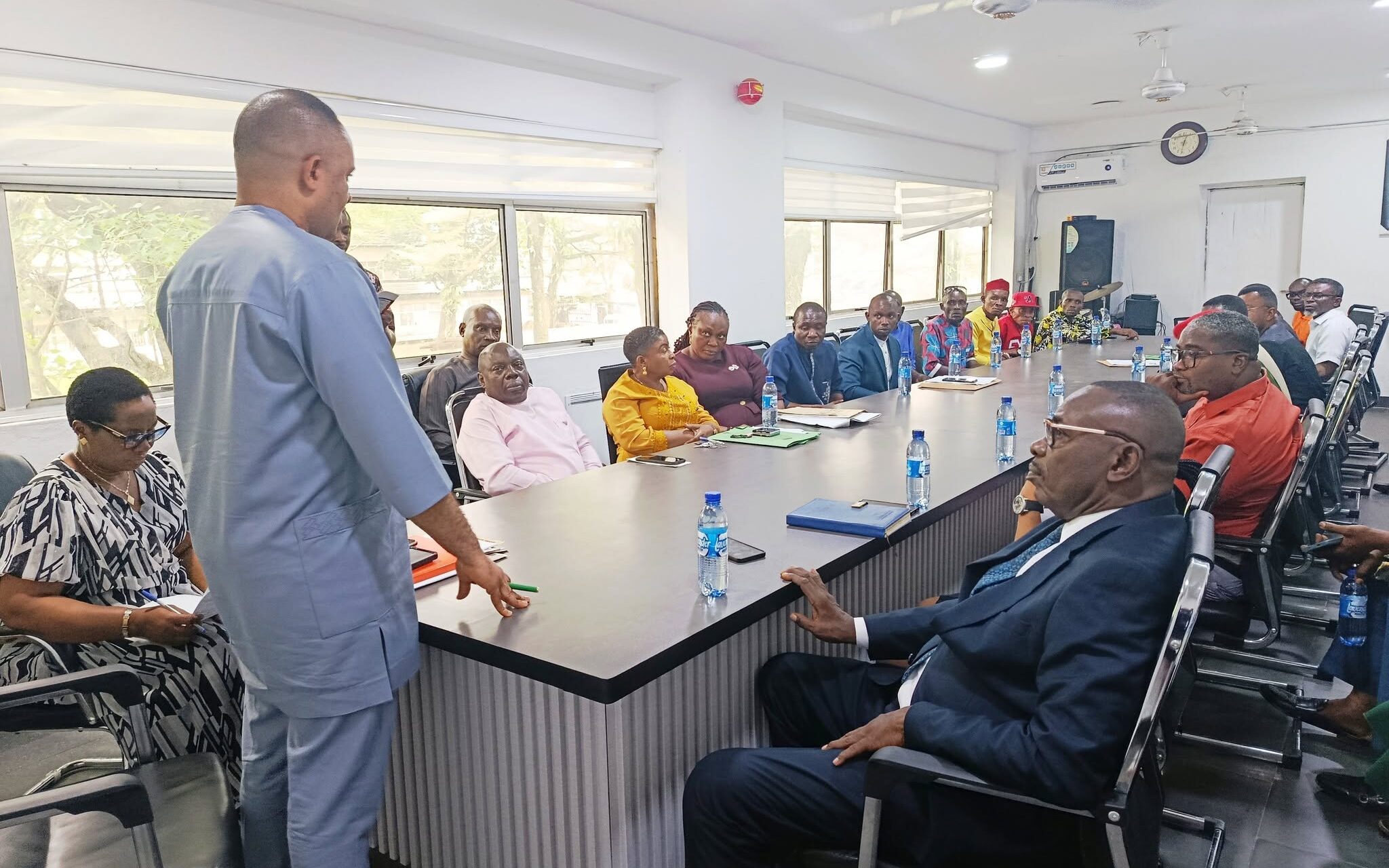
We’ve created social cohesion dialogues, where we bring Nigerian communities together with local South African communities to interact and understand each other better.
We have held many of these engagements over the years to promote peaceful coexistence. This year, due to challenges, we couldn’t hold as many as we wanted.
At the government level, under the Memorandum of Understanding between both countries, we have what we call consular and migration consultations. Through this, officials from both countries meet regularly to discuss migration, consular matters, and issues affecting citizens.
We also engage the private sector. I have met with MTN executives and other South African investors to discuss how we can work together to improve perceptions between our two countries.
PREMIUM TIMES: How often do you engage with the Nigerian community in South Africa?
Temitope Ajayi: We engage continuously.
Whenever we have consular outreach programs, we meet with Nigerians. Even when there are no consular activities, we often meet community leaders to discuss issues affecting Nigerians.
At one point, the Nigerian community was fragmented, so part of our job has been to unify the different groups and encourage togetherness. This has been a constant part of our work.
PREMIUM TIMES: You mentioned the Bi-National Commission. What role do you expect it to play?
Temitope Ajayi: The last session of the Bi-National Commission was in 2024, and another is expected this year.
One of the main outcomes of the recent meeting in Abuja was the need to quickly reactivate the commission.
Before the Heads of State meet, senior officials and foreign ministers will meet to address migration, consular issues, and other bilateral matters.
We want to move beyond just talking about evacuation and repatriation.
We also want to tell a different Nigerian story.
For every Nigerian who commits a crime, there are five to seven Nigerians who are doctors, lawyers, academics, nurses, and other professionals making positive contributions to South African society.
We need to share those stories too.
PREMIUM TIMES: Ghana previously tried to raise xenophobia at the African Union without success. Why does Nigeria believe its approach will be different?
Temitope Ajayi: Ghana’s situation was different.
South Africa claimed the matter was taken to the wrong forum and should have been discussed through the appropriate Council of Ministers.
Nigeria is taking a different approach.
We are building consensus with other African countries because you need support from other states to address this issue effectively.
Many countries have faced similar challenges, and there have been diplomatic talks to build that consensus.
Once we have enough support, we believe the African Union is the right platform because migration and protecting African citizens are continental issues.
That is the approach we are taking.
PREMIUM TIMES: Finally, despite the challenges, are you hopeful about the future of Nigeria-South Africa relations?
Temitope Ajayi: Yes, I am.
The relationship between Nigeria and South Africa is larger than the challenges we face.
There are strong political ties, significant investments, educational exchanges, and people-to-people connections that keep growing.
Our task is to foster dialogue, promote cultural exchanges, and encourage better understanding between our peoples.
That is how perceptions will gradually change and how both countries will continue to lead on the African continent.

Drop your comment
No comments yet — be the first to drop the gist 👇