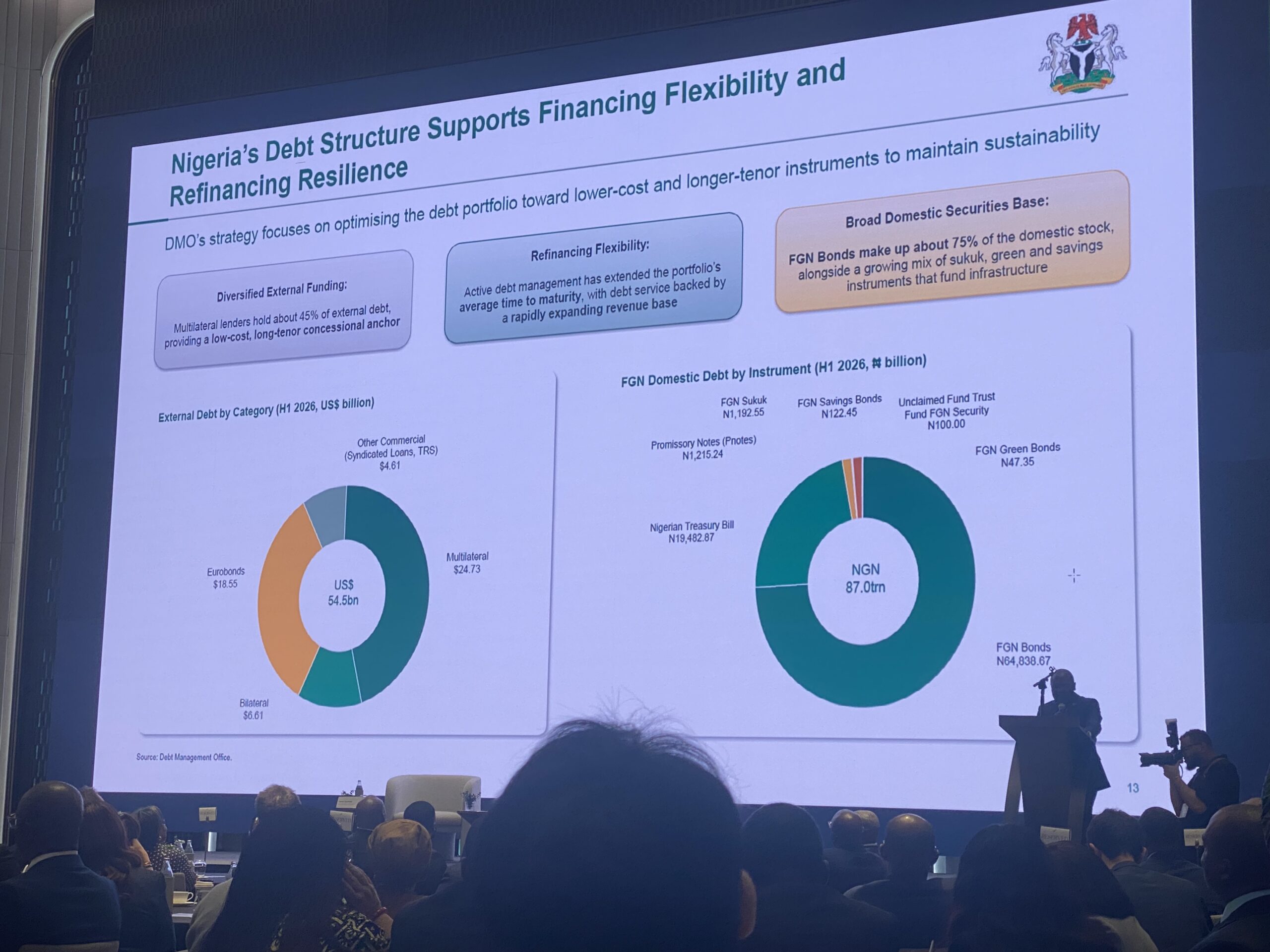
Nigeria’s Minister of Finance and Coordinating Minister of the Economy, Taiwo Oyedele, shared five fiscal reforms on Wednesday. He said these reforms will help create a better business environment, promote growth, and attract investments.
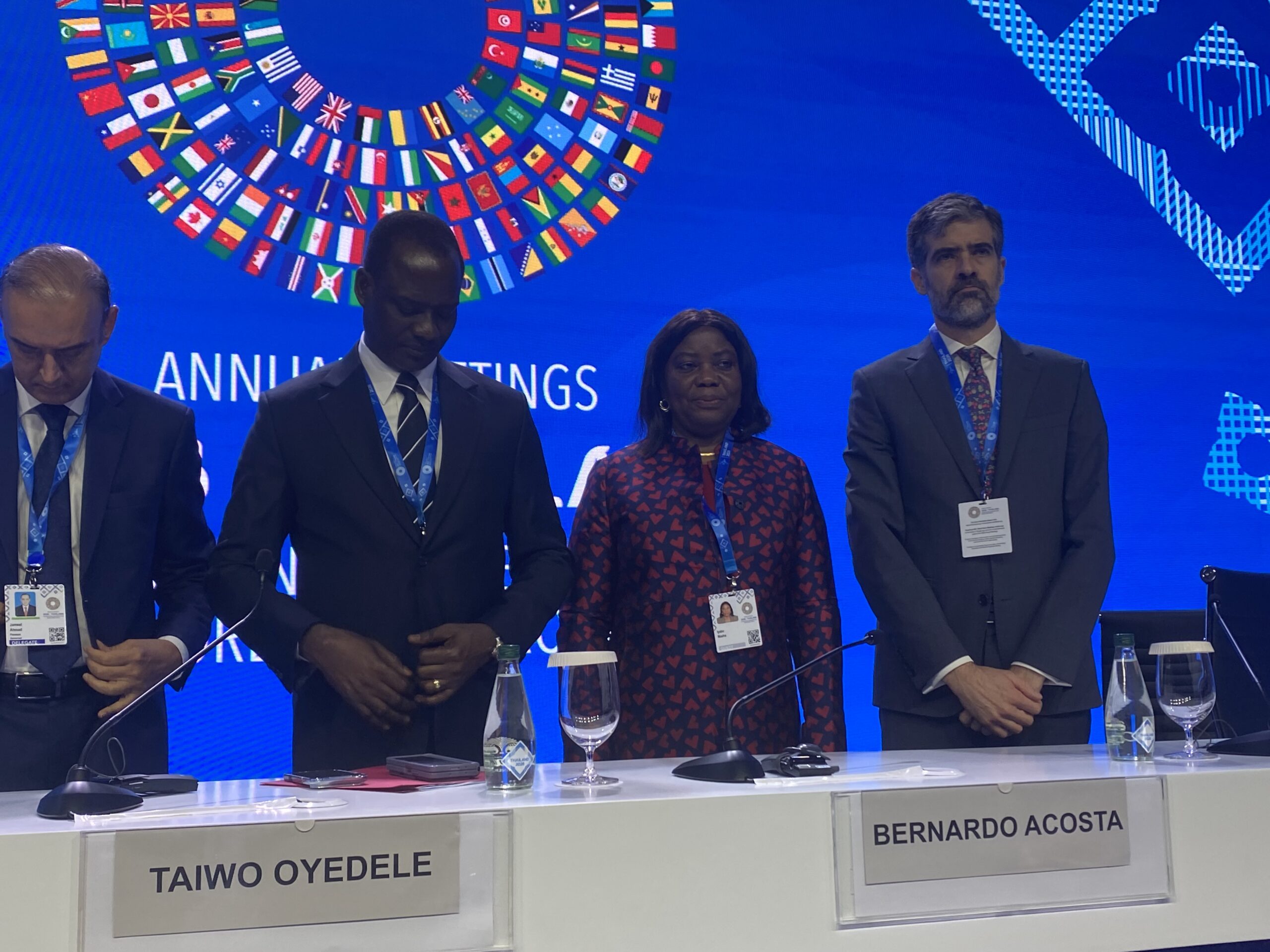
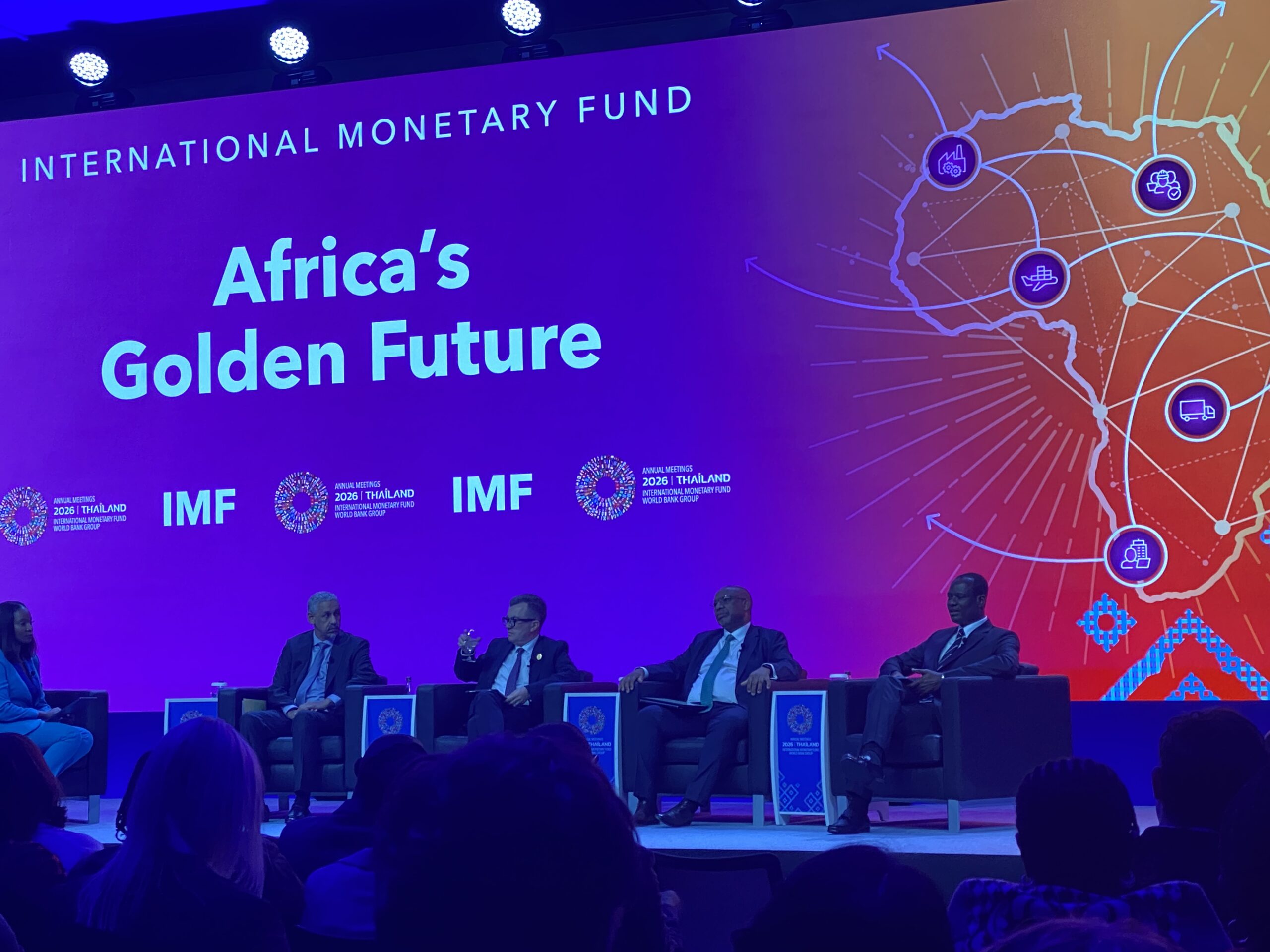
The minister spoke at the Nigerian Investors’ Forum during the World Bank/IMF annual meetings in Bangkok, Thailand. The forum brought together corporate investors, bankers, government officials, and others to highlight Nigeria’s investment opportunities and engage in discussions.
Mr. Oyedele explained that Nigeria aims to introduce “five big reforms” in fiscal policy to draw in the right investments and support development. He mentioned key areas for reform, including agriculture and food security, power, regulations, inflation, and data management.
“I’ll give you some of the five big issues, big reforms, to expect from the government,” the minister stated at the forum.
“One of it is agric reform. One of the drivers of inflation is food. So we are trying to now piece this together to find where these problems are coming from. One thing that we’ve seen recently is that when analysts go on TV, economists talk about why there is inflation; they will talk about bad roads, they will tell you insecurity, and I say yes to some extent.
“If roads are bad, they shouldn’t create inflation unless the roads are worse this year than they were last year. So, the data we have shows that roads are better generally than previously.”
“So, we know where the inflation and the pressure for it is coming from. We’re going to tackle it there, not only just to bring it down to a single digit, but to leave it there.”
The second major reform mentioned by Mr. Oyedele is power.
“You cannot power a one trillion-dollar economy in darkness,” the minister said.
“It’s impossible. So we’re looking at strategies to address the issues; whether it’s market-reflective pricing, dealing with issues around transmission, how do you drive efficiency, which is not there currently.”
Inflation management is another key reform target.
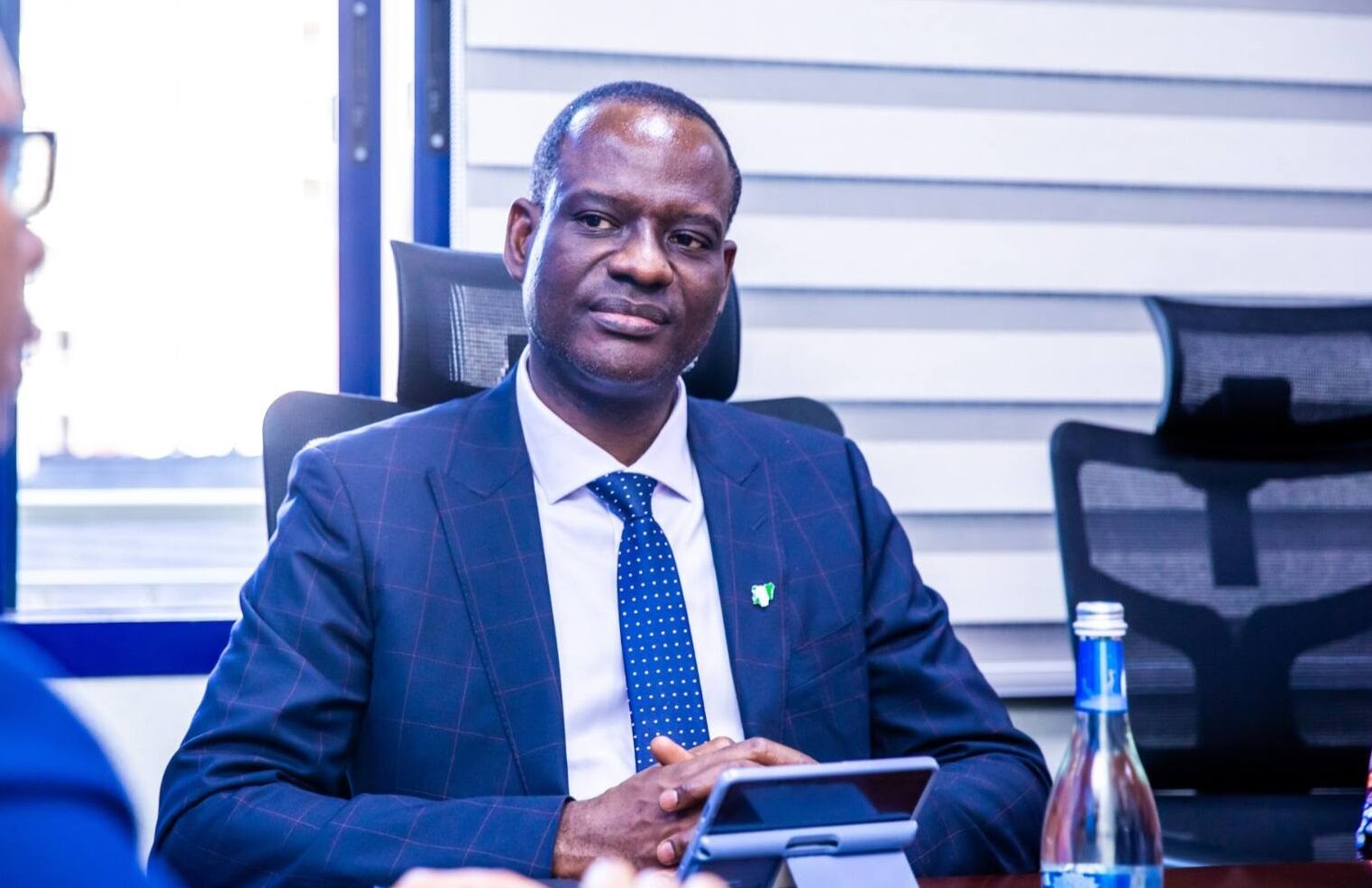
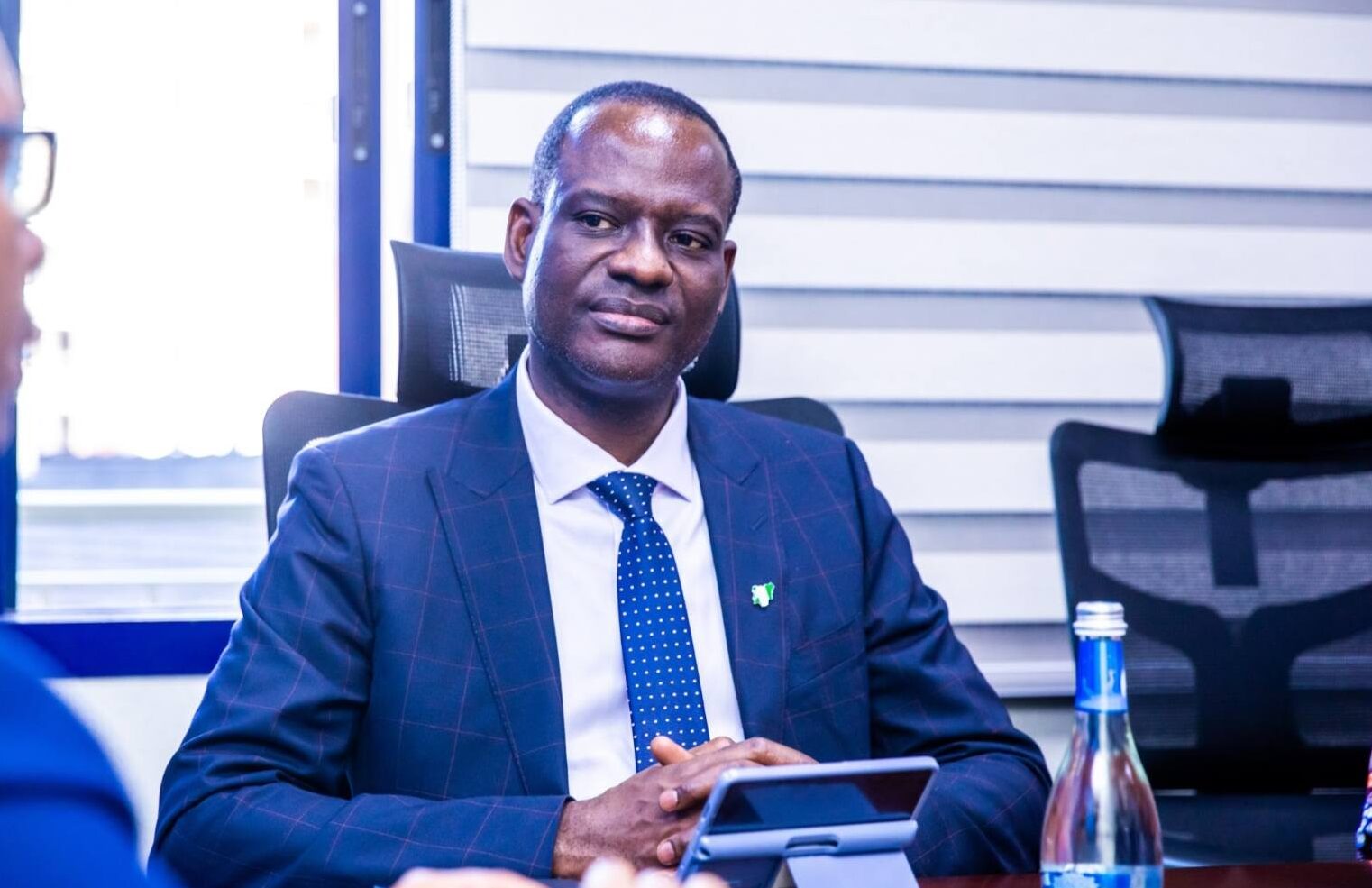
“So there is a dedicated focus on what we want to do, particularly from the fiscal side, to rein in inflation. And we’re working with sub-nationals. So everybody has their role.
“And this is not just to say something that’s nice, it’s a plan with assigned roles and responsibilities with timelines. So, my role is just to coordinate all of that together.”
The minister also highlighted issues with regulations.
He said: “We estimate that over-regulation, regulatory burden, lack of clarity, a number of those excessive burdens that we impose on businesses actually are costing us more than the combined revenue from corporate tax, personal income tax, and VAT combined.
“And you can ask me, what is the best example of a win-win outcome? Where the government wins, private sector wins even more. So we have started by developing a framework for economic policy for Nigeria.”
Data management is another area needing attention.
“People say, and we agree with them, that it’s difficult to find data about Nigeria, especially from the fiscal side. Something as important as our tax-to-GDP ratio, you can’t find it easily. The World Bank in their NDU quoted an amount of tax-to-GDP ratio that is much lower than it is actually.
“If you go to the IMF today, their numbers are different. Within government, depending on who is saying it and when they are saying it, they quote different numbers. Now, we said, ‘not anymore’.
“So we are currently finalising all of that and it will be available on the website of the Ministry of Finance, finance.gov.ng. It will be updated timely, it will be accessible, it will be credible. We are playing now on visibility and elevating credibility.

Drop your comment
No comments yet — be the first to drop the gist 👇