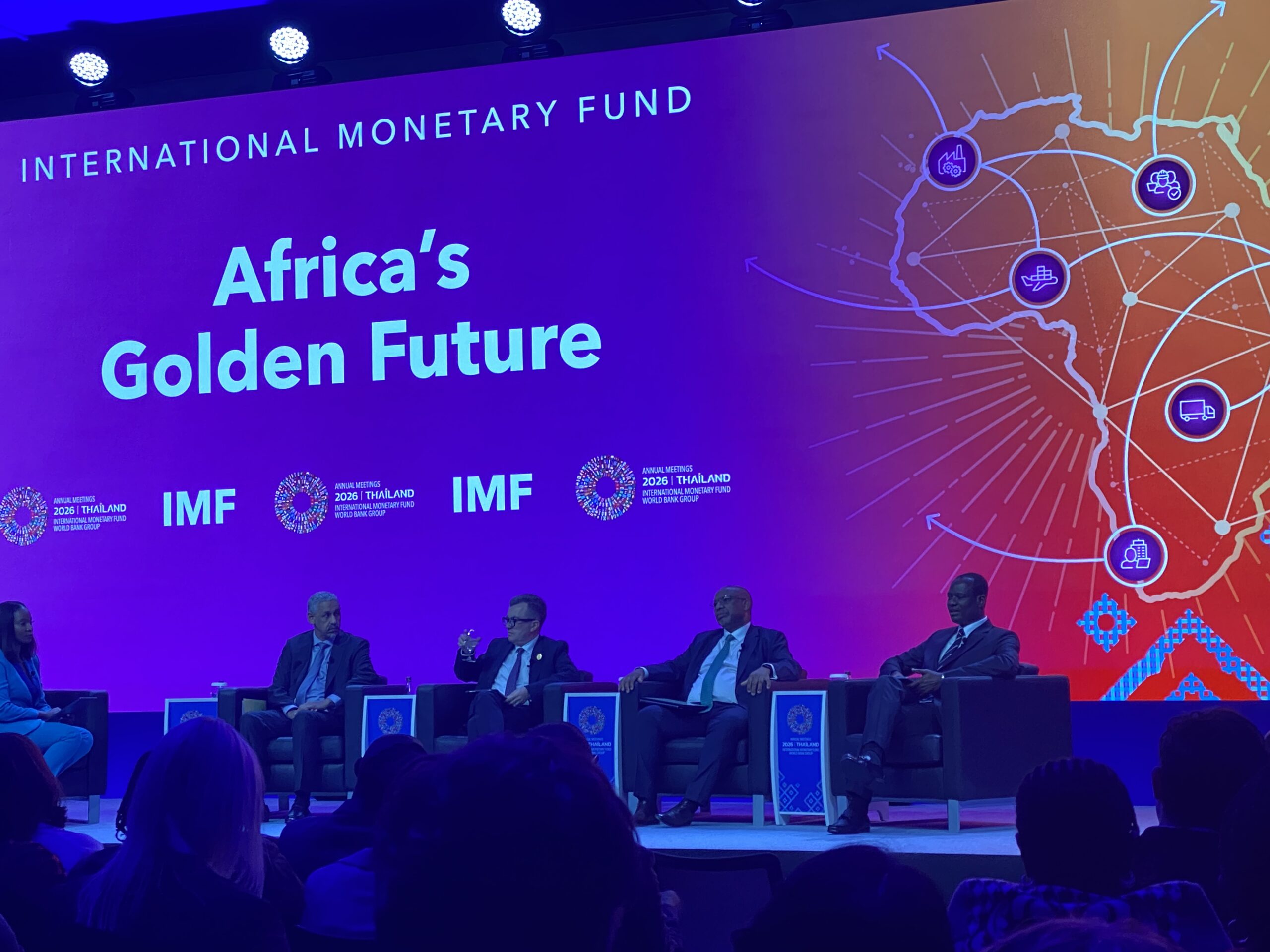
The Minister of Finance, Taiwo Oyedele, shared important lessons that African countries and others can learn from Nigeria’s economic changes. He spoke on Tuesday at the Africa’s Golden Future Forum during the World Bank/IMF meetings in Bangkok, Thailand.
Mr Oyedele emphasized that proper planning, clear communication, and public trust are key for successful reforms. He pointed out that Nigeria's main economic changes include removing fuel subsidies, liberalizing foreign exchange, and reforming taxes.
"For reforms to help with growth, we must start with the end goal in mind," Mr Oyedele said. "Think about what could go wrong and how you would deal with it. While doing this, keep communicating clearly to build trust."
He noted that one effective strategy for Nigeria was showing the reality of the situation. "People can easily see that life is tougher due to the reforms. But you must show them that without the reforms, it would be even tougher," he said.
"And it doesn’t mean they will believe you right away, but you have to keep explaining it. The second point is sequencing. Many reforms involved correcting prices. You first adjust prices to reduce volatility, then focus on stabilizing the system, and finally scale up. Most importantly, think about how to make it sustainable by embedding it into institutions and laws."
Nigeria has rolled out several reforms aimed at fixing the economy's structure. Yet, many Nigerians are feeling the effects of these changes during a cost-of-living crisis. The government changed the foreign exchange market, eliminated what it called a wasteful subsidy system, and made tax reforms.


While global financial institutions see these reforms as positive for the country’s finances, many Nigerians are frustrated due to rising energy prices, high living costs, and inflation.
The minister explained that using the law properly and making reforms part of institutions is essential for long-term success. "Most of our reforms are either law-based or part of institutions. This is necessary for sustainability. Lastly, staying consistent is crucial. Policy consistency is vital. Capital comes to trust before it considers returns. People need to plan and predict your actions."
Mr Oyedele also mentioned that the unique nature of African economies and populations should guide how reforms are sequenced and communicated. "Keep in mind that many people in Africa live in poverty. Many are not well educated. When people are hungry and angry, they cannot think clearly," he said.
"So how do you ensure these people can survive? They need to be alive to see the future you are promising. This is where support systems are very important, like cash transfer funds. In Nigeria, we have reached over 10 million households. We also provided education funds to students, helping not just them but also their parents and guardians. This way, we ensure clarity."
The minister praised the political leadership for its commitment, saying it helped maintain policy consistency. "We are fortunate to have strong political leadership to see these reforms through. If it can happen in Nigeria, it can happen anywhere else," Mr Oyedele stated.

Drop your comment
No comments yet — be the first to drop the gist 👇