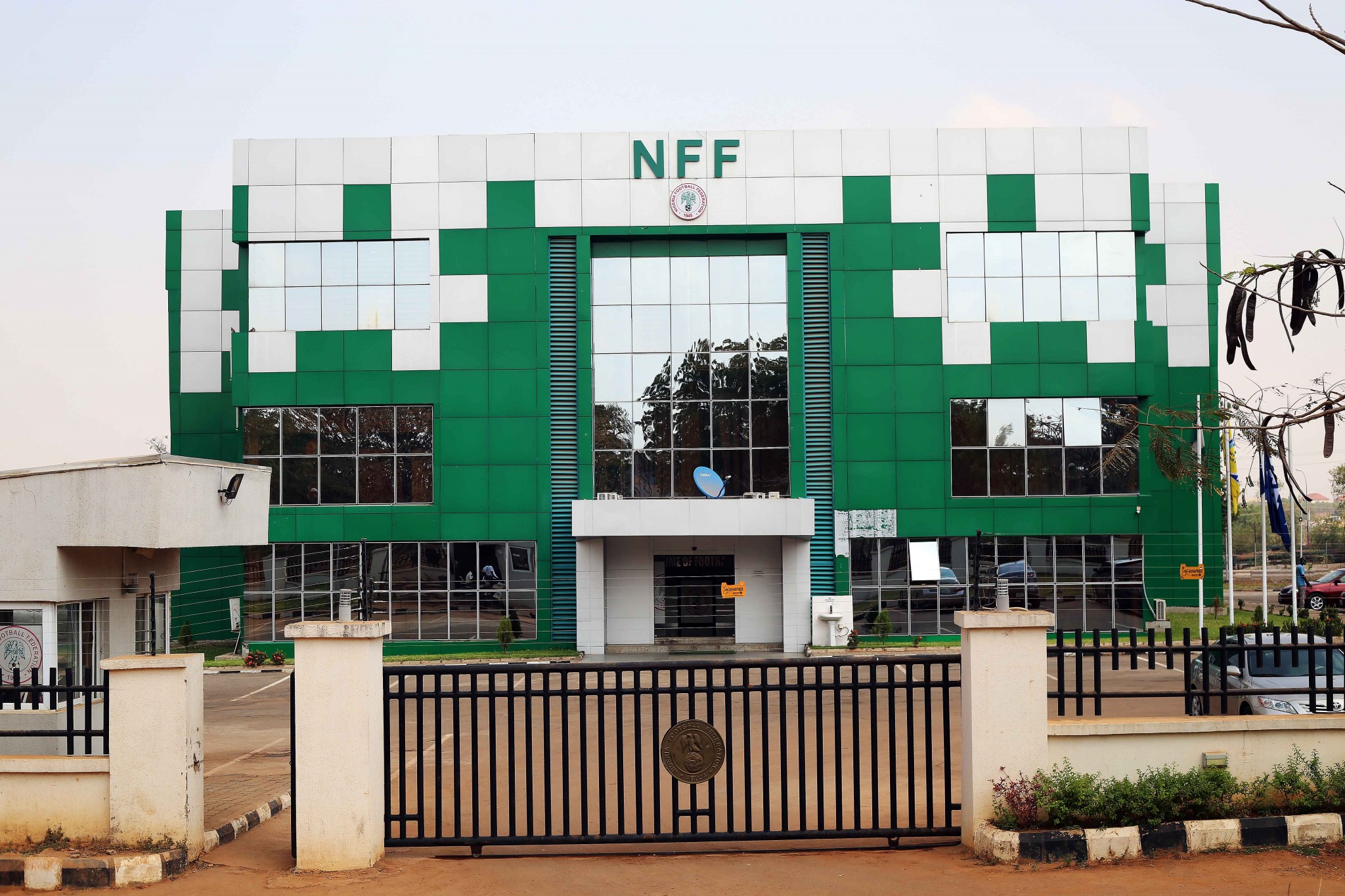
Nigeria’s football is in chaos. The 13-member board of the Nigeria Football Federation (NFF) resigned last month. Ibrahim Gusau was the chairman. This mass resignation happened just 34 days before their tenure was set to end. Many football fans and stakeholders wanted this shake-up due to the problems the game faced under the NFF.
This exit is a relief. It now opens the door for a proper restructuring of football management in Nigeria. This is needed to match the country’s love for the game. FIFA, the global governing body for football, has been informed about this sad situation.
In a letter dated September 7, FIFA asked for a stop to the planned NFF Congress on September 27. FIFA wants to come to Abuja, Nigeria, with the Confederation of African Football (CAF) to carry out a joint mission. They said, “The assessment requires careful review of the relevant facts within the applicable NFF regulatory framework and the positions communicated by the various stakeholders concerned.”
The current issues in Nigerian football started after the Super Falcons failed to qualify for the 2027 Women’s World Cup in Brazil. They were knocked out in the quarter-finals of the Women’s African Cup of Nations (WAFCON) held in August in Morocco by Cameroon. This tournament also served as qualifiers for the World Cup. The four semi-finalists secured automatic spots.
The Super Falcons also missed a chance to qualify when they lost to South Africa. They were the defending champions, having won the tournament 10 times. After this failure, the NFF fired the Super Falcons coach, Justin Madugu.
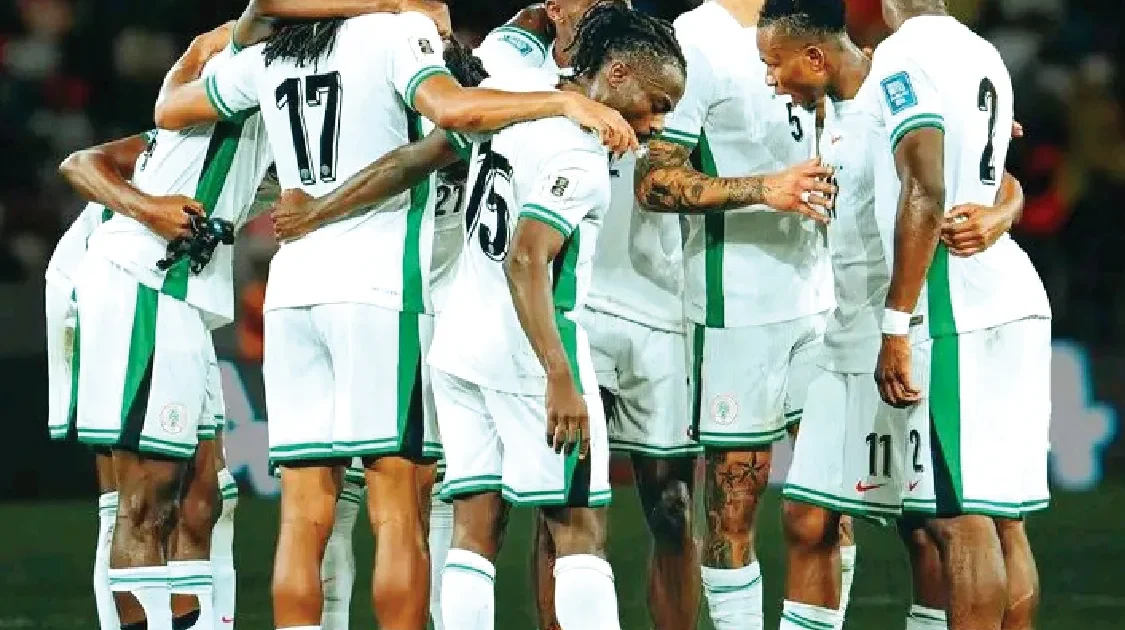
Earlier, the Super Eagles missed the 2026 World Cup in the US, Canada, and Mexico. Africa’s representation increased from five to ten teams, but Nigeria still failed to qualify. This was the second consecutive World Cup miss, as they also did not participate in the 2022 tournament. Football fans in Nigeria were not happy about this decline. The problems also affected the U-20 and U-17 teams, which missed their World Cup tournaments.
People are questioning the NFF’s actions in all of this. There is concern about how the NFF spent the ₦12 billion intervention fund from the federal government. This money was meant to clear players' allowances and bonuses, which have been owed for 15 months.
Whether FIFA and CAF visit the NFF or not, those responsible for misusing funds must be held accountable. We need to see the details from the investigation by the anti-graft agencies.
Football is one of the few things that unite Nigerians. It creates a sense of community and patriotism, which we need to build our nation. Therefore, it is essential for the government and all citizens to support football in Nigeria.
We appreciate President Bola Tinubu’s recent efforts to reform football. He wants to address the weaknesses in the system for better management and growth. The president said, “Football, Nigeria’s most popular sport and the greatest beneficiary of public support, investment, and national attention, has continued to struggle locally due to the structural deficits within the system.”
We welcome FIFA’s planned visit to Nigeria to look into the state of our football. We also support the pause of the Elective Congress on September 27 in Lafia, Nasarawa State. We hope that FIFA’s discussions with the former NFF board members, stakeholders, and government officials will create a better future for football in the country. This chance must not be wasted!
For too long, Nigeria has faced arguments and divisions within the NFF. Some individuals and groups only care about their own interests instead of improving football. This mismanagement has crushed the dreams of many young Nigerians who want careers in football.
Media reports show that players have complained about not receiving their payments. The NFF board received ₦17 billion, which has led the Economic and Financial Crimes Commission (EFCC) and the Independent Corrupt Practices and Other Related Offences Commission (ICPC) to investigate.
Worldwide, when players protest about unpaid allowances, it affects their performance. It becomes worse when funds are misused, leading to shortages. Last November, Super Eagles players boycotted training in Rabat, Morocco, before an important World Cup qualifier against Gabon due to unpaid allowances from 2019.
In April, U-17 and U-20 players complained about unpaid allowances totaling ₦1.5 billion for six tournaments. The same issue happened during WAFCON.
Football can greatly benefit youth development and create jobs while improving Nigeria's image. It is crucial for the EFCC to complete its investigation into the ₦12 billion and publish the findings. Those responsible must be held accountable.
We should not rush to hold a congress to elect new board members without first fixing the problems in our football.
Corruption is a big issue in this situation. If we do not address it properly, FIFA’s investigation and any new NFF board will not solve the problems.

Drop your comment
No comments yet — be the first to drop the gist 👇