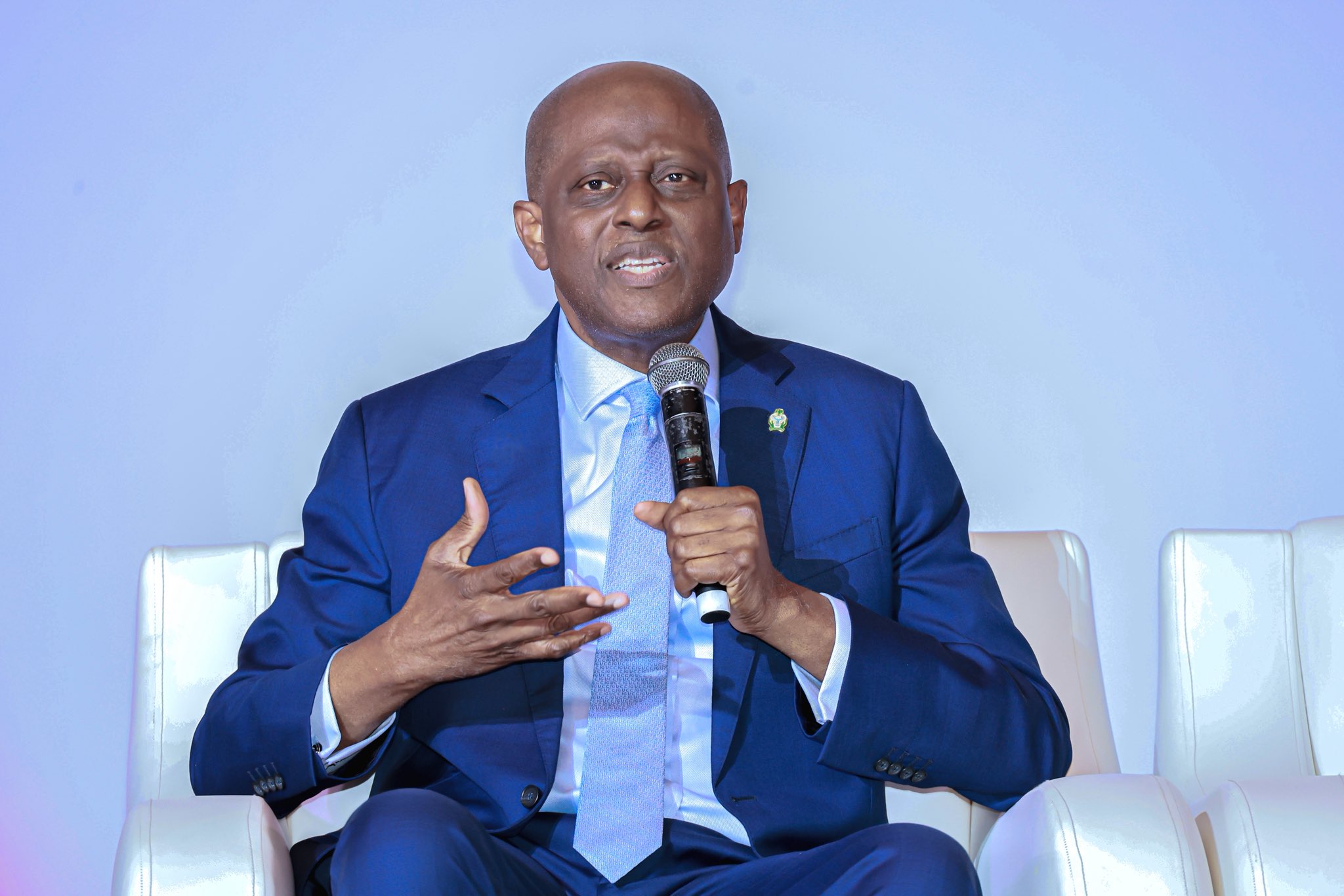
The Central Bank of Nigeria (CBN) has announced that foreign exchange pressures have reduced as Nigeria's external reserves rose to $55.25 billion. At the same time, the country's current account surplus increased by 67.92 percent to $7.54 billion in the second quarter of 2026.
These figures were shared in the report from the 307th meeting of the Monetary Policy Committee (MPC) on Tuesday. The committee noted stronger external factors and better investor confidence.
CBN lowered the benchmark interest rate to 23 percent from 26.5 percent to adjust the Monetary Policy Rate (MPR) and refine the policy corridor.
According to CBN, the current account surplus grew from $4.49 billion in the first quarter to $7.54 billion in the second quarter. In the same period, the balance of payments surplus rose from $2.38 billion to $3.51 billion.
CBN stated that the improvement in the external situation has led to more stability in the foreign exchange market.
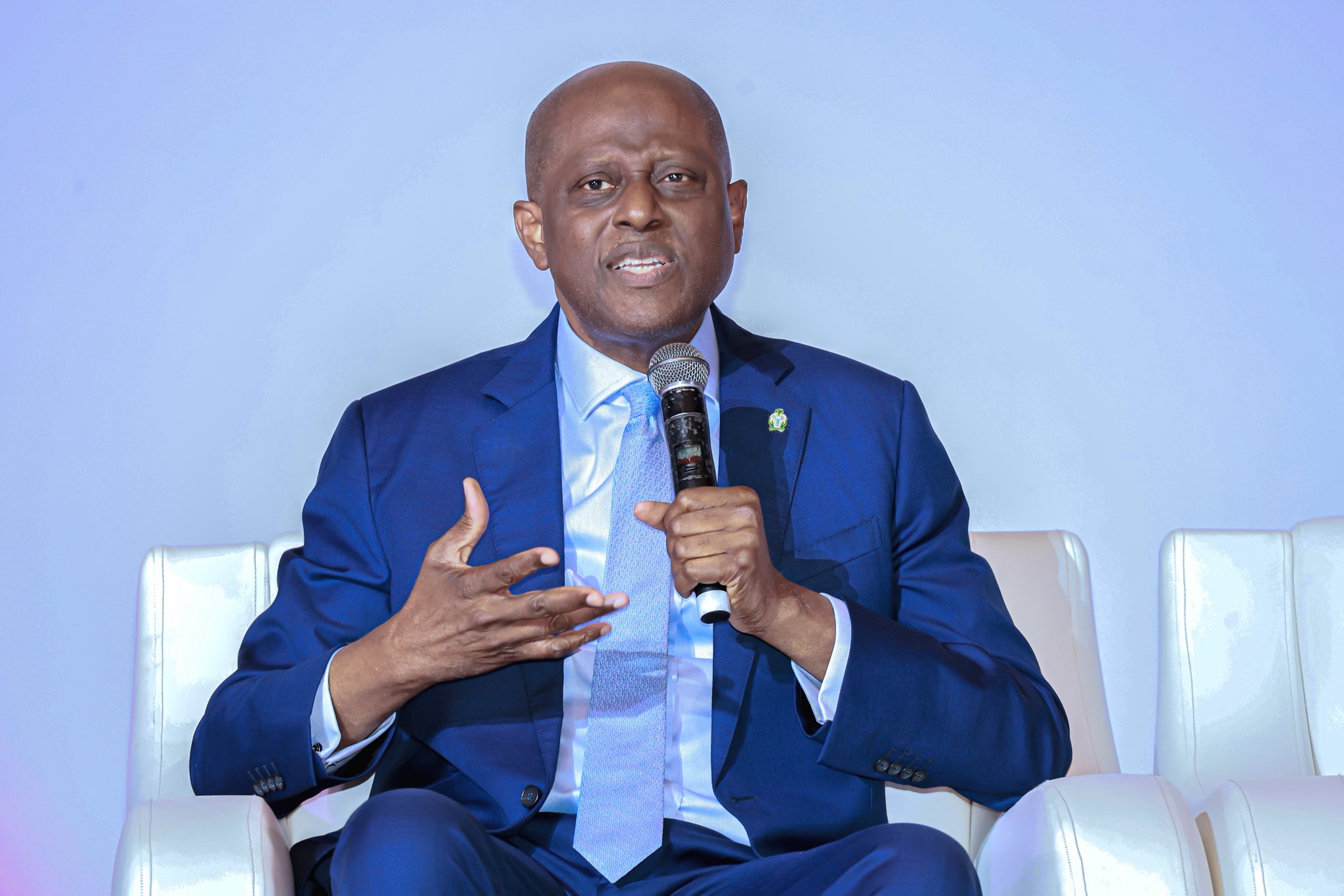
After the meeting, CBN Governor Olayemi Cardoso said that foreign exchange pressures had lessened significantly and that the country had strengthened its external reserves.
"Gross external reserves stood at US$55.25 billion as of September 18, 2026, the highest in 18 years, and sufficient to finance 11.3 months of import of goods and services.
"Of course, we have been able to rebuild our reserves, and the whole conversation around rebuilding the reserves, we know that today, and it was mentioned in my communiqué that we are in excess of 55 billion US, the highest number in over 18 years," he said.
The governor also said that part of the improvement in Nigeria's external buffers is due to diaspora remittances. He mentioned that these remittances have helped strengthen the country’s financial position.
"In addition to that, and something that has also contributed to that is the whole issue of diaspora remittances, which you all hear me making reference to, and I’ve been doing so for such a long time, and I will continue to, because it has served a very helpful process in building up our resilience and building up our buffers," Mr Cardoso said.
CBN has introduced measures to boost diaspora remittances. These include the Non-Resident Nigerian Ordinary Account and Non-Resident Nigerian Investment Account. These accounts allow non-resident Nigerians to send money home and manage or invest funds in Nigeria.
The governor explained that the better external position has also helped support stability in the foreign exchange market and renewed confidence in Nigeria's financial markets.
"When we look at the capital markets, where is it coming from? It’s coming from the stability in the foreign exchange markets," he said.
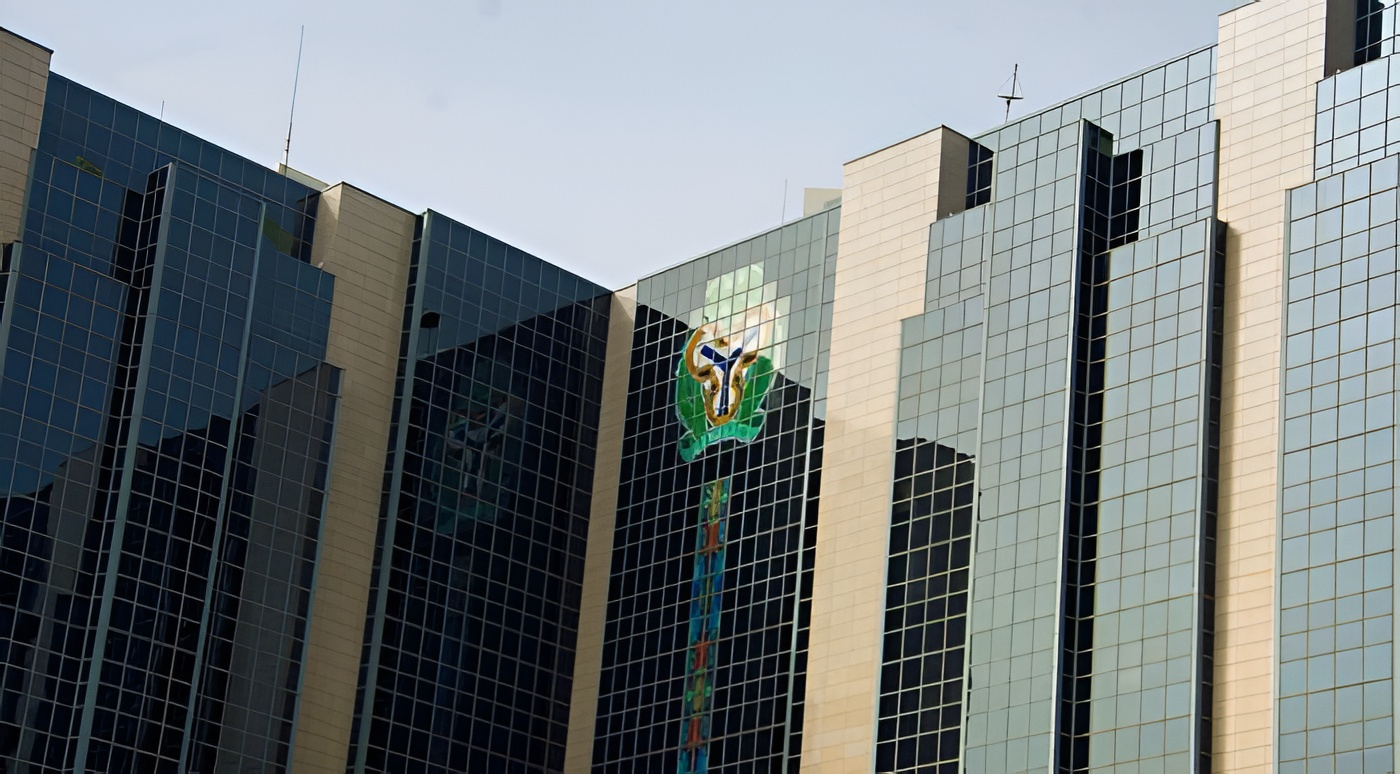
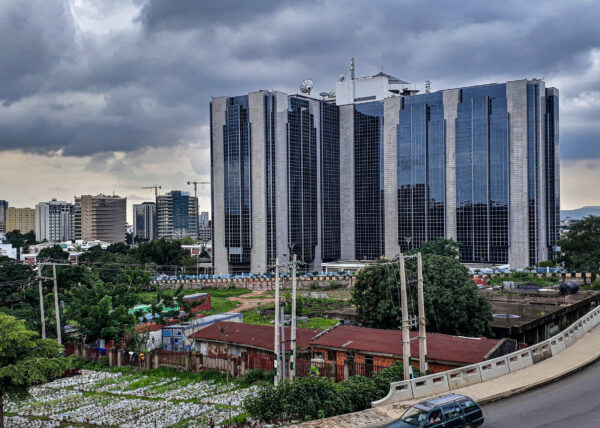
He added that the improvement in the external position was key to the MPC's confidence in its decision to adjust the monetary policy framework.
During the MPC press briefing, CBN also explained that its decision to reset the MPR to 23 percent does not mean a monetary policy easing.
Mr Cardoso said the changes aim to improve the transmission of monetary policy and strengthen the MPR as the main signal of monetary policy.
"The MPC emphasised that the recalibration of the corridor does not constitute a change in the current monetary policy stance, but rather an operational reset to enhance the effectiveness of monetary policy and support the transition to an inflation targeting framework," the committee stated.
While talking to journalists after the meeting, the CBN governor said the reset was needed because the current monetary policy transmission system was not working as well as the bank needed.
"We have the firm belief that it has not been working as effectively as it should, the disinflation process is ongoing, and that’s a very positive thing," he said.
Mr Cardoso mentioned that this decision was backed by Nigeria's economic stability, including lower inflation, improved external reserves, reduced foreign exchange pressures, and better investor confidence.
He said the CBN's earlier strict policy measures had met their goals. The reset is meant to make the monetary policy framework work better.
The governor warned against seeing the MPR reset as a sign of easing monetary policy.
"The tight thing that we have done, in our view, has done its job. It has worked. The policy tools we have used have worked.
"We will stay on the course which has been a restrictive one for as long as we have to, and that’s why I re-emphasise that you should not see this as an easing, it’s a reset and a recalibration. That is all it is," he said.



Drop your comment
No comments yet — be the first to drop the gist 👇