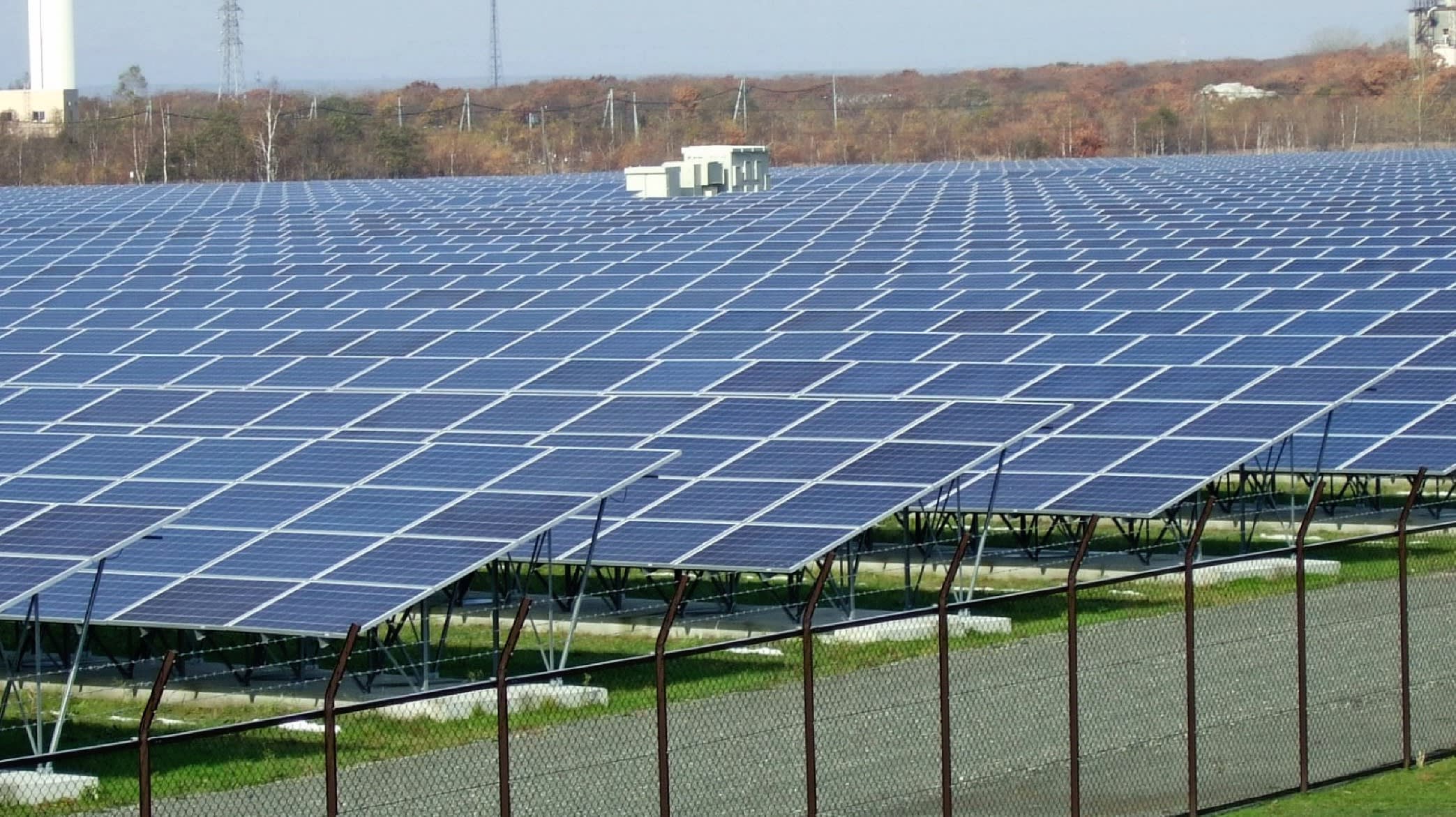
A new report by Ember, a global energy group focused on clean electricity, says Nigeria will install 1.7 gigawatts (GW) of solar power in 2026. This shows that the use of solar energy is really growing in Nigeria.
This growth is part of a larger increase in solar installations across Africa. The continent is expected to add a record 17GW of solar capacity in 2026. This is a 45 percent increase from last year, according to the report.
But much of this growth is not shown in official figures. The report says this is mainly because most new solar capacity comes from small solar systems. These systems are installed by households and businesses for their own electricity needs.
These small solar systems, called distributed solar, are often set up on the customer side of the electricity network. They are harder for governments and utilities to track compared to big solar farms.
The findings are in the report titled “The take-off in African solar that official statistics can’t yet see,” created by Ember with the African Tech Futures Lab (ATFL).
The report estimates solar installations in Africa from 2023 to 2026 using Chinese customs data. It also uses a new method to compare these estimates with official national and international statistics.
This report follows Ember’s August 2025 report, which the organization said provided the first evidence of a solar take-off in Africa.
Distributed Solar Leads the Way
Distributed solar means small solar systems set up on the customer side of the electricity network. Most of these are rooftop systems used by households and businesses to generate power for themselves.
Ember estimates that Africa added 26GW of total solar capacity between 2023 and 2025. About 20GW of this was distributed solar.
The group said utility-scale and off-grid solar only made up about a quarter of the new capacity. This means that distributed solar is responsible for most of the growth.
The report says this growth is due to falling solar technology costs, the need for steady electricity, and the growing financial sense of generating power independently.
Businesses have been quick to adopt these systems, making up at least 80 percent of distributed solar capacity in most African markets with available data. Ember noted that payback periods for these systems can be as short as two to five years.
Solar Market Expands in Nigeria
These findings come as Nigeria’s small-scale solar market is growing. Households and businesses are increasingly turning to alternative electricity sources.
A PREMIUM TIMES report based on BloombergNEF research found that Nigeria is now sub-Saharan Africa’s largest small-scale solar market. The country had about 6GW of cumulative capacity by 2025.
The research estimated that Nigeria added about 3.1GW of small-scale solar in 2024 and 2025. This increase came as households and businesses adopted solar and battery systems due to ongoing electricity supply issues and rising energy costs.
Ember’s report estimates that Nigeria will add another 1.7GW of solar capacity in 2026. This growth is also seen in the number of businesses joining the market.
Ember reported that 370 new solar companies were registered in Nigeria in 2025. This is a big jump from 56 in 2019.
Solar Growth Not Reflected in Official Data
Despite this rapid growth, Ember said official statistics do not fully capture Africa’s solar expansion.
The organization estimates that Africa installed 12GW of solar in 2025. This is much higher than the 6.2GW estimated by the International Energy Agency (IEA) and the 4.6GW reported by the International Renewable Energy Agency (IRENA).
Ember found that official national reports on solar capacity exist for only 36 of Africa’s 54 countries. Only 14 of these countries had data for 2025.
Among the countries with 2025 data, Ember’s estimates of solar installations between 2023 and 2025 were often higher than reported cumulative capacity. This shows that official figures are missing a lot of new installations.
Only South Africa, Tunisia, and Tanzania provide some solar capacity data monthly or quarterly, according to the report.
This issue is especially important for distributed solar. Many installations are done informally and are not reported to government agencies or electricity utilities.
Currently, only 12 African countries have official or semi-official figures for distributed solar, Ember said.
Why Accurate Data is Key
Ember warned that poor data could impact how African countries plan and invest in their electricity systems.
Accurate information on distributed solar is needed to predict electricity demand and plan grid infrastructure. Without this data, governments might overestimate demand or make wrong decisions about electricity generation and grid investments.
This data gap could also affect electricity tariffs, utility revenues, and efforts to track renewable energy goals and emissions cuts.
Ember pointed out that the African Union’s Continental Power Systems Masterplan expects only 23GW of solar to be installed in Africa by 2040. This is less than Ember’s estimate of the 26GW of solar capacity already installed from 2023 to 2025.
The group said African countries must improve how they collect and report solar data as distributed generation becomes a bigger part of their electricity systems.
Solar Can Cut Diesel Dependence
The fast growth of solar could also help meet Africa’s electricity needs and reduce reliance on diesel generators.
Ember estimates that the 17GW of solar expected to be installed in Africa in 2026 will generate around 23 terawatt-hours of electricity each year. This would be about 2.3 percent of Africa’s electricity generation in 2024, slightly above the continent’s average electricity demand growth of 2.2 percent from 2014 to 2024.
In 28 of Africa’s 54 countries, Ember estimates that increased solar generation will outpace historical electricity demand growth.
The report also noted a rising demand for batteries alongside solar systems, especially in countries with unreliable electricity supply.
Chinese solar panel exports to Africa in the year leading to June 2026 were valued at $2.4 billion, according to Chinese customs data seen by Ember.
The group estimates that generating the same electricity with diesel would cost about $2.4 billion every three months.
Africa has also imported more batteries than solar panels in terms of value from China since 2024. Nigeria and the DRC are among the biggest markets for this.
In Nigeria, Ember said households and businesses likely buy these batteries to ensure electricity during grid disruptions and lessen their dependence on diesel generators.
The report states that the growth of solar and battery systems could lead to a more distributed electricity system. This means more power would be generated closer to where it is used.
However, it warned that governments need to consider this shift in their electricity planning. They should avoid making investment decisions based on incomplete data.



Drop your comment
No comments yet — be the first to drop the gist 👇