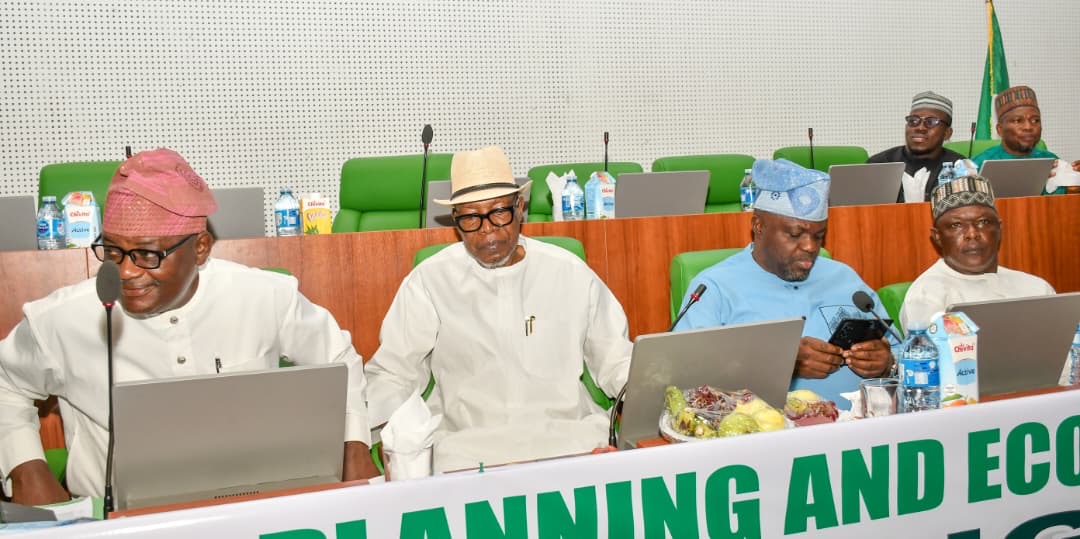
The Speaker of the House of Representatives, Abbas Tajudeen, has said that Nigeria's goal to create a $1 trillion economy will be hard to reach without a reliable, trustworthy, and modern data system. This system needs to provide accurate information for making decisions.
Mr Tajudeen made this statement on Monday at a public hearing on the Statistics Bill, 2025, which took place at the National Assembly in Abuja.
This hearing is part of the National Assembly's talks on new legislation aimed at updating Nigeria’s data system. This will replace the Statistics Act of 2007, which has been in place for nearly twenty years.
The public hearing was organized by the House Committee on National Planning and Economic Development. It brought together people from various ministries, departments, agencies, researchers, civil society groups, and other important stakeholders.
Represented by the House Leader, Julius Ihonvbere, the speaker said that good statistics are key to good governance, economic planning, and investment choices. He said, "To plan without accurate data is to build a house on quicksand. For Nigeria to achieve its goal of becoming a $1 trillion economy, every policy decision, budget allocation and infrastructural investment must be guided by data that is accurate, timely and beyond reproach."
The proposed law, called “A Bill for an Act to Repeal the Statistics Act No. 9, 2007 and Enact the Statistics Bill, 2025,” aims to strengthen the National Bureau of Statistics (NBS). It also plans to improve how data-producing agencies work together, better the quality of data, make digital data collection standard, and create a more sustainable way to fund the country’s data system.
Mr Tajudeen noted that the current law was made under conditions that no longer suit today's governance. He pointed out that technology has changed how data is used in policymaking and economic management.
He explained that when the existing law was introduced in 2007, technologies like Artificial Intelligence, cloud computing, digital platforms, and big data analytics were not as important as they are now in governance and development planning.
He described the new legislation as a significant reform, not just a simple update. It is meant to reshape Nigeria’s data institutions to meet current needs. The speaker said that reliable data is essential for economic planning, poverty reduction, budget implementation, monitoring government programs, and checking progress towards the Sustainable Development Goals.

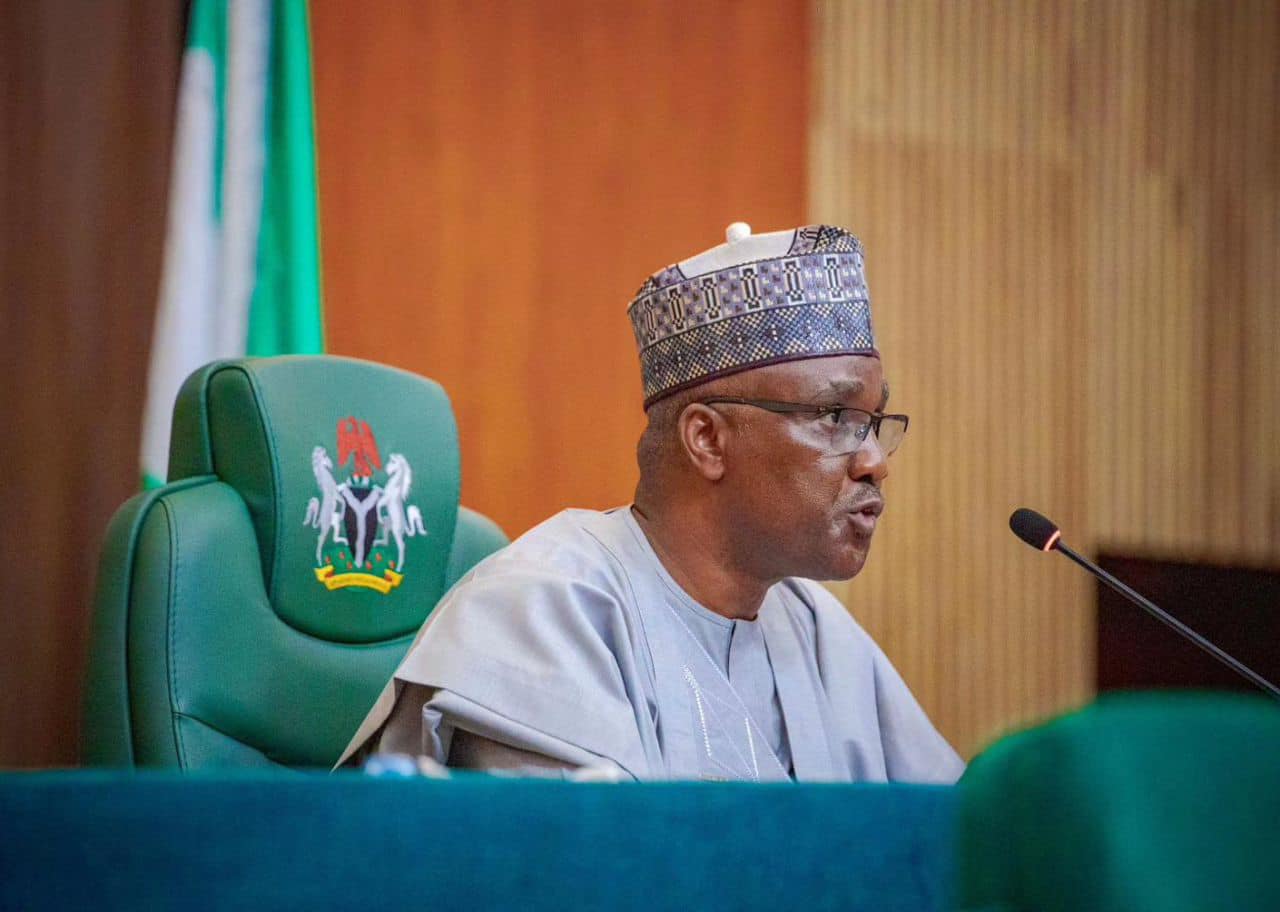

He also argued that a better-coordinated data system would cut down on duplication among government agencies. It would lessen the burden of repeated surveys on citizens and businesses. This would also build trust in official figures. He added, "We need a system that inspires absolute trust, whether an investor looks at our numbers in Abuja, London or New York."
The bill is being looked at during a time when many countries are investing in digital data systems to help with policy decisions based on facts and to improve economic governance.
Mr Tajudeen said that the new law aims to tackle these issues by creating a more connected national data system. This system should be able to provide timely, detailed, and broken-down data while following international standards for transparency and credibility.
He also repeated that the National Assembly is dedicated to making laws with public input. He asked stakeholders from government institutions, universities, civil society organizations, development partners, and the private sector to examine the bill and give their input.
He said that getting broad input is crucial for creating a legal framework that can deal with current and future challenges in data management.
Reports say that Nigeria’s National Bureau of Statistics is the main source of official socio-economic data, including reports on inflation, unemployment rates, GDP estimates, and household surveys. But there are worries about funding issues, inconsistencies in data management, and weak coordination among the institutions responsible for official statistics.
If passed, the Statistics Bill, 2025, is expected to bring the biggest changes to Nigeria’s official data system since the current law was put into place in 2007.



Drop your comment
No comments yet — be the first to drop the gist 👇