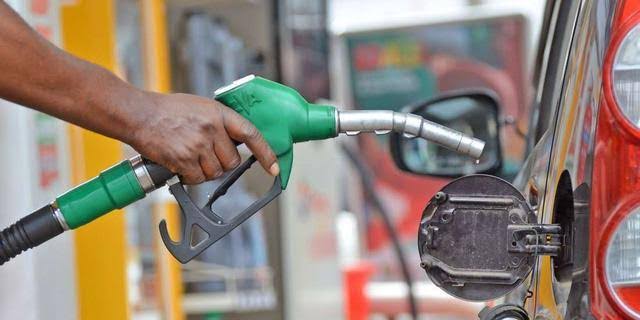
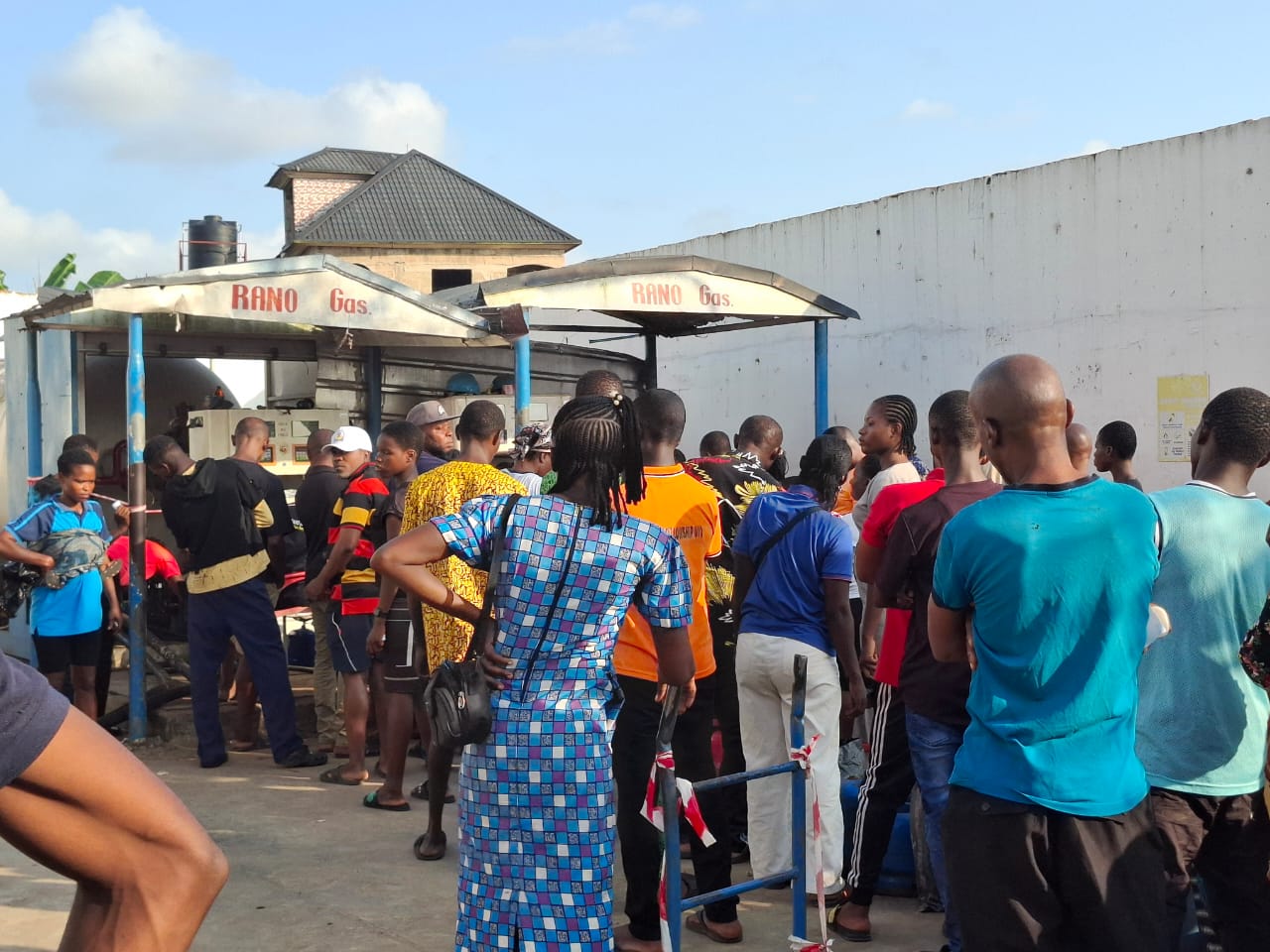
The Federal Government has announced that the Nigerian National Petroleum Company Limited (NNPC) will stop making profit on petrol sales. Instead, NNPC will sell petrol at the landing cost for the next 30 days. This move aims to help Nigerians deal with the rising global oil prices, especially for low-income households.
Bayo Onanuga, the spokesperson for President Bola Tinubu, shared this information in a statement on Thursday. The statement explained that if NNPC's landing cost is N1,300, it will sell petrol to Nigerians, especially to commercial vehicles, at that same price.
The Presidency stated that this discount has the backing of President Tinubu. It is part of several measures announced earlier by Taiwo Oyedele, the Minister of Finance and Coordinating Minister of the Economy, to ease the burden of increasing international crude oil prices and refined petroleum products.
NNPC Retail is already selling petrol at the lowest prices in the market. The government hopes this new arrangement will give some temporary relief to consumers.
PREMIUM TIMES earlier reported that Mr. Oyedele mentioned the government is negotiating a limit of ₦1,350 per litre on petrol's landing cost. This is to help control price changes in the market.
He also turned down calls to bring back petrol subsidies. He warned that reinstating petrol prices to what they were before the reforms could cost the government over ₦20 trillion each year. He added that doing this might put more pressure on the naira, possibly pushing the exchange rate up to ₦3,000 to the dollar and petrol prices to at least ₦2,000 per litre.
These proposed actions come as global crude oil and refined petroleum prices have sharply increased. This rise follows the ongoing conflict involving the United States, Israel, and Iran.
Disruptions to oil supplies through the Strait of Hormuz have increased worries about global energy security. Brent crude oil prices have now risen above $100 per barrel.
Nigeria, despite being a major oil producer, is feeling the effect of these higher prices. International crude prices and shipping costs are impacting local fuel prices.
Higher crude oil prices could increase government revenue. But higher costs of petrol, diesel, and aviation fuel have raised transport, production, and logistics costs for households and businesses.
This situation has worsened the cost-of-living crisis since the petrol subsidy was removed in 2023. Many are calling on the government to take action to protect consumers from further price hikes.
Opposition parties have repeatedly criticized the Tinubu administration. They highlight the difficulties people are facing due to the removal of the subsidy. They also point to a lack of adequate measures to soften the immediate impact of the policy announced during the president's inauguration in May 2023.
The recent decision for NNPC Retail to sell petrol at cost has sparked discussions. Some people wonder if this means a return to fuel subsidies.
The Presidency has denied this claim, saying the measure is a short-term solution to lessen the impact of global price swings. It is not meant to undo the deregulation of the petroleum sector.
Political scrutiny has also arisen around this move, especially with the public unhappy about living costs and the upcoming 2027 elections. Some observers question if this is a way to gain favor with voters.
The government hopes other marketers will follow NNPC's example. They noted that the current rise in crude oil and petrol prices may not last forever.
The government made it clear that this temporary discount should not be seen as a return to petrol subsidy. They stated that the subsidy ended on May 29, 2023.
Plans are also underway to sell crude oil to local refineries. This is part of efforts to minimize the international market's impact on domestic fuel prices.
Mr. Oyedele explained that as production increases and previously committed crude becomes available, this should help keep pump prices steady against global market changes.
He said the government is negotiating a ceiling of ₦1,350 per litre on petrol's landing cost to help manage price increases. If costs exceed this ceiling, refiners and importers will initially cover the difference, then recover it later when prices improve, without going over the ceiling.

“This is neither a subsidy nor a price control; it is designed to smooth prices over time rather than suppressing them,” the minister said.
He added that keeping prices stable would give consumers and businesses more certainty than allowing sudden price hikes followed by drops.
The proposed ceiling will be reviewed monthly and adjusted based on current costs. The government will publish the relevant figures to promote transparency.
The government also mentioned more actions to lower transportation costs and support vulnerable households. They are working with state governments and security agencies to reduce road taxes and levies that make transport fares higher.
The government aims to increase funding for cash transfers to vulnerable families. They also want to make it easier for small businesses and consumers to access subsidized credit.
Plans are in place to speed up the use of compressed natural gas (CNG) in partnership with state governments. They expect transport operators to pass savings from cheaper fuel to passengers, leading to lower fares.
According to the statement, CNG is between 60 and 70 percent cheaper than petrol. The government will consider an excess profit tax for operators who exploit consumers in the energy market.
Money from these taxes will help ease the impact of rising fuel prices, including transport support or vouchers for urban minimum-wage earners.
The government plans to work with the National Assembly on more tax relief for low-income earners in the 2027 Finance Bill.
They are cutting regulatory costs that increase business expenses and, indirectly, raise prices for goods and services. This measure is to help reduce costs for businesses and consumers.
The government also announced plans to set up a National Strategic Fuel Reserve. This is to protect households and businesses from future energy supply disruptions.
Under this plan, refined petroleum products will be released into the market under clear rules whenever global disruptions or hoarding threaten supply and price stability.
The Presidency clarified that the reserve is not to subsidize fuel or fix prices. Its purpose is to secure supplies, discourage artificial shortages, and lower market volatility.
They added that this initiative will help stop market manipulation and strengthen Nigeria’s long-term energy security.
The Presidency emphasized that these measures will not bring back a blanket fuel subsidy. They argue that such a move could put the economy under new financial stress.
The government acknowledged the challenges Nigerians have faced since the subsidy was removed. They said reversing this reform could lead to past economic issues returning.
“Removing the fuel subsidy came at a price. But the alternative has been tried. Nigeria has already lived through that cycle: scarcity, smuggling, a collapsing currency, and a fiscal crisis,” the statement said.
The Presidency added that the government is not trying to reverse the reform but wants its benefits to reach more Nigerians quickly and visibly.
They also revealed that the Federal Government is developing a complete set of fiscal measures to sustainably lower inflation to single digits soon.
Drop your comment
No comments yet — be the first to drop the gist 👇