The Nigerian Upstream Petroleum Regulatory Commission (NUPRC) has approved more than $57 billion in Field Development Plans (FDPs) since 2024. This comes as Nigeria seeks to attract new investments and increase oil and gas production.
In a statement released on Wednesday, NUPRC said 22 major offshore projects are set to begin between 2026 and 2030. These projects have an estimated investment potential of $30 billion to $50 billion.
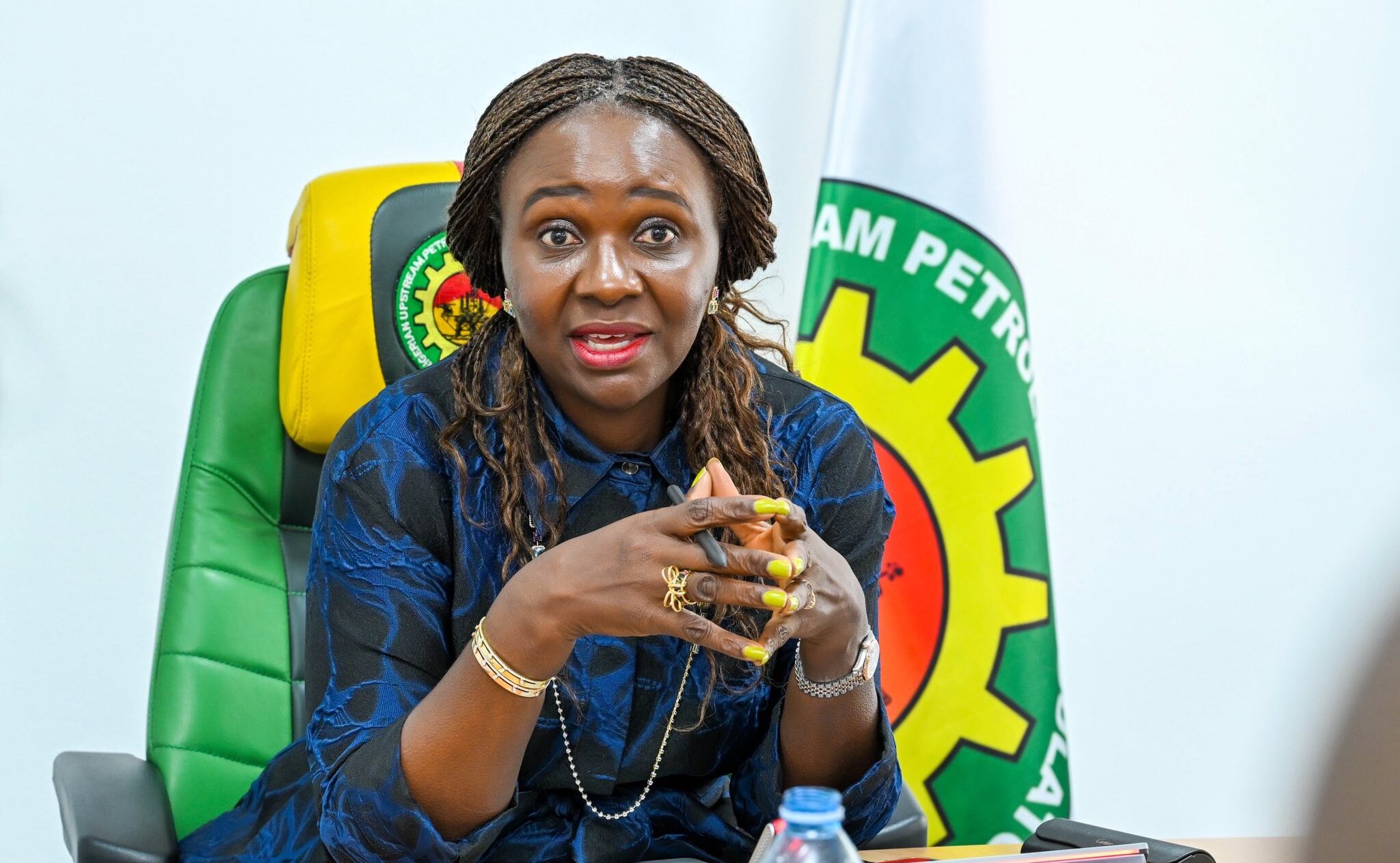
At the Society of Petroleum Engineers’ Nigeria Annual International Conference and Exhibition (NAICE 2026) in Lagos, NUPRC Chief Executive Oritsemeyiwa Eyesan said these approved plans will boost production, create jobs, improve infrastructure, and enhance Nigeria’s energy security.
Mrs. Eyesan was represented at the event by NUPRC’s Executive Commissioner for Development and Production, Enorense Amadasu. She noted that some of the approved FDPs have moved to Final Investment Decisions (FIDs).
"Since 2024, the NUPRC has approved over US$57 billion in Field Development Plans (FDPs), some of which have translated to Final Investment Decisions. Twenty-two major offshore projects are expected between 2026 and 2030, with an estimated investment potential of $30, 50 billion," she said.
"Beyond increasing production, these investments will create jobs, expand infrastructure, strengthen energy security, and reinforce Nigeria’s position as a leading global upstream investment destination."
Mrs. Eyesan added that Nigeria is working towards a strong energy future. This includes keeping a pipeline of exploration opportunities for long-term growth and energy security and developing its proven oil and gas reserves.
She mentioned that licensing rounds since 2022 have opened access to some of Nigeria’s most promising oil and gas areas. Mrs. Eyesan talked about the 2025 Licensing Round, where 31 companies won bids for 37 oil and gas blocks after a detailed, technology-driven evaluation.
She also said preparations are already in place for the 2026 Licensing Round. This round is expected to improve the transparency seen in recent bidding processes.
"With preparations already underway for the 2026 Licensing Round, Nigeria is showing that investment certainty is no longer just a dream; it is becoming a normal part of our regulatory system," she said.
Infrastructure and Security Issues
Mrs. Eyesan said that inadequate infrastructure still limits Africa’s energy potential, but Nigeria is taking steps to solve this issue.

She explained that the country is expanding gas gathering systems, processing facilities, pipelines, and export infrastructure. They are also promoting shared facilities, open access, third-party access, and field tiebacks.
These measures aim to cut project costs, speed up development, maximize the use of current infrastructure, and bring stranded oil and gas resources into production.
"We are expanding gas gathering systems, processing facilities, pipelines, and export infrastructure while promoting shared facilities, open access, third-party access, and field tiebacks to reduce costs, speed up project delivery, maximize the use of existing infrastructure, and help bring stranded oil and gas resources into production," she stated.
The NUPRC chief said better cooperation among government agencies, security teams, oil and gas companies, host communities, and private partners has improved the protection of critical energy resources.
She added that the Host Community Development Trust has helped strengthen Nigeria’s upstream petroleum sector. On July 21, the NUPRC announced that 31 companies won bids for 37 oil and gas blocks in Nigeria’s 2025 Licensing Round after a commercial bid conference in Abuja.
The NUPRC called the outcome significant, noting it is the first time Nigeria’s frontier basins, including the Benue Trough, Chad Basin, Anambra Basin, and Benin Basin, have attracted such strong investor interest.
At that time, Mrs. Eyesan said the assets on offer could add about 500 million barrels to Nigeria’s crude oil reserves. They could also unlock an additional 300,000 barrels of oil per day within the next three years.
"The assets available in the licensing round have the potential to add about 500 million barrels to Nigeria’s reserves. Today, our reserves stand at 37.01 billion barrels. We also expect that from this exercise, we will unlock about 300,000 barrels of oil production per day. We are looking at 37 assets that can come into production in the next three years."
She said the licensing round is key to Nigeria’s goal of increasing crude oil production to three million barrels per day by 2030. They also want to bring in more players across both small and large fields.
According to her, the commission is focused on not just increasing production but also producing "efficient barrels" that bring value to all stakeholders, including the government.

Drop your comment
No comments yet — be the first to drop the gist 👇