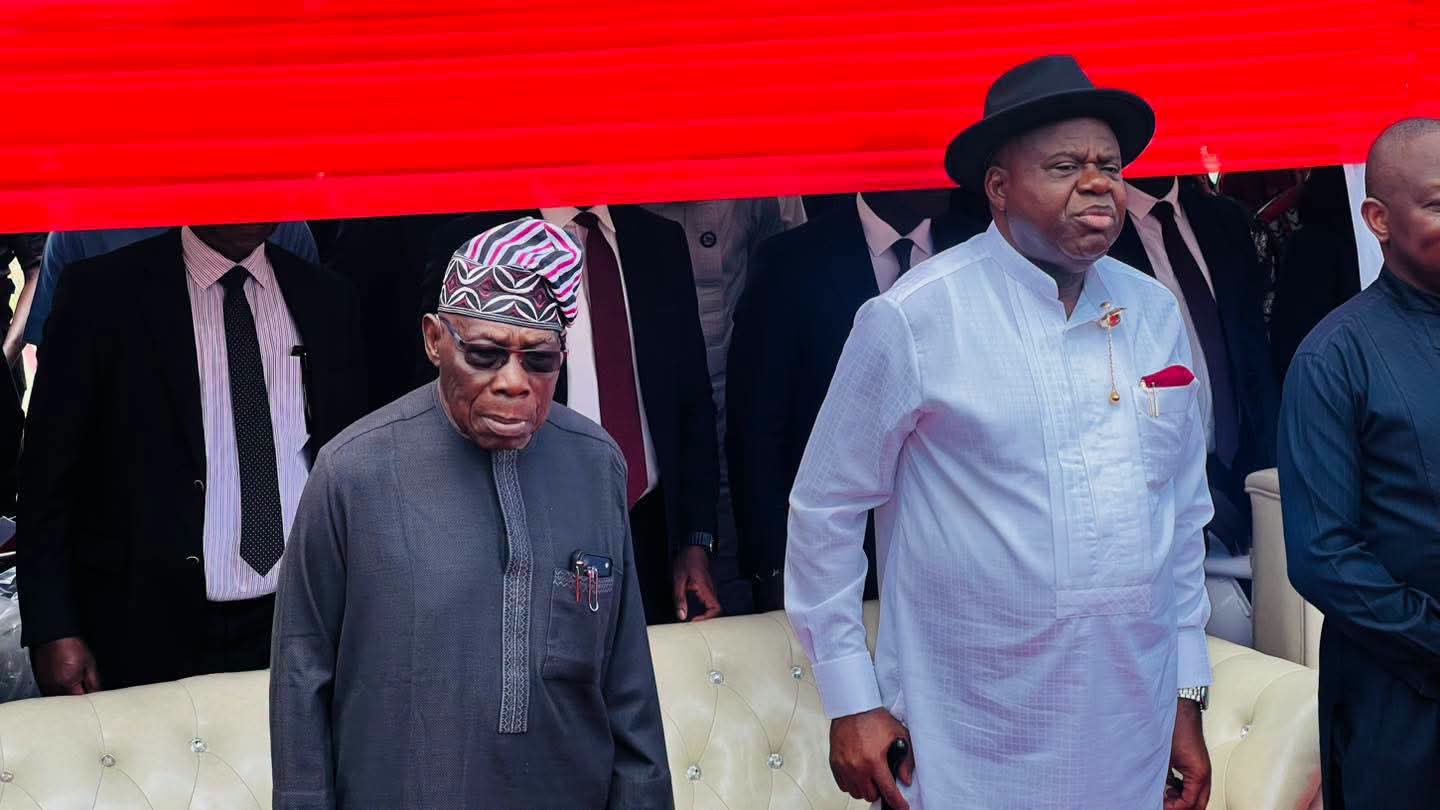
Former President Olusegun Obasanjo and Bayelsa State Governor Douye Diri are calling for a review of Nigeria’s 13 percent derivation allocation to oil-producing states. They believe the current setup has not given a fair share of the country's oil wealth to the Niger Delta region.
Obasanjo said the 13 percent allocation is just a starting point and not the final deal. He pointed out that oil-producing states and communities have not received a fair deal from the exploitation of resources in their areas.
"You are right that the states and oil-producing communities have not got a fair deal so far. Thirteen percent is the beginning. You can continue to talk," the former president said.
According to The Punch newspaper, Obasanjo made these comments on Monday at the launch of the $1 billion Azikel Refinery crude distillation unit in Obunagha, Yenagoa Local Government Area of Bayelsa State.
Governor Diri has also challenged how petroleum revenues are shared. He criticized the Land Use Act, stating that it puts oil-producing communities at a disadvantage by separating land control from the ownership of the resources beneath it.
These renewed demands highlight long-standing debates about resource control, fiscal federalism, and how communities that suffer environmental and social impacts from oil production benefit from the revenues generated.
The calls for a higher derivation allocation come amid ongoing discussions about how state governments in the Niger Delta use the significant revenues they already receive from the Federation Account.
Under Section 162(2) of the 1999 Constitution, the federal government must ensure that the principle of derivation is included in the revenue allocation from natural resources. This means at least 13 percent of revenue from natural resources in relevant states goes directly to the Federation Account.
But the debate about whether this share is enough is increasingly linked to issues of transparency, public spending, and whether oil-producing communities see real improvements in their living conditions.
Governors of oil-producing states have received large amounts of money through derivation and other allocations. Still, this money has not solved concerns about infrastructure, healthcare, education, environmental damage, and economic opportunities in many oil-producing areas.
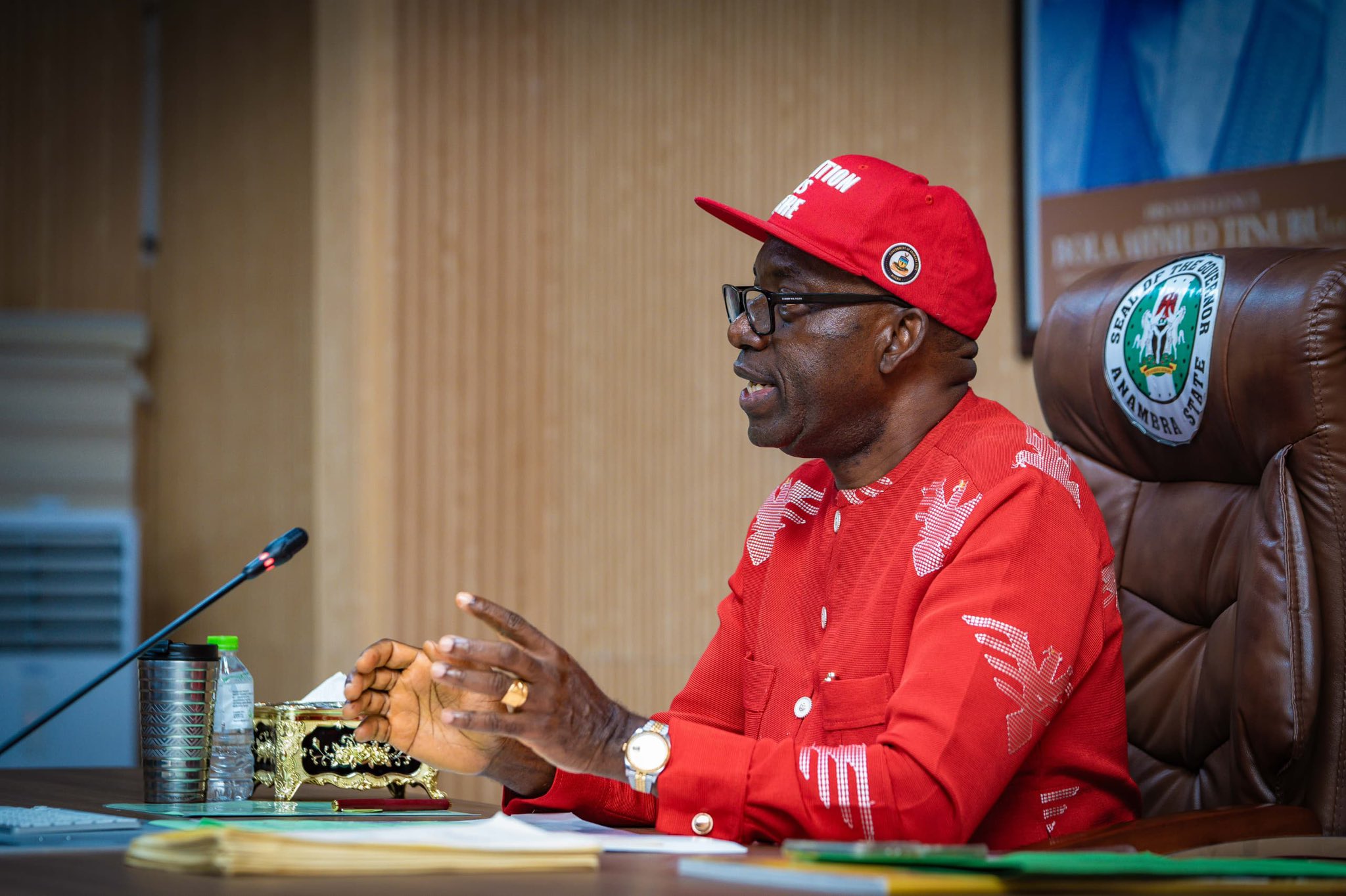
For example, in Akwa Ibom, Governor Umo Eno has recognized the significant revenue coming to his government under President Bola Tinubu. But there are still questions about whether the state’s spending reflects the level of funds received.
The demand for a larger share of oil revenue relates to how national wealth is divided between the federal and state governments. Questions about spending focus on how governments use the funds they have.
A higher derivation rate alone will not fix accountability issues unless it is paired with transparent reporting, effective public spending, and clear benefits for the communities where the resources are extracted.
The discussion also raises concerns about how much oil-producing communities are involved in decisions about how derivation revenue is used, rather than leaving it all to state governments.
Obasanjo's comments are significant because his administration faced one of the biggest disputes over oil revenue distribution. This was about whether revenue from offshore oil should count towards the derivation allocation for coastal states.
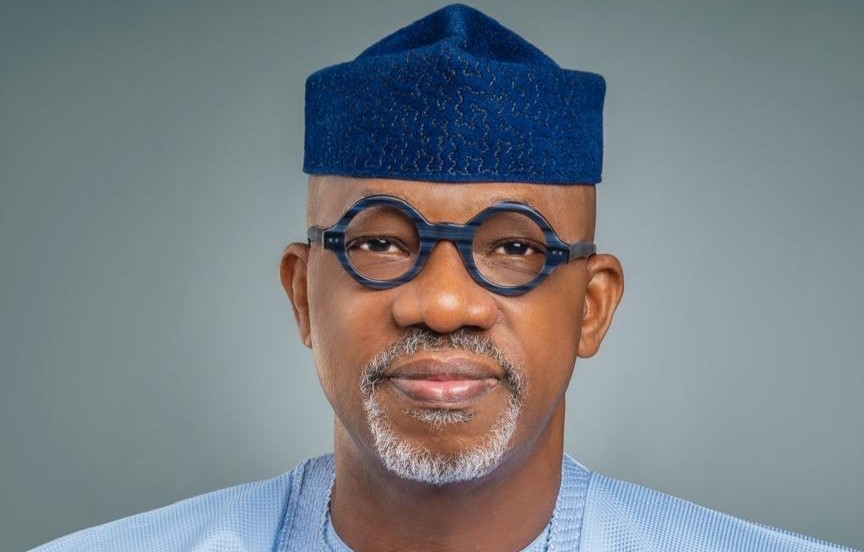
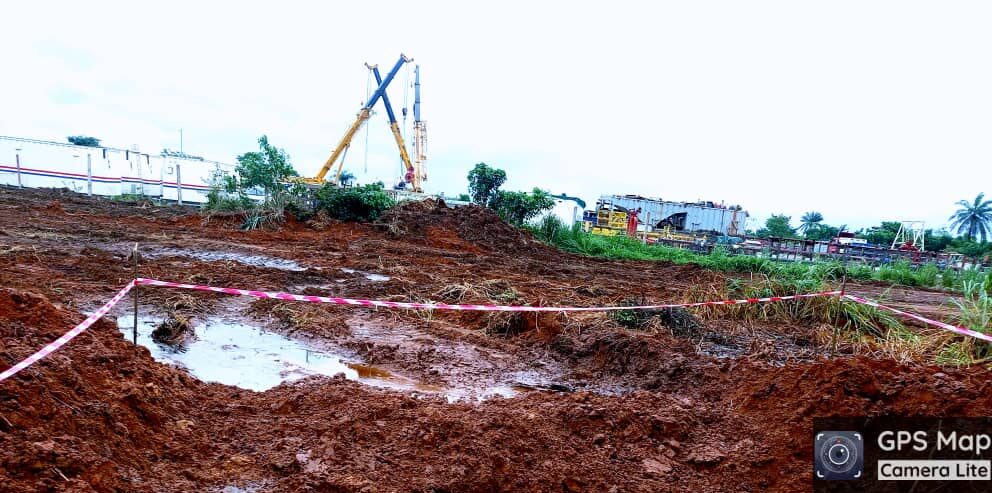
During his presidency, the federal government held that the 13 percent derivation principle did not automatically apply to offshore oil beyond territorial waters. This led to legal and political disputes with states like Akwa Ibom, Bayelsa, Cross River, Delta, Ondo, and Rivers.
In December 2001, the Supreme Court ruled that a littoral state’s boundary is the low-water mark of the landmass. This decision meant that offshore areas beyond this point were not included in the states' territories in the dispute.
This ruling faced strong backlash from oil-producing states, which argued they were being denied revenue from oil produced off their coasts. The National Assembly later passed the Allocation of Revenue (Abolition of Dichotomy in the Application of the Principle of Derivation) Act in 2004, which removed the offshore-onshore distinction in applying the derivation principle.
Even so, the dispute has left a lasting effect on the Niger Delta's fight for resource ownership, revenue sharing, and the relationship between the federal government and oil-producing states.
Obasanjo's recent comments show support for ongoing talks about the share allocated to producing states. Yet, his view of 13 percent as just a starting point does not offer a specific alternative percentage or plan to change the constitutional formula.
At the refinery event, Diri said the region's agitation comes from a long-standing imbalance between the communities producing crude oil and the areas benefiting from it.
"As people of the Ijaw ethnic nationality, we have protested and fought because we feel that God gave us something in our land, but we are not benefiting from it. Others are benefiting and see us as second-class citizens," he said.
The governor called the Land Use Act unfair, claiming its rules, alongside federal control over oil resources, limit host communities’ ability to manage their land’s resources.
"The Land Use Act is unfair. Surface resources belong to states but what lies underneath belongs to the federal government. That law is obnoxious and not good for any just society," he said.
Diri emphasized that the Niger Delta does not want to take all proceeds but desires a meaningful role in how the resources are managed.
"We do not want to take all to ourselves. We want to be co-players in determining how it is done. Thirteen percent is not enough for the states," he said.
The Land Use Act, created in 1978, puts land in each state under the governor's trust, to be used for all Nigerians, following the law’s rules. Ownership and control of petroleum follow different laws that give power to the federal government.
The governor’s remarks reflect a long-standing argument for resource control, calling for communities to have more say in decisions about land, oil extraction, environmental protection, and how economic benefits from oil production are shared.
Drop your comment
No comments yet — be the first to drop the gist 👇