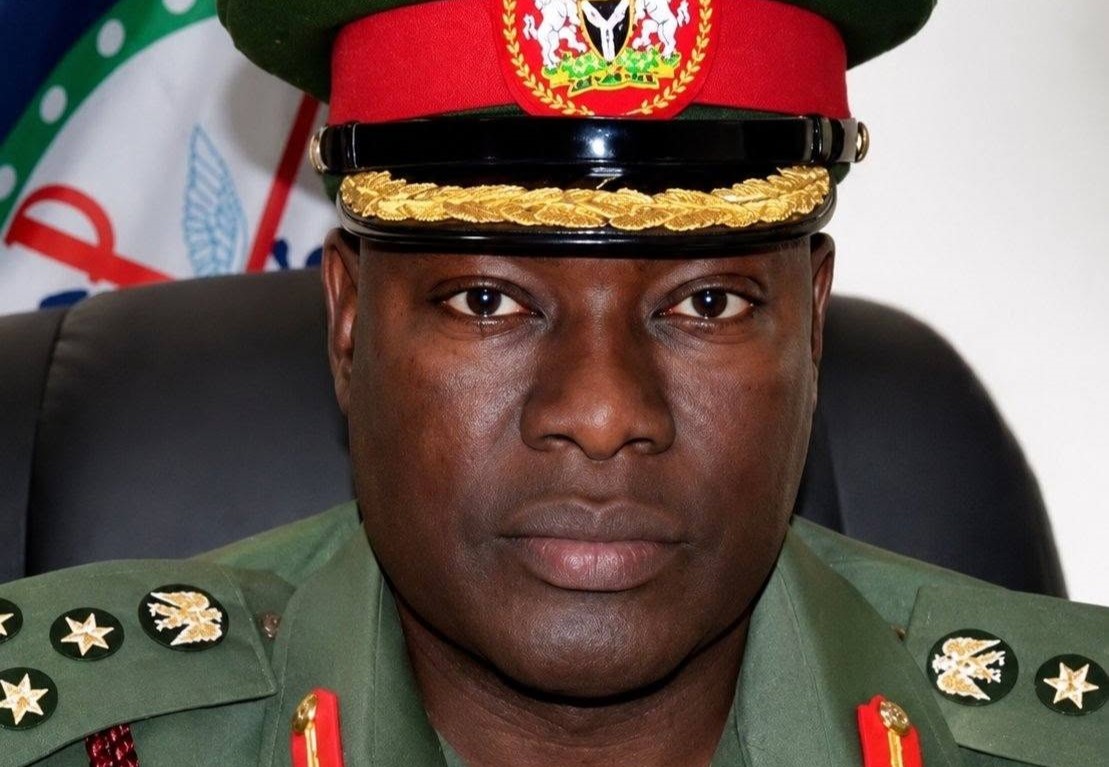
For many years, Rabe Abubakar, a major-general in the Nigerian Army, spoke to the public about jihadists, bandits and other terrorists causing trouble across the country.
He highlighted military successes, explained challenges, countered claims and assured worried Nigerians that the military was winning the fight.
In death, the former military spokesperson found himself back in the spotlight of the insecurity that marked his final days in service.
To many Nigerians, he was one of the most recognized voices in the country’s security sector during the height of the Boko Haram insurgency.
He appeared on television when soldiers reclaimed areas from terrorists. He defended the military when international groups accused it of rights abuses. He challenged critics, disputed reports and urged Nigerians to keep faith in the armed forces, a tradition his successors have followed.
Yet Mr Abubakar’s story was not just about military communication. It was about a soldier speaking for an institution fighting one of the toughest wars in Nigeria’s history, an insurgency that now affects the Lake Chad region.
Early life and military career
Mr Abubakar was born on 7 April 1965 in Batsari Local Government Area of Katsina State. Although biographies say he earned a Bachelor of Arts degree in History before joining the Nigerian Army, the specific university he attended is not confirmed.
The late general built his career mostly out of the public eye. Before becoming the defense spokesperson, he served in the military for years, moving up the ranks and taking on various command and administrative roles.
He was the Coordinator of the Joint Media Centre at the Headquarters of the Joint Task Force in the Niger Delta, Commandant of the Nigerian Army School of Public Relations and Information (NASPRI) in Lagos, and Executive Director of Corporate Affairs at Nigerian Army Welfare Limited.
Mr Abubakar took part in several professional and military courses, including the Company Amphibious Course at the National Defence College in China. Outside of military life, he liked jogging, badminton and reading. He was married and had children.
By the time he became Director of Defence Information in August 2015, he was a seasoned officer ready for a sensitive public-facing role in the military.
His appointment came at a crucial time. Nigeria was ramping up military operations against Boko Haram, while public trust in security agencies was shaky, and the Defence Headquarters needed a spokesperson who could explain military strategy and handle public expectations.
When he took office, he stressed the need for cooperation among security agencies, the media and citizens in fighting terrorism. He often said that the battle against insurgency was not just a military issue but also an information battle.
"You know that terrorists thrive on information and hence there is also the need to bring a counter communication and information strategy," he stated.
His arrival came during the early days of President Muhammadu Buhari’s administration, when military leaders aimed to show renewed strength against Boko Haram after years of serious attacks in the North-east.
In the following months, Mr Abubakar became one of the military’s most visible figures. Daily briefings, press statements and media appearances made him a prominent national figure.
Mr Abubakar, who took over from Major General Chris Olukolade as defense spokesperson, left that position in March 2017 and handed over to John Enenche.
He was later moved to the army headquarters before retiring from service.
The years of Boko Haram
His time as spokesperson came during a key phase of Nigeria’s fight against Boko Haram.
Military operations succeeded in reclaiming several areas previously held by the insurgents, including Bama, Banki, Baga, Gwoza and Dikwa. Sambisa Forest, seen as a stronghold of Boko Haram, came under heavy military pressure. Many camps were destroyed, and authorities reported rescuing abductees and fighters surrendering. Still, a large part of the forest remains under the control of terrorists.
His job was often tough. Every military victory faced fresh attacks, suicide bombings and reports of civilian deaths. Nigerians wanted proof that the insurgency was really weakening, while military leaders aimed to keep morale and public trust high.
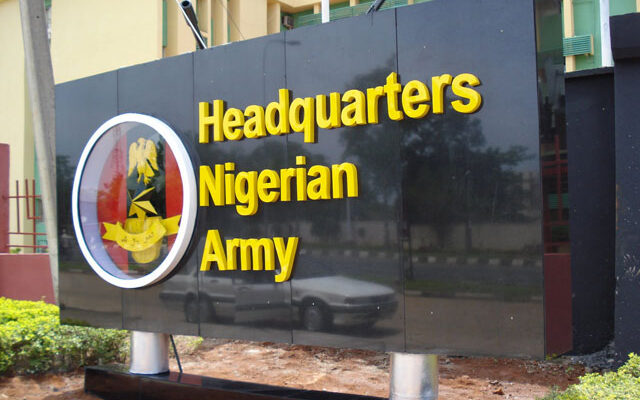
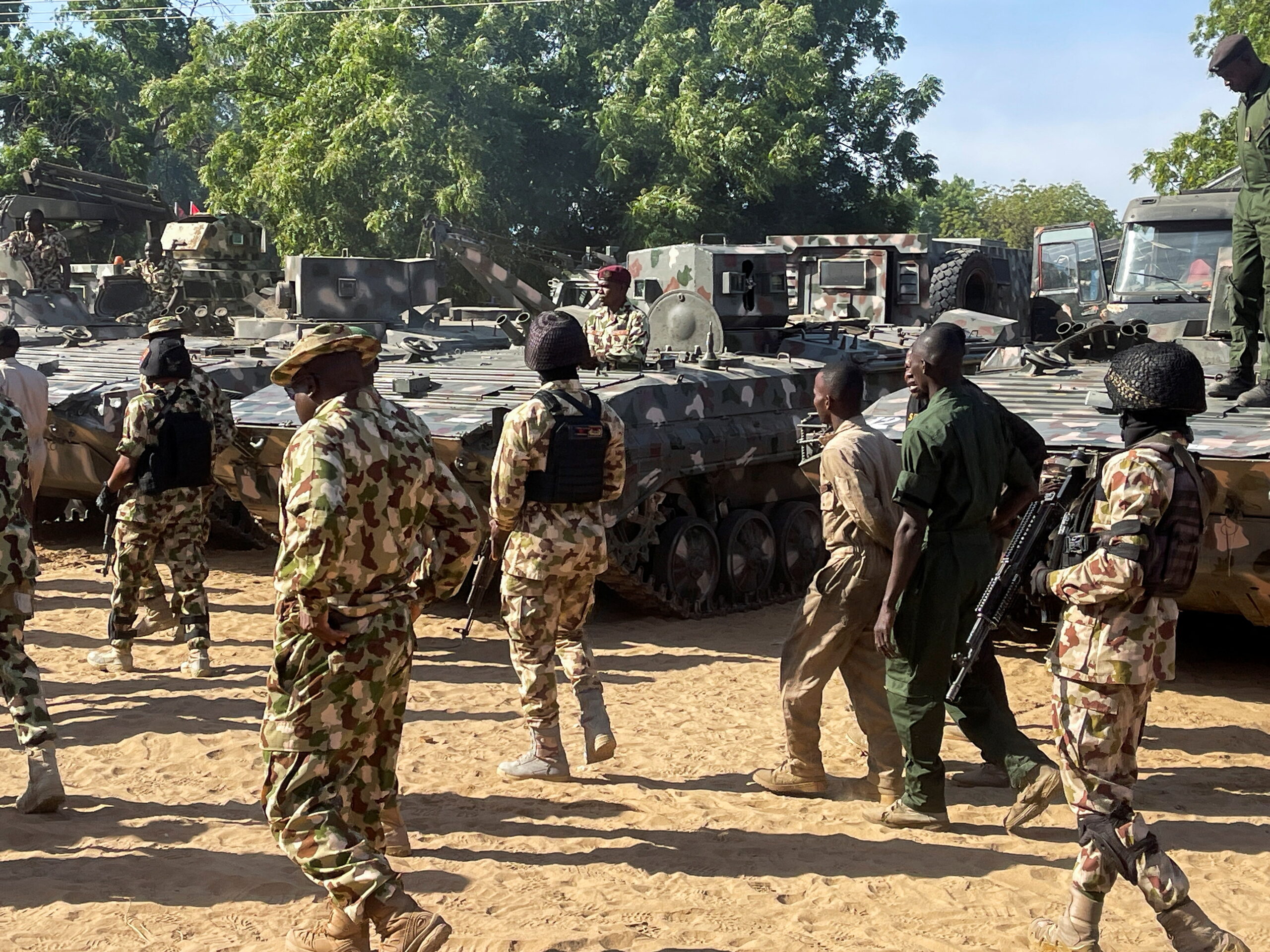
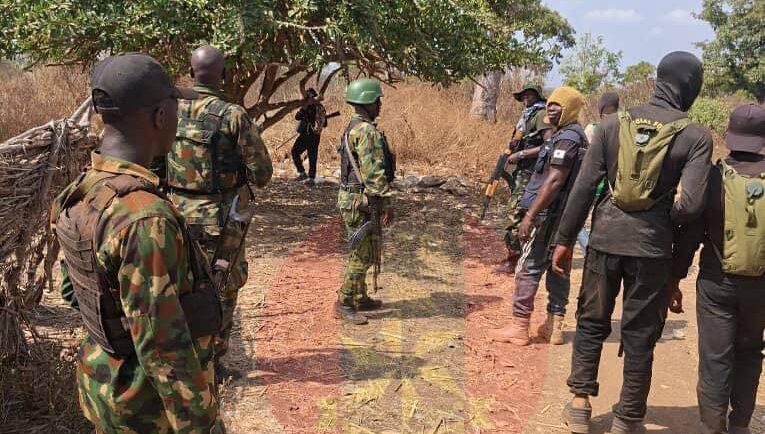
No statement better captured this challenge than his repeated insistence that Boko Haram had been effectively defeated.
Statements that shaped public perception
Several statements made by Mr Abubakar defined his time as defense spokesperson.
One was the government’s claim that Boko Haram had been "technically defeated."
Echoing President Buhari and military leaders, Mr Abubakar argued that the insurgents had lost their ability to hold territory and fight like a regular army.
In October 2016, he described ongoing attacks as "the last kicking of a dying group," insisting that the terrorists no longer posed the same threat.
This statement drew a lot of attention. Supporters pointed to military successes in the North-east as proof that the claim was valid. Critics argued that suicide bombings and attacks on civilians showed Boko Haram was still dangerous despite losing territory.
Another important part of his public communication was his belief that terrorism thrived on media coverage. He often urged journalists to be careful when reporting on insurgent activities, claiming that sensational stories sometimes helped terrorist propaganda.
A third common theme was his defense of military professionalism. Whenever allegations of misconduct by troops emerged, Mr Abubakar maintained that the armed forces followed established rules and were committed to protecting civilians.
These statements made him both respected and controversial, depending on who you asked.
Controversies and criticisms
Mr Abubakar’s role naturally put him at the center of controversy.
One significant dispute came from reports by Amnesty International claiming human rights abuses by Nigerian troops during counter-insurgency operations.
The group accused military leaders of unlawful killings, arbitrary detentions and poor conditions in detention, especially at Giwa Barracks in Maiduguri.
Mr Abubakar rejected these accusations, linking Amnesty to terror groups. The rights group responded by defending its findings and challenging parts of Mr Abubakar’s statements.
This disagreement showed the ongoing struggle between security needs and human rights that marked much of Nigeria’s counter-insurgency efforts.
Mr Abubakar also defended the military’s stance on the 2015 killings of Islamic Movement in Nigeria (IMN) members. While rights groups condemned the killings, military leaders said soldiers acted in response to a security threat.
For critics, Mr Abubakar often seemed too eager to defend official positions. For supporters, he was just doing his job: representing and defending the institution he served.
Death and legacy
The circumstances of Mr Abubakar’s death have brought public attention back to a man whose career was tied to discussions of insecurity and national defense.
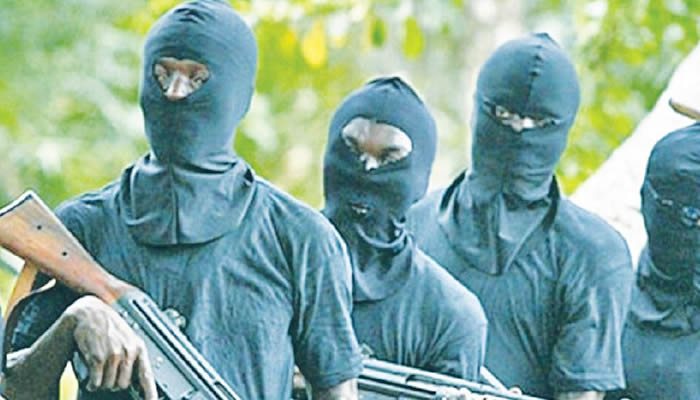
The retired military officer was kidnapped alongside his wife, Amina, on 30 May while traveling along Marabar Musawa-Kafinsoli road in Matazu Local Government Area of Katsina State.
On Saturday, the Katsina State Government announced that he died in the hands of his captors, with Governor Dikko Radda calling his death a "dark moment" for Katsina and Nigeria.

Drop your comment
No comments yet — be the first to drop the gist 👇