Global oil prices increased for the second day in a row on Tuesday. This is due to worries about supply issues in the Middle East. There is still uncertainty over the efforts to end the conflict between the United States, Israel, and Iran.
The stalled talks and rising geopolitical tensions have raised fears about long-lasting disruptions to crude oil exports and shipping routes in the region. This has created concerns about the recovery of global oil supplies, even though there were hopes for a ceasefire.
Brent crude futures climbed by $1.49, or 1.4 percent, reaching $106.77 per barrel by 0326 GMT. Meanwhile, US West Texas Intermediate (WTI) crude increased by $1.34, or 1.5 percent, to $93.94 per barrel, according to Reuters. Both benchmarks had also closed the previous day nearly $1 higher.
The ongoing rise in crude prices shows how sensitive the market is to events in the Middle East. Oil prices are trading between about $104 and $108 per barrel due to constant supply worries and geopolitical uncertainty.
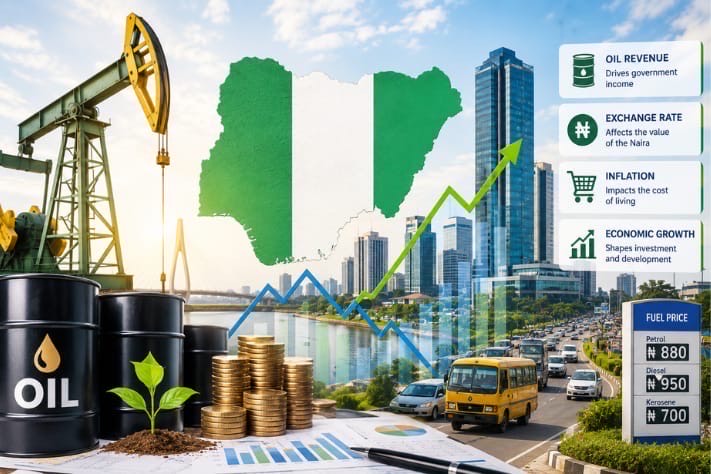
For Nigeria and other African countries, these ongoing supply issues pose serious economic risks. Higher global crude and refined petroleum prices are pushing up domestic energy costs, transport expenses, and inflation.
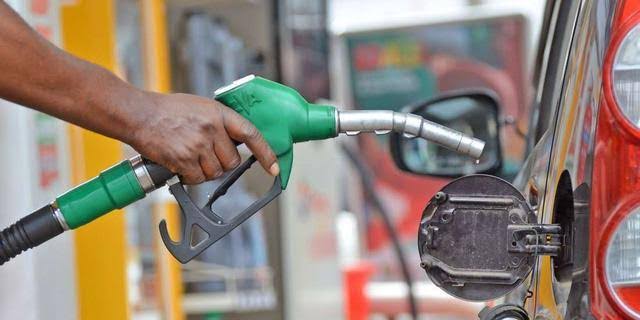
In Nigeria, the rise in international oil prices has led to higher costs for petrol, diesel, and aviation fuel. This is putting more pressure on households, businesses, and the aviation sector.
There are also fears about possible disruptions to air travel. Aviation workers' unions are threatening to go on strike due to rising operating costs.
In some parts of Nigeria, petrol prices have shot up to almost N1,500 per litre, from between ₦1,200 and N1,300. This increase follows an earlier ceasefire agreement and reflects renewed market uncertainty as negotiations stall.
The higher fuel costs are likely to increase pressure on transportation and food prices. This will worsen the cost-of-living issues facing many Nigerian families.
Although the government is rolling out compressed natural gas (CNG) buses and other measures to ease transport costs, the continued rise in fuel prices remains a big challenge for both businesses and consumers.
Tim Waterer, chief market analyst at KCM Trade, said the boost in crude exports from the Gulf has not yet led to a full recovery in supply efficiency. Producers are still depending on alternative shipping methods.
"A clearer picture is emerging of higher oil export volumes leaving the Gulf, but much of that increase still relies on workarounds such as ship-to-ship transfers," Mr Waterer told Reuters.
"Those methods are less efficient and more costly than normal operations, which is why crude prices remain high."
Preliminary data from Kpler shows that crude exports from major Middle Eastern producers rose to 12.8 million barrels per day in September, the highest since February. This increase is supported by more shipments from Saudi Arabia and the United Arab Emirates.
At the same time, US and Iranian officials have been having separate talks with mediators to try to end the seven-month conflict, according to officials from both sides.
Further discussions are expected to focus on a revised version of a seven-day proposal that Iran presented last week at the United Nations General Assembly.
But uncertainty over the outcome of these diplomatic efforts continues to fuel worries about global energy supplies and inflation.
"The main risk is still the US-Iran standoff and its effects on energy prices and inflation expectations," analysts at United Overseas Bank (UOB) said in a note to clients.



Drop your comment
No comments yet — be the first to drop the gist 👇