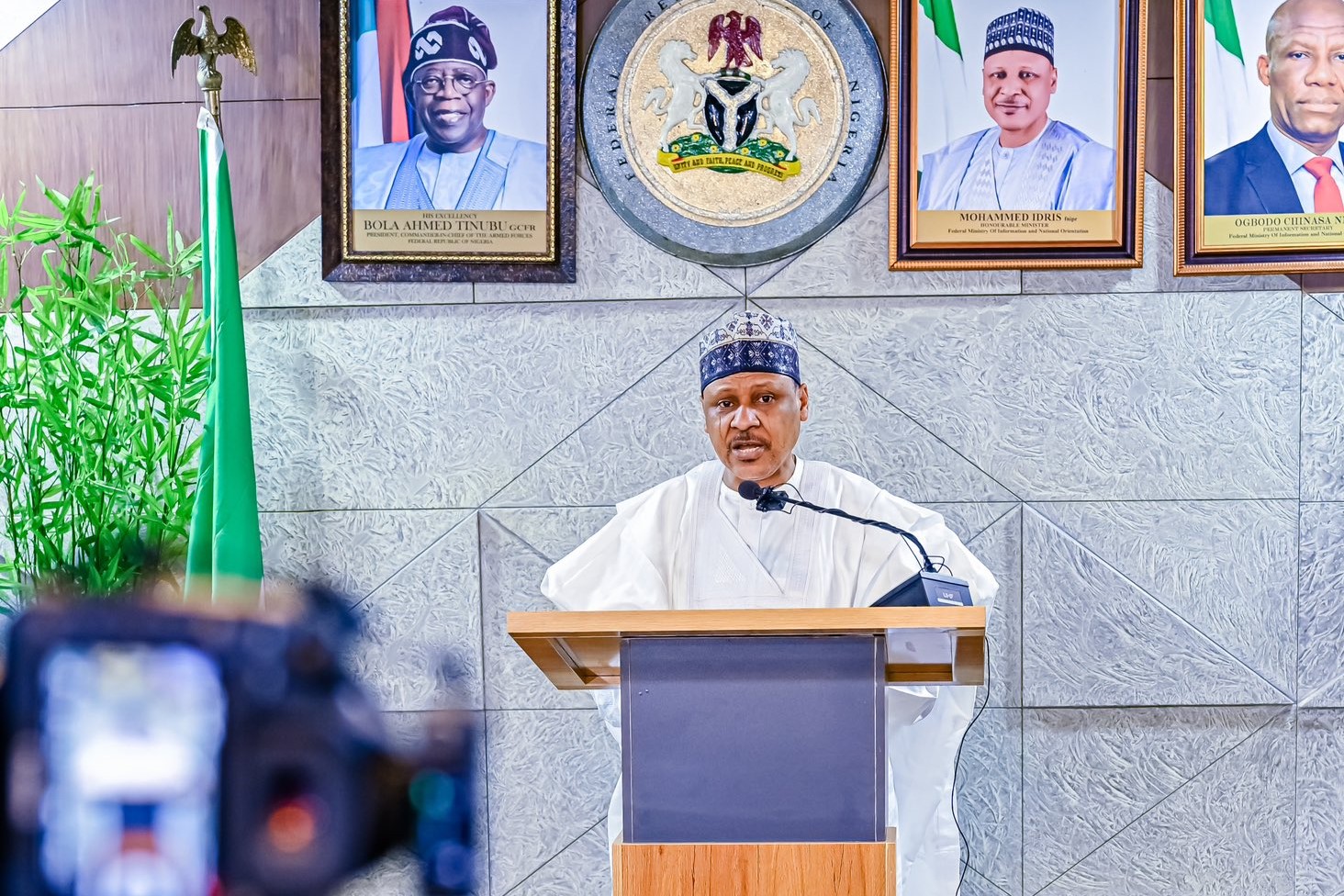
Nigeria's Presidential Compressed Natural Gas (CNG) and Electric Vehicle Initiative has drawn about $2.5 billion from private investors. The government has also committed around N250 billion in funding, according to the Minister of Information and National Orientation, Mohammed Idris.
Mr Idris stated that over 120,000 vehicles have been converted under this scheme. There are more than 400 certified conversion centres and over 90 refuelling stations set up across the country. He added that another 180 refuelling stations are currently being developed.
He noted that the initiative is creating jobs and business opportunities in local communities. The federal government aims to lower transportation costs and diversify the economy.
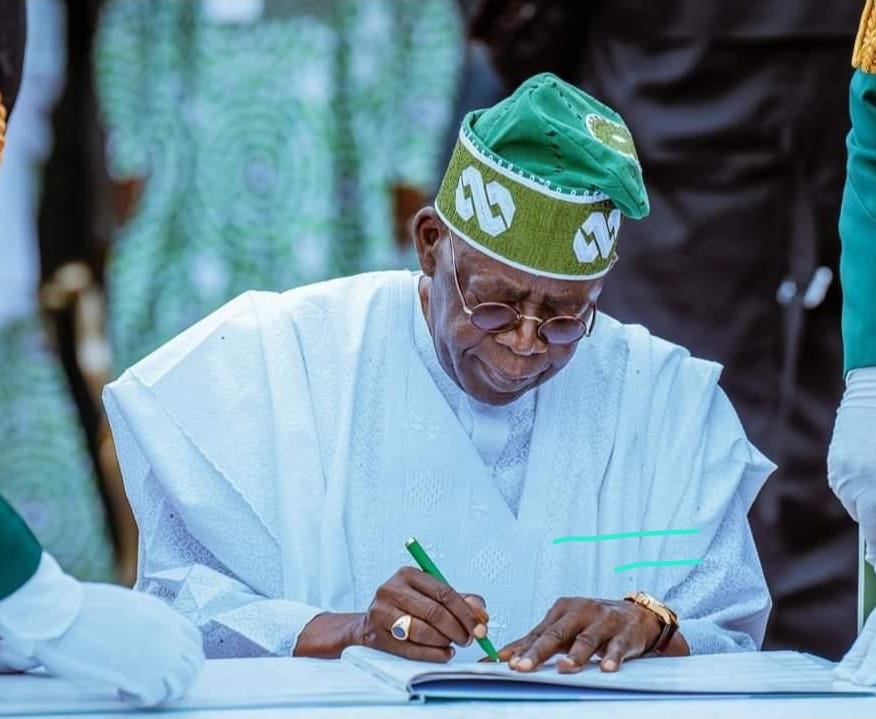
The CNG programme started after President Bola Tinubu ended the petrol subsidy in May 2023. This decision led to higher transport costs and put more pressure on Nigerians. The government then pushed for CNG as a cheaper option, especially for commercial transport.
But the cost of converting vehicles has made it hard for many drivers. They want to cut down on fuel costs but face significant expenses.
Converting petrol-powered vehicles to CNG can cost between N750,000 and N2.5 million. The price varies depending on the vehicle and engine. This upfront cost is tough for drivers already dealing with higher operating costs.
In September, Nairametrics reported on the difficulties faced by drivers who switched to CNG. These issues included lack of refuelling stations, long queues, and lost working hours.
The minister shared these investment figures during a discussion with senior editors and journalists on Monday. He talked about the government's economic reforms and their effects on key indicators.
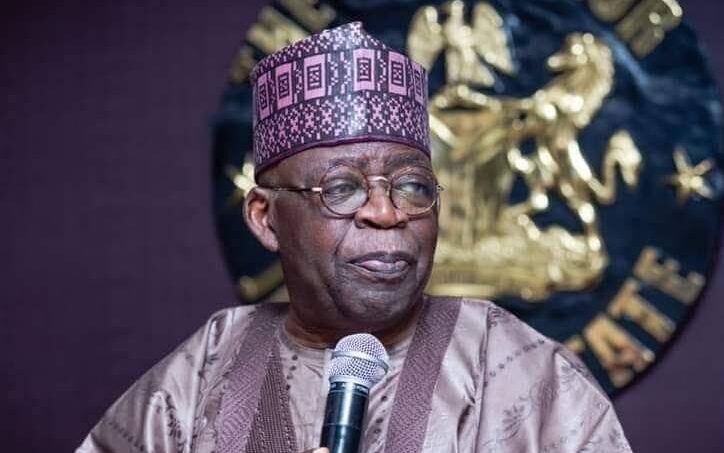
He mentioned that Nigeria's inflation rate has dropped from about 27 percent in January 2025 to around 15 percent now. Also, Nigeria's external reserves exceeded $54 billion in September, the highest in nearly 20 years.
The economy is expected to grow by over 4 percent in 2026, while Nigeria's current account surplus increased to $12 billion in the first half of 2026. This is up from $8.6 billion during the same time in 2025, according to the minister.
Mr Idris said these improvements are due to the government's economic policies. He believes the reforms are helping to stabilize the economy, boost confidence, and create opportunities for growth.
"The macroeconomic numbers have turned the corner, and I would ask that we always look at what they mean beyond the headlines," he said.
Still, he recognized that many families are struggling with the cost of living. He said the government's goal is to make sure that better economic indicators lead to improved living conditions.
"Our commitment is to ensure that stronger economic indicators translate into more jobs, more productive businesses, more affordable essential services and greater purchasing power for Nigerian families," he said.
"The reforms are strengthening our economic fundamentals, rebuilding confidence and creating the conditions for broader prosperity. We are determined to consolidate these gains and accelerate their impact across the country."

Drop your comment
No comments yet — be the first to drop the gist 👇