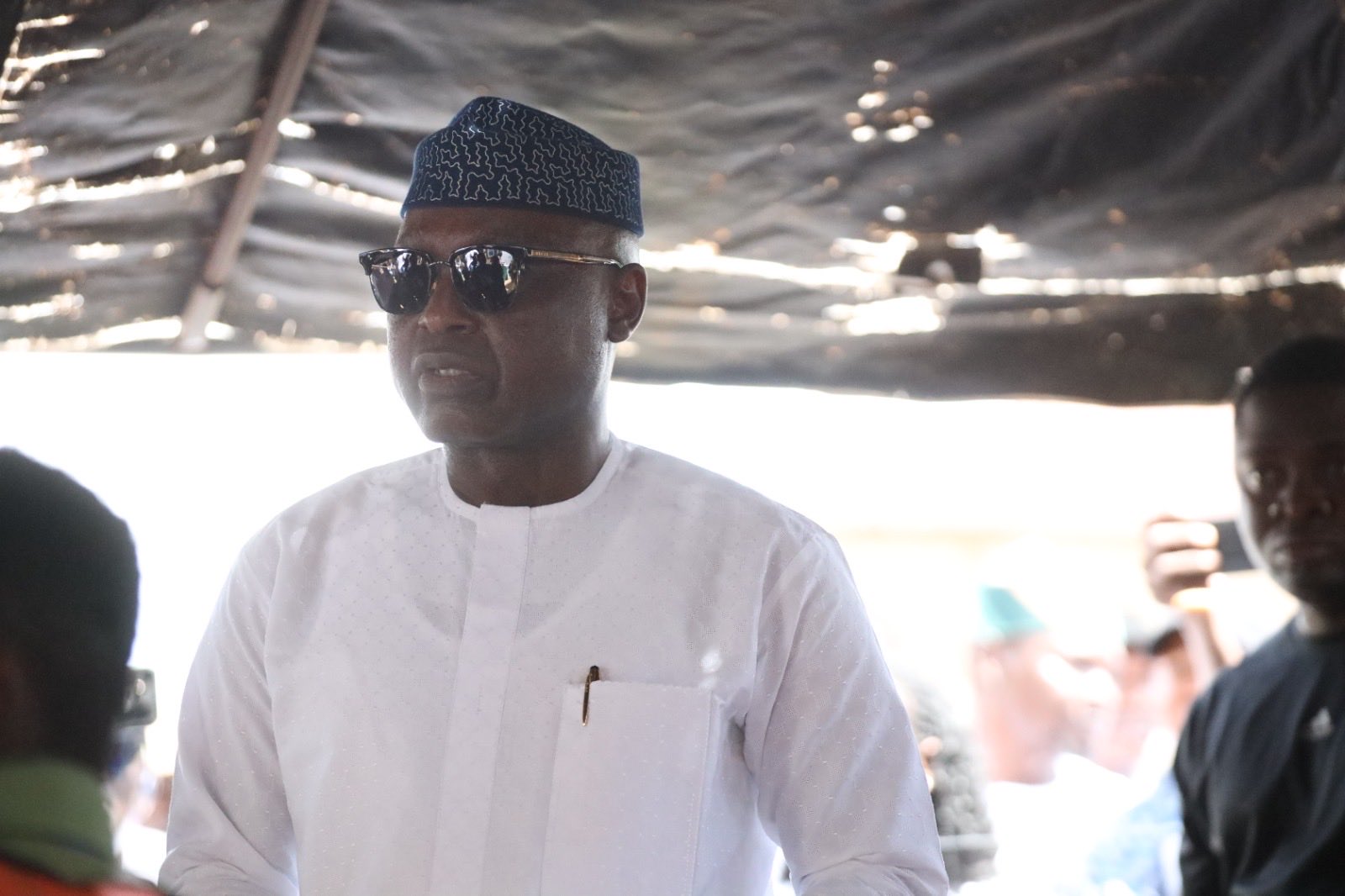
Governor Biodun Oyebanji of the All Progressives Congress (APC) has been re-elected as the governor of Ekiti State. He beat 13 other candidates to reinforce his political strength in a state known for unpredictable elections.
The Independent National Electoral Commission (INEC) declared Mr Oyebanji the winner of Saturday’s governorship election after he got the highest number of valid votes from the state’s 16 local government areas.
According to the results announced by INEC, Mr Oyebanji got 319,224 votes. His closest rivals were Oluwole Oluyede of the Peoples Democratic Party with 40,533 votes and Dare Bejide of the African Democratic Congress with 2,872 votes.
This victory gives the governor another four years in office. He becomes the first Ekiti governor to win consecutive elections in a state where sitting governors often lose their positions.
Breaking Ekiti's Political Norm
Since 1999, Ekiti State elections have often changed leadership. This has made the state one of Nigeria’s toughest political arenas.
Former Governor Kayode Fayemi won a second term in 2018, but he did so after leaving office and returning through a different election cycle. He did not win immediate re-election as an incumbent.
Mr Oyebanji’s win is a notable achievement, especially given the strong competition from opposition parties during the campaign.
Political analysts saw this election as a crucial test of the APC’s popularity in the South-West ahead of the 2027 general elections.
Mr Oyebanji campaigned mostly on continuing the work he started in his first term. He highlighted progress in infrastructure, education, healthcare, agriculture, and investment.
He became the APC candidate after his only challenger in the primary stepped down and supported him.
Throughout the campaign, he kept urging voters to back ongoing projects and promised to boost economic growth and social welfare if re-elected.



Challenges from Opposition
The election had candidates from 13 other political parties.
The main challengers included the PDP’s Oluyede and the ADC’s Bejide. Other candidates came from the Labour Party, Accord Party, New Nigeria Peoples Party, Action Democratic Party, Action Alliance, Allied People’s Movement, People’s Redemption Party, Young Progressives Party, Zenith Labour Party, and Action Peoples Party.
Despite the large number of candidates, results monitored by PREMIUM TIMES showed the APC leading in nearly all areas of the state.
When announcing the results, INEC said it had accredited 384,940 out of 988,251 registered voters. Out of the 382,109 votes cast, the total valid votes were 375,777.
Election Process
The election took place in 2,445 polling units across the state’s 16 local government areas, with heavy security in place.
Before the election, political leaders, including President Bola Tinubu and Governor Oyebanji, urged voters and party supporters to keep the peace and avoid any violence.
INEC assured residents that preparations were in place, including timely distribution of election materials and deployment of personnel.
With the results now announced, attention will turn to reactions from opposition parties and plans for the governor’s second-term inauguration. For Mr Oyebanji and the APC, this win is not just another victory but also a solid confirmation of their political strength in a state where incumbents often find it tough to win.



Drop your comment
No comments yet — be the first to drop the gist 👇