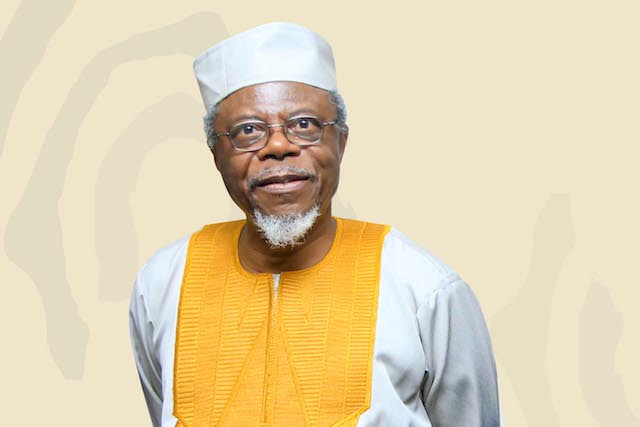
At its core, the question "Whose History?" is about power. Who gets to record history? Who gets to keep it? Who decides how it is classified? Who interprets it? Who teaches it? And who defines what future generations will remember? These questions are not just theoretical. They affect how societies see themselves and how they plan for the future. The historical archive is a political space because controlling memory can shape identity.
I was impressed by the young crowd that showed up for my lecture on archives on 6 October. It was hosted by the G.A.S. Foundation in Lagos as part of the MOWAA in Residence fellowship. I can't go into detail about this public lecture, which sparked many questions and discussions.
Before we look at history in an archive, we need to understand the history of the archive itself. This isn't just about ownership. It's a bigger question of power, memory, representation, evidence, silence, and authority. When we want to find Africa's history in an archive, it’s easy to see it just as a place for facts. But an archive is much more than that. It represents a construction of history, a selection of what someone thought was important enough to collect, keep, sort, and share. It is not a neutral construction.
An archive always reflects its historical background, institutions, technology, politics, and power structures. Every document has an author, a purpose, and an audience in a specific historical context. A colonial report, a letter from a missionary, a government memo, newspapers, court documents, photos, or museum lists do not show the whole past. They show us a version of the past. For African scholars, it’s wise to ask not only, "What does this document tell us?" but also, "Who wrote it? Why was it made? What power dynamics were at play?" This matters because history is always linked to the environment that creates it.
This issue becomes even more critical when we look at colonial archives. Colonial governments gathered huge amounts of information about African societies. This information included details on taxes, farming, education, labor relations, migration, religion, politics, conflicts, population movement, and resistance. This data is essential for reconstructing African history. But it was mainly collected to manage African populations. In these documents, Africans were often labeled as subjects for classification and control, not as authors of their own history. Terms like "native," "tribe," "custom," "chief," "primitive," and "civilised" were not neutral. They were used by colonial powers to make African societies easier to control and understand. Colonial documents can tell us about Africa but also about how colonial powers viewed Africa.
This is why African studies and historians like me matter to anyone interested in African archives. In my previous work on Nigeria's colonial archives, I pointed out that we shouldn't see these archives as just data stores. They are products of a particular system of knowledge and power. Treating colonial archives alongside other views shows we need to consider official archives with other forms of African memories, like oral history, traditional beliefs, rituals, and chronicles. It’s not about ignoring colonial archives but looking at them in a broader context.
As often suggested, this requires us to read against the grain. We need to go beyond the obvious meaning and uncover the voices, experiences, political thoughts, and histories hidden in the text. A colonial official might call a people's protest a "disturbance." But the historian should ask, disturbance for whom? What caused it? Was it because of tax, land loss, labor abuse, political exclusion, religious conversion, or protest against a new system? Maybe the language of officials turned politics into administration. The official language might hide the political awareness of the people being discussed. The archive reveals much more when we examine its assumptions, contradictions, and what it leaves out. Sometimes, what a document does not say is just as important as what it does.
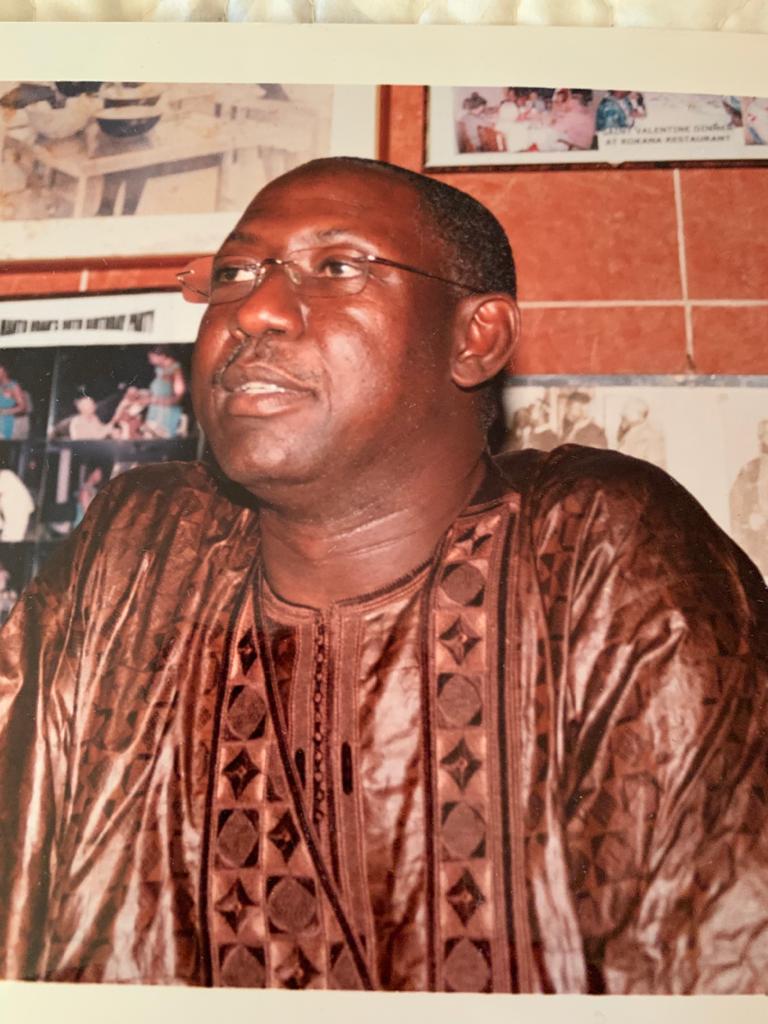
We need to rethink what we mean by an archive. An archive isn't just a room full of papers. A family album can be an archive. A traditional ruler's palace can hold an archive. A photo can keep a history that isn't in government files. Songs can hold political memories that last through generations. Monuments show how a society understands its past. Museum items tell us about technology, religion, art, social structure, and identity.
This approach connects directly to broader concerns about the sources and methods of African history. Past works like Sources and Methods in African History: Spoken, Written, Unearthed, edited with Christian Jennings, are helpful because they include different types of evidence in building African history. This method is important. We cannot build African history solely on colonial documents. Every archive has its gaps. So, we need to think about what's stored and who is missing. Where are the women whose lives were not seen as important? Where are the rural folks who couldn't write? Where are the workers, migrants, artisans, children, minorities, dissidents, and everyday people? The absence of a group in an archive doesn’t mean they weren't significant. It might just reflect the priorities of the institution.
We must avoid the dangerous assumption that a lack of evidence means a lack of history. This is where oral history matters. African societies have passed down knowledge through oral traditions, genealogies, praise poetry, songs, proverbs, rituals, performances, and storytelling. Not writing something down doesn’t mean it has disappeared from memory. Oral traditions can capture parts of African experiences that official archives miss. Here, examining indigenous knowledge and oral traditions in Nigeria becomes valuable.
First, we should treat oral traditions as important historical sources and ways to remember the past. This shows that African historical studies need to consider the knowledge systems African societies use to remember their history. But we shouldn't idealize oral history. Memories can change; people often forget, misinterpret, or reshape them based on current needs. Some events matter more to families, while others fade away. Communities may create different versions of the same event. Political factors shape memory, just as they shape written records. The answer is not to replace oral traditions with written archives but to let them talk to each other. Differences between official documents and oral history should not be seen as problems. They can be fruitful points for historical analysis.
We need to rethink what we mean by an archive. An archive isn't just a room filled with files. A family album can be an archive. A traditional ruler's palace can hold an archive. A photograph can capture a history missing from government papers. Songs can serve as a storage for political memories across generations. Monuments show how a society understands its past. Museum items provide insights on technology, religion, art, social structure, and identity. Buildings, fabrics, recordings, films, maps, court documents, family archives, and even digital materials can all serve as historical evidence. This broader view of the archive connects to questions about what counts as valid knowledge and explores other forms of memory, expression, imagery, and indigenous thought. Making this shift is vital, not just for political reasons but also for methodology. If knowledge can take many forms, historians need to recognize them.
The goal of researching African archives is to return agency to African history. Africans were not just victims of colonialism or subjects to be governed and studied. They were thinkers, diplomats, traders, politicians, entrepreneurs, intellectuals, priests, artists, farmers, builders, negotiators, and resistors. So, studying African history is not just about colonialism's effects on Africa. It’s also about how Africans reacted to colonialism, what institutions and ideas existed before colonial rule, and how they imagined their futures. This is why archives should not be limited to public buildings. Historical knowledge should reach schools, museums, communities, media, documentary filmmakers, writers, and especially the youth. Archival documents can be turned into exhibitions, documentaries, web pages, educational materials, community histories, and dialogues. It’s about changing archival research from a purely academic task to a conversation across time.

Drop your comment
No comments yet — be the first to drop the gist 👇