Government is judged by how well it improves people's lives, not just by the number of projects it announces. Good governance must address basic needs like food, shelter, healthcare, education, and security.
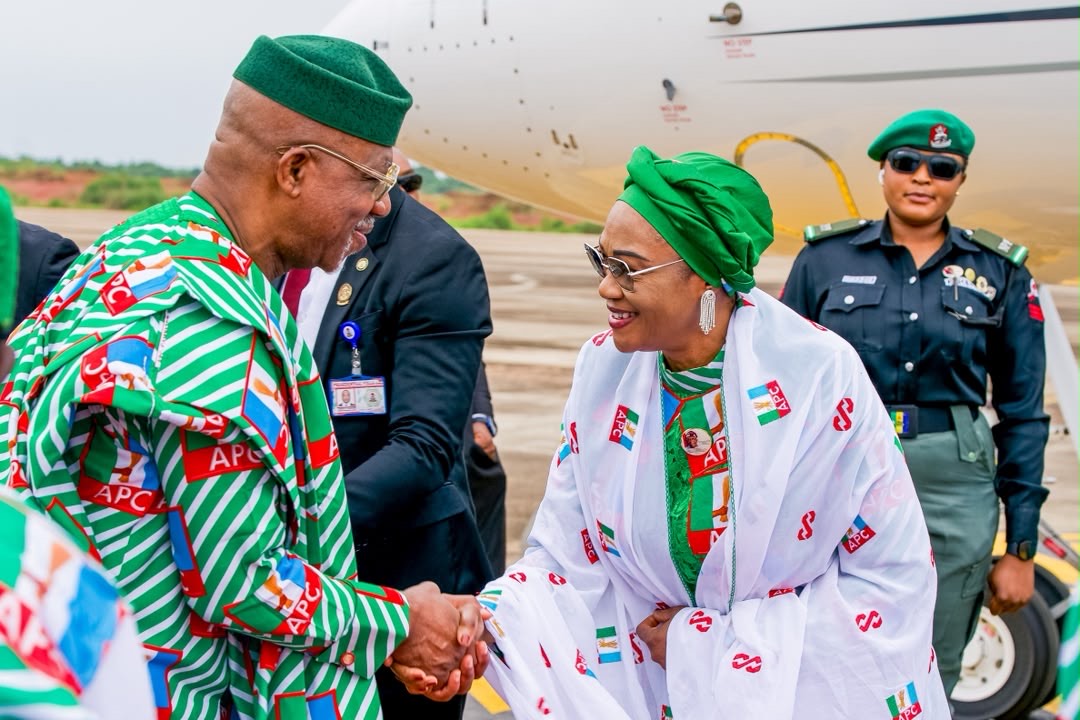
This was the main point of Nigerian First Lady Oluremi Tinubu’s visit to Ogun State on Tuesday, 18 August 2026. More than a political ceremony, her visit showed how investments in basic needs are turning into real projects that change lives.
In just one day, the First Lady opened the President Muhammadu Buhari Estate and the Gateway Medical Centre of Excellence. She also attended the South-West zonal launch of the National Community Food Bank Programme. Later, she met with traditional rulers, community leaders, and other stakeholders at the June 12 Cultural Centre in Abeokuta.
These three projects tell a clear story: they provide shelter for families, healthcare for citizens, and food support for the vulnerable.
Governor Dapo Abiodun’s comments at the events connected these projects. He stated that development loses value if economic growth does not improve basic living conditions.
"The hospitals become useful when they save lives; the houses fulfill their purpose when they shelter families," he said.
This idea captures what Mrs Tinubu’s visit highlighted: governance is about the people behind the statistics and ceremonies.
A Housing Project Rescued and Transformed
The story of the President Muhammadu Buhari Estate is an important one. It is not just about opening a new housing project. It is about rescuing an inherited project that could have been another unused government investment.
When the Abiodun administration took over, the project was mostly undeveloped. Infrastructure contracts had been awarded, but only one show building was completed. There were also unresolved legal issues with the original contractor.
Instead of allowing the project to fall apart, the administration stepped in, solved the problems, and restructured the development through a Public-Private Partnership.
In this model, the government provided the land and infrastructure, while private developers handled construction and marketing of the housing units.
Now, 108 units of four-bedroom detached and semi-detached duplexes are visible along the Abeokuta-Sagamu road, complete with roads, street lights, water supply, power, security, and recreational facilities.
The importance goes beyond the number of houses built. It shows that government can fix stalled projects, resolve inherited issues, and use alternative financing to complete them.
It is also significant that the estate is open to qualified residents, not just political loyalists.
Housing Commissioner Jagunmolu Akande Omoniyi made this clear in a response on X on Monday, 24 August, when a resident asked if the houses would go to party members.
"Ownership is open to all who desire to live and work in Ogun State and meets affordability criteria as set!" he stated.
For the 108 families who will live in the estate, this project means more than just houses. It means security, dignity, and a place they can call home.
Bringing Quality Healthcare Closer to the People
If housing provides shelter, healthcare saves lives.
For years, Nigerians have traveled far and sometimes even out of the country to get specialized medical treatment. The problem is not just a lack of doctors but also the shortage of well-equipped facilities for advanced care.
The Gateway Medical Centre of Excellence aims to solve part of that problem.
This 250-bed facility in Abeokuta has modern medical equipment and aims to boost Ogun’s ability to provide specialized healthcare while reducing the need for residents to seek treatment outside the state.
For the Abiodun administration, the goal is not just to build another hospital but to create a healthcare place that improves outcomes and makes quality treatment more accessible.
"For us, healthcare infrastructure only fulfills its purpose when it saves lives and improves the wellbeing of the people," Governor Abiodun said.
He added that the facility is part of the administration’s plan under its Building Our Future Together agenda to create projects that improve residents' quality of life and make Ogun a place for excellent healthcare.
The real test will not be how fancy the facility is, but what happens inside: the lives saved, illnesses treated, mothers safely delivering babies, and families not having to travel far for care.
That is where the real value of the investment will be seen.


Tackling Hunger Where It Hurts Most
Food is even more essential.
While housing protects people from the weather and healthcare protects them from illness, good nutrition is vital for life and healthy growth.
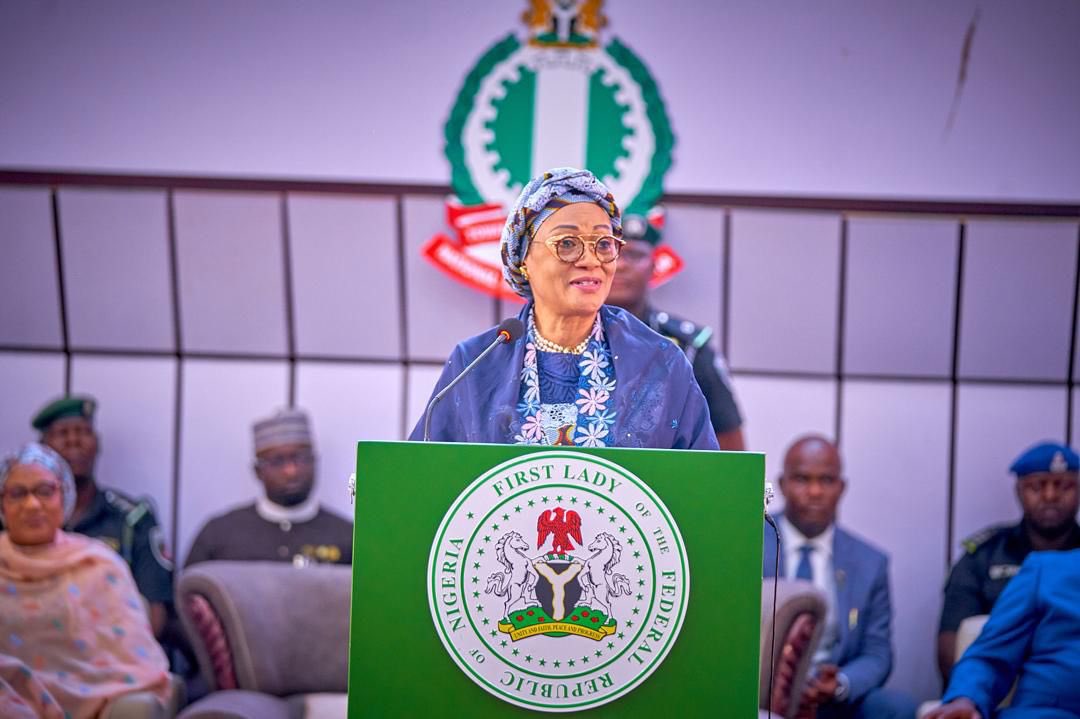
This is why the South-West zonal launch of the National Community Food Bank Programme in Ogun State was so important.
Three food banks opened in Sagamu, Yewa North, and Abeokuta South, focusing on vulnerable groups, including children under six, pregnant women, and nursing mothers.
The programme is linked to Primary Healthcare Centres, which helps identify families in need and ensures food support reaches those who need it most.
Governor Abiodun called this approach a major step in fighting food insecurity and malnutrition.
The First Lady encouraged other South-West governors to adopt this initiative with the National Primary Health Care Development Agency.
Agriculture Minister Abubakar Kyari highlighted another key aspect of the programme: linking food assistance to agriculture and structured procurement.
This could make the plan more sustainable and help strengthen local farming while supporting vulnerable families.
For a hungry family, however, the immediate need for food is more important than policy discussions. Food on the table means a child can eat, a pregnant woman gets proper nutrition, and a vulnerable household can cope with rising living costs.
Beyond Projects: Making Democracy Deliver
The First Lady’s meeting at the June 12 Cultural Centre offered a different but important angle to her visit.
Her discussions with traditional rulers, community leaders, and other stakeholders highlighted how grassroots leadership helps ensure government programs reach the people.
This engagement reinforced a key point: launching a project is just the start.
A hospital needs to be managed well. A housing estate must remain functional. Food support must reach the right people. Roads and other infrastructure need upkeep. Citizens must hold institutions accountable for their responsibilities.
This is where community leaders and other stakeholders become vital partners in governance.
The Bigger Picture
Overall, the events of 18 August showed more than just a series of ceremonies.
They revealed an administration trying to turn its development ideas into real projects that address basic needs.
A stalled housing project became 108 homes. A major hospital opened to improve access to healthcare. A food bank programme started to assist vulnerable families, especially mothers and young children.
While these projects are different, they share one goal: improving quality of life.
That is perhaps the most important takeaway from Senator Oluremi Tinubu’s visit to Ogun State.
The focus was not just on the First Lady or the events themselves. It was on what these projects mean, a state aiming to turn public investment into real benefits and measuring development by how it impacts ordinary people.
In the end, the true success of governance is not shown on plaques. It is seen in the family moving into a good home, the patient treated nearby, and the child sleeping after a meal.
That is where the real benefits of governance are found, and that is what the First Lady’s visit highlighted.




Drop your comment
No comments yet — be the first to drop the gist 👇