The House of Representatives is trying to ease tensions between fuel importers and local refiners. They are starting talks with industry players to improve Nigeria’s oil sector and make sure fuel is always available.
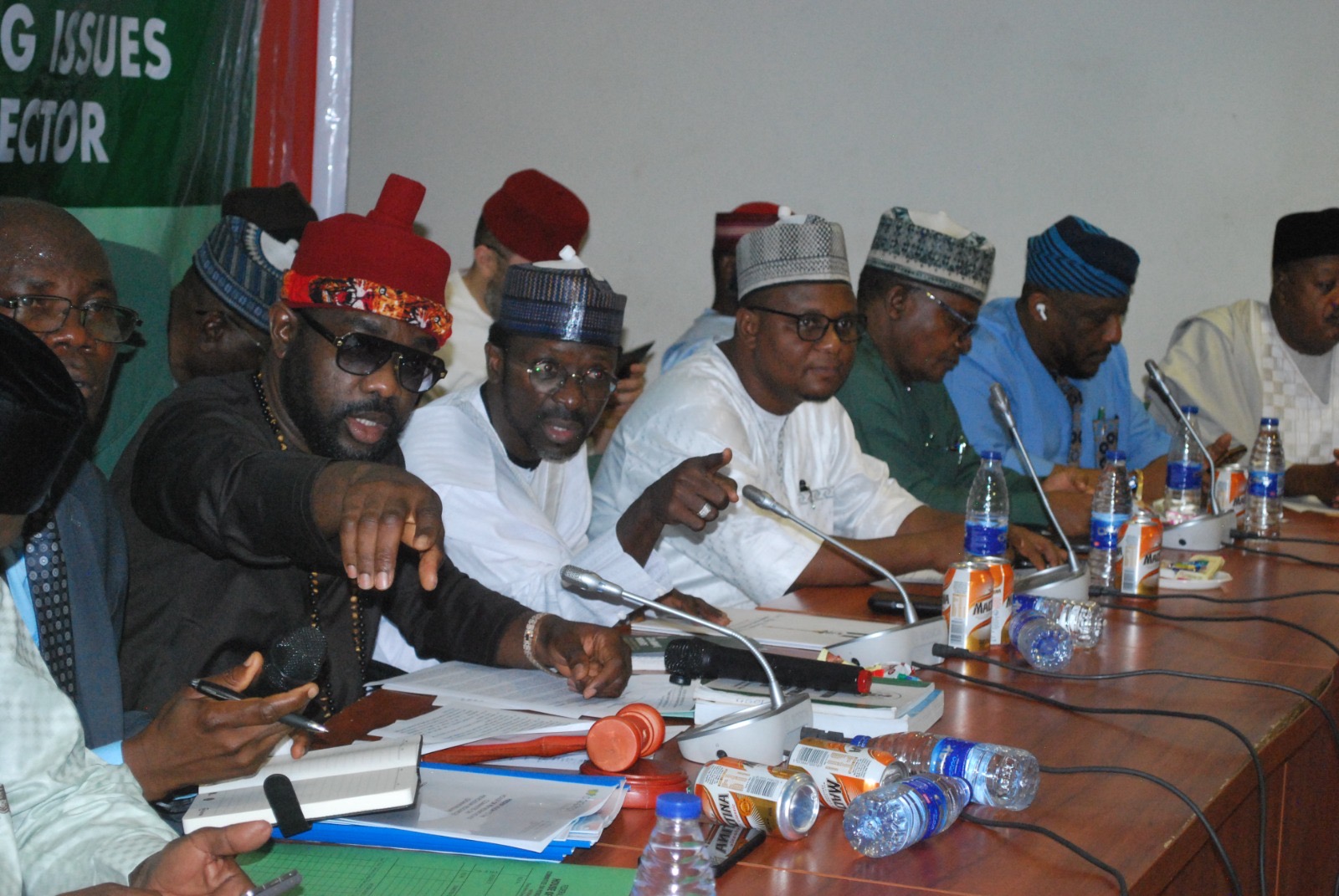
On Tuesday, the House Committee on Petroleum Resources (Downstream), led by Ikenga Ugochinyere from Imo, held a meeting with key players in the sector at the National Assembly.
Representatives from the Depot and Petroleum Products Marketers Association of Nigeria (DAPPMAN), Independent Petroleum Marketers Association of Nigeria (IPMAN), and Major Energies Marketers Association of Nigeria (MEMAN) were present at the meeting.
The talks mainly focused on how to boost local refining without making fuel hard to get or expensive across the country.
Mr Ugochinyere said the meeting is part of the committee’s work to make sure laws and rules in the oil sector match what businesses and consumers really face.
He emphasized that the House wants to talk things out rather than fight over issues in the industry. “We are here not to interrogate, not to accuse and not to put anyone on trial. We are here to listen. We are here to talk to one another as partners who share one common destiny, a Nigeria where energy is affordable, supply is stable, and no citizen suffers because petroleum products are out of reach,” he said.
The committee chairman assured industry players that the House would not support any policies that affect the oil sector without talking to the businesses involved in getting petroleum to the public.
He pointed out that Nigeria is at a key moment in its energy changes, with more local refining and improvements in fuel importation and pipeline security.
“The marketers, depot owners, independent operators and major marketers remain the bridge between government policy and the pump. When that bridge is strong, Nigerians enjoy stable prices and a reliable supply. When it is weak, the entire nation feels the consequences,” he said.
Mr Ugochinyere said the committee would look at the suggestions from the different associations before suggesting laws to attract investment, boost local refining, promote competition, and ensure affordable fuel.
He also promised that the committee would keep talking to industry players as part of its job.
DAPPMAN calls for clearer stock rules
At the meeting, DAPPMAN’s Executive Secretary, Olufemi Adewole, urged the Nigerian Midstream and Downstream Petroleum Regulatory Authority (NMDPRA) to set clear rules for stock management under Section 182 of the Petroleum Industry Act (PIA).
Mr Adewole said these rules should explain how to measure, report, and check the quality of petroleum stocks. He added that simply looking at the amount of products held should not be the only way to assess stockholding.
He argued that the ability to quickly finance, transport, and deliver fuel during emergencies should also be included in the assessment.
DAPPMAN also suggested a monitoring system that involves NMDPRA and the Federal Competition and Consumer Protection Commission (FCCPC).
This system should keep an eye on supply levels, product availability, treatment of operators, and other signs that could show problems in the petroleum market.
The association also asked the federal government to invest more in roads, railways, inland waterways, pipelines and depots. They believe better infrastructure will help cut down on transporting fuel long distances by road from just a few coastal supply points.
DAPPMAN called for a permanent consultation platform that includes regulators, marketers, refiners, NNPC Limited, transport agencies and security groups.
This platform would let stakeholders regularly check supply conditions, infrastructure needs, and threats to the oil sector.


IPMAN points out cost and infrastructure issues
IPMAN highlighted that the oil sector is very important for Nigeria, saying that fuel products are key for homes, manufacturing, agriculture, transport, healthcare and security.
National President, Abubakar Shettima, said the PIA, deregulated prices, attempts to revive state-owned refineries, and new private refineries give Nigeria a chance to cut down on imports.
He believes Nigeria could become a top place for refining and distributing oil in Africa. But he also mentioned several challenges still facing the sector.
These challenges include high financing costs, various taxes, exchange rate issues, poor storage and transport facilities, pipeline vandalism, and limited access for independent marketers to refinery products.
He also noted delays in payments for bridging and NTA claims, and poor communication between the government and industry operators, as problems affecting the sector.
He urged the committee to push for better logistics, more competition, lower distribution costs, and increased investment. Mr Shettima also called for policies to ensure that fuel products are available and affordable across the nation.
MEMAN warns against import restrictions
MEMAN’s Executive Secretary, Clement Isong, acknowledged that Nigeria’s refining capacity is growing. He said the country can now refine enough to meet local demand and even export.
But he warned the federal government against blanket restrictions on fuel imports. Mr Isong said the government should still have the power to allow imports when local supply cannot meet demand or when unexpected issues arise.
He believes that imports can help prevent shortages and protect consumers from sudden price hikes. He suggested creating a strategic petroleum reserve that could cover at least 60 days of national consumption.
Mr Isong said this reserve would help cushion against international supply issues and price swings. He pointed to the Liquefied Petroleum Gas (LPG) market, where increased imports helped solve shortages and keep prices in check, as proof of how quick actions can stabilize the market.
While he supports the government’s efforts to expand local refining, Mr Isong said decisions on fuel imports should remain with the government and NMDPRA.
He believes this will help authorities react to supply situations, keep competition alive, and protect consumers.
Stakeholders want stable policies
The talks revealed differences among industry players about how much domestic refining and fuel imports should balance out.
Even though they had different views on imports, everyone generally agreed on the need for stable policies, better infrastructure, stronger regulatory coordination, and regular talks between the government and industry.
The committee’s meeting gives the House a chance to see how Nigeria can increase local refining while still being flexible to avoid supply shortages.
For the oil sector, stakeholders agree that the main goal should be a competitive and strong market that gives Nigerians reliable and affordable energy while encouraging long-term investment and national energy security.
Drop your comment
No comments yet — be the first to drop the gist 👇