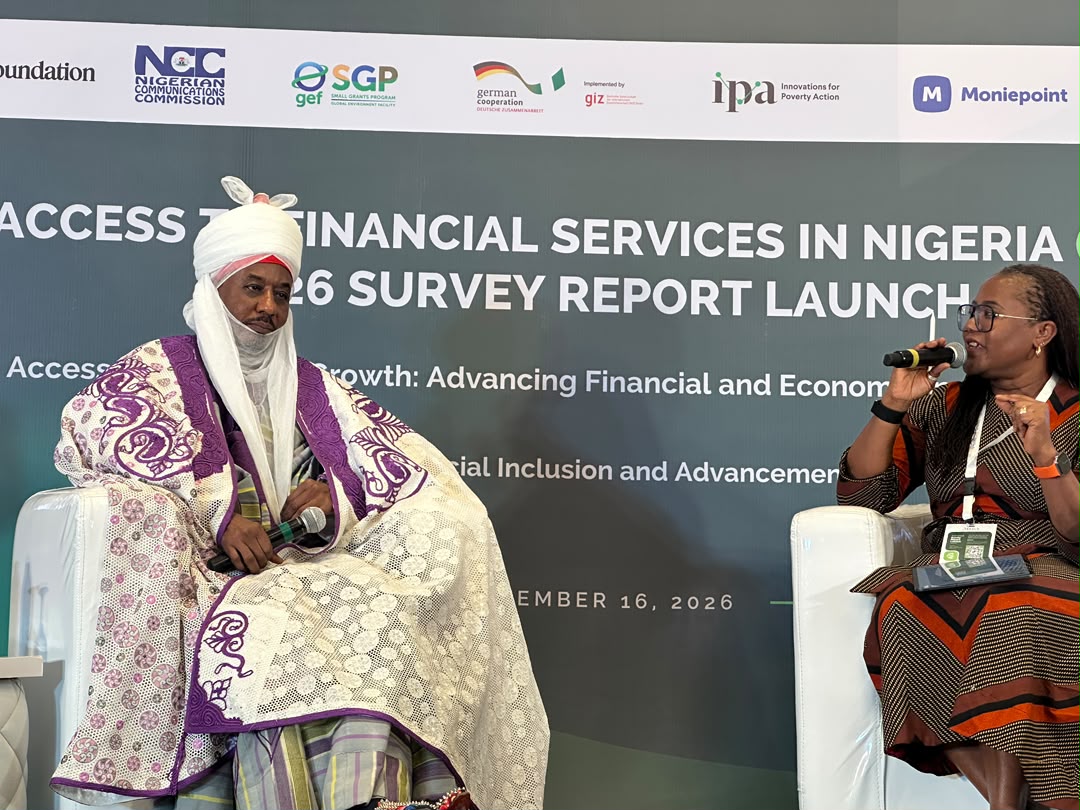
Former Central Bank of Nigeria (CBN) Governor, Sanusi Lamido Sanusi, has said he would have made some choices differently during his time. One major decision was to delay telecommunications companies from entering Nigeria’s financial services sector.
Mr Sanusi, now the Emir of Kano, admitted that he was responsible for this delay. He now feels that it slowed down the pace of financial inclusion in the country.
He shared this during a discussion on financial inclusion in Abuja on Wednesday. He was asked what he would change if he had another chance to lead the CBN.
Mr Sanusi said he could think of three areas where he would have acted differently. But he only talked about one of them at the event.
“One of them was on financial inclusion. I’m responsible for delaying the entry of telcos into this space,” he stated.
He served as CBN governor from 2009 until he was suspended in February 2014. During his tenure, he managed significant changes in Nigeria’s banking system after the 2009 banking crisis.
Mr Sanusi explained that his decision came from worries about the banking crisis at that time. He was particularly concerned about regulating and controlling funds.
“Part of the challenge, of course, was that we had just come out of a banking crisis, where we were worried about illicit funds. And I wasn’t comfortable allowing companies that I was not the primary regulator of to have access to a huge pool of funds,” he said.
He admitted that even though his decision was based on valid worries, it led to unintended problems later on.
“So again, this is one case where you have a good intention, where you take a wrong decision,” Mr Sanusi noted.
He faced opposition from many in the financial sector when he turned down the proposal.
“I fought the World Bank. I fought everybody. I fought Stanbic. I fought everybody who suggested it,” he said.
Looking back, Mr Sanusi believes that allowing telcos into financial services sooner could have sped up financial inclusion.
“I do think if I had allowed that to happen, we would have made much more progress,” he said.
He pointed out that telcos have an edge over traditional banks because of their wide reach across Nigeria.
“I think we made more progress in the last few years than we did in the first because the banks simply don’t have the boots on the ground. They don’t have the footprints to do it,” he added.

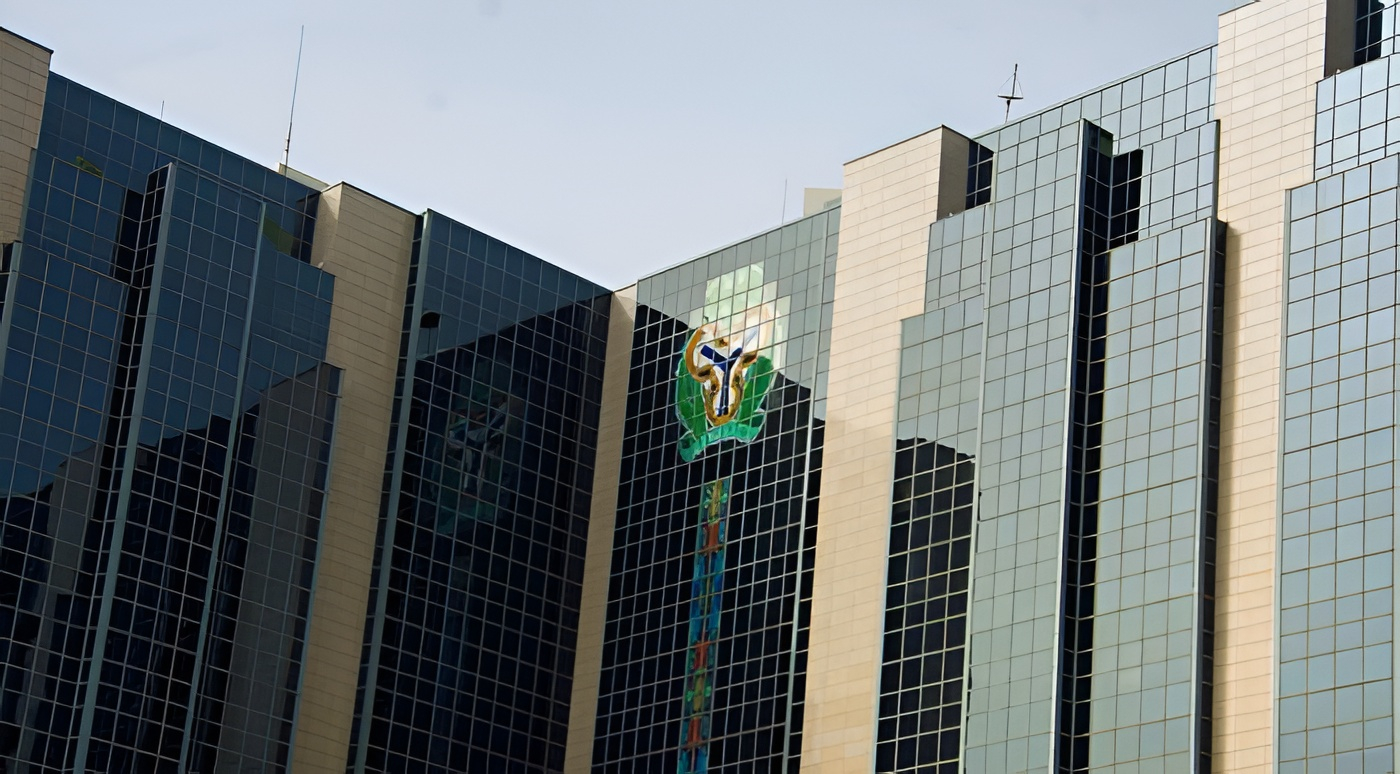
His thoughts came during a larger talk on how Nigeria can move from just increasing access to financial services to making sure it brings real benefits to households.
He said that financial institutions alone cannot create economic growth. He stressed that the right fiscal and structural policies must support changes in the financial sector.
“We have the infrastructure. We have the base. The question is, how do you now build on that?” he asked.
Mr Sanusi also urged the CBN to use data from fintech and payment companies to create savings, pension, and insurance products for underserved Nigerians.
“If I were in the Central Bank today, I would call in MoneyPoint and OPay and say, ‘Guys, you have all this data. You are transferring money. Tell me how you can build pension products on top of this. How can you build savings for us on top of this?’” he said.
He stressed that payment companies’ reach could help link low-income Nigerians to financial products, especially savings and insurance.
He also highlighted the need for better financial education, saying Nigerians should be encouraged to save gradually through small, regular contributions.
The former CBN governor called for better teamwork among Nigeria’s financial regulators, especially regarding consumer protection.
He is worried about possible overlaps between the CBN’s consumer protection roles and those of the Federal Competition and Consumer Protection Commission (FCCPC).
According to him, consumers might get confused when different regulators handle similar complaints about financial institutions.
He advised that regulators should set up a clear responsibility chart to define their roles.
“Draw a RACI matrix and let everybody know where their lines of responsibility are,” he said.
Mr Sanusi pointed out that consumer protection is key to financial inclusion. He warned that mixed-up regulations could hurt trust in the financial system.
He mentioned that while he found three things he would have done differently as CBN governor, he would reveal the other two in his upcoming book.
“Now, the other two, you’ll have to wait for my book,” he said.
Drop your comment
No comments yet — be the first to drop the gist 👇