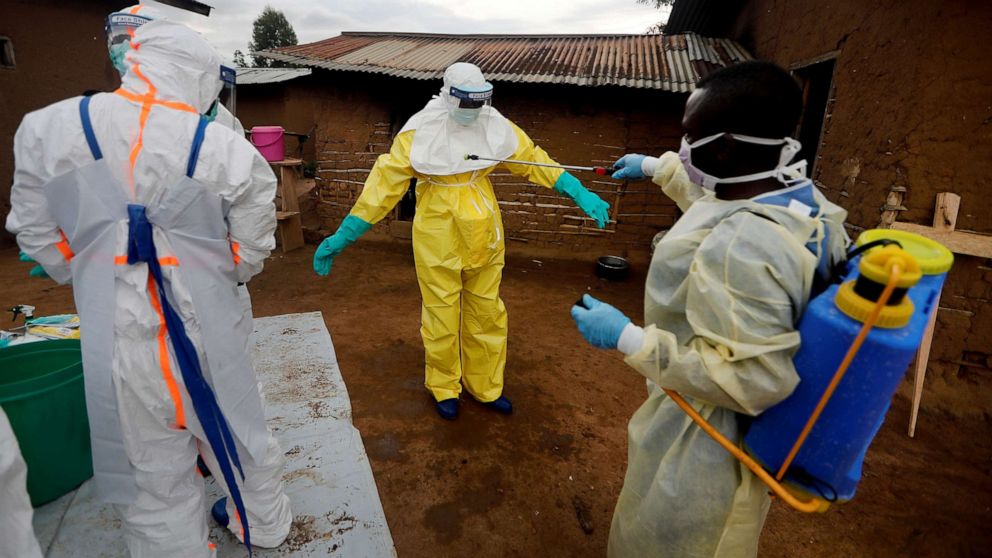
Kenya has recorded its second Ebola death. A 65-year-old woman died while receiving treatment. This leaves seven of the nine confirmed patients still getting care.
The woman was the country's third confirmed case of Bundibugyo virus disease. She was a close family member of the first patient, who also died, according to the Kenyan Ministry of Health.
In a statement on Friday, the ministry said the woman showed symptoms on 13 October while under quarantine. She was admitted to an infectious disease unit on the same day.
"Sadly, she succumbed to the disease early this evening," the ministry said.
The ministry informed the woman's family about her death. They are making arrangements for a safe and dignified burial, following public health protocols.
The ministry urged the public and media to respect the family's privacy as they mourn.
With this latest death, the number of fatalities from the outbreak in Kenya is now two. Seven other patients are receiving treatment at two isolation facilities.
The ministry noted that all nine confirmed cases are linked to a single group of known contacts. There is no evidence of community transmission.
Spread of the Outbreak
Kenya confirmed its first case of Bundibugyo virus disease in early October. This was a man who had traveled from the Democratic Republic of the Congo (DRC) through Uganda. He died on 5 October, according to the World Health Organization (WHO).
Health authorities found infections among people who had contact with the first patient. This includes family members and healthcare workers.
The 65-year-old woman was already in quarantine when she showed symptoms. This allowed health officials to identify and isolate her for treatment.
The WHO said the new cases in Kenya are linked to the first case. They highlighted the need for contact tracing, quarantine, and monitoring of those exposed to the virus.
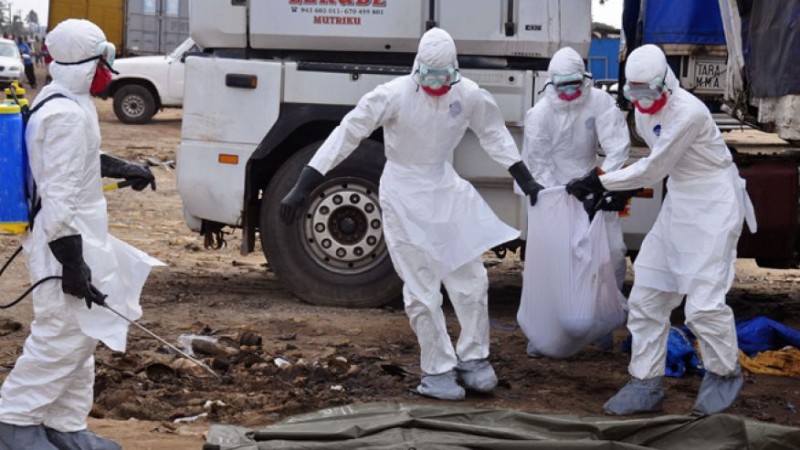
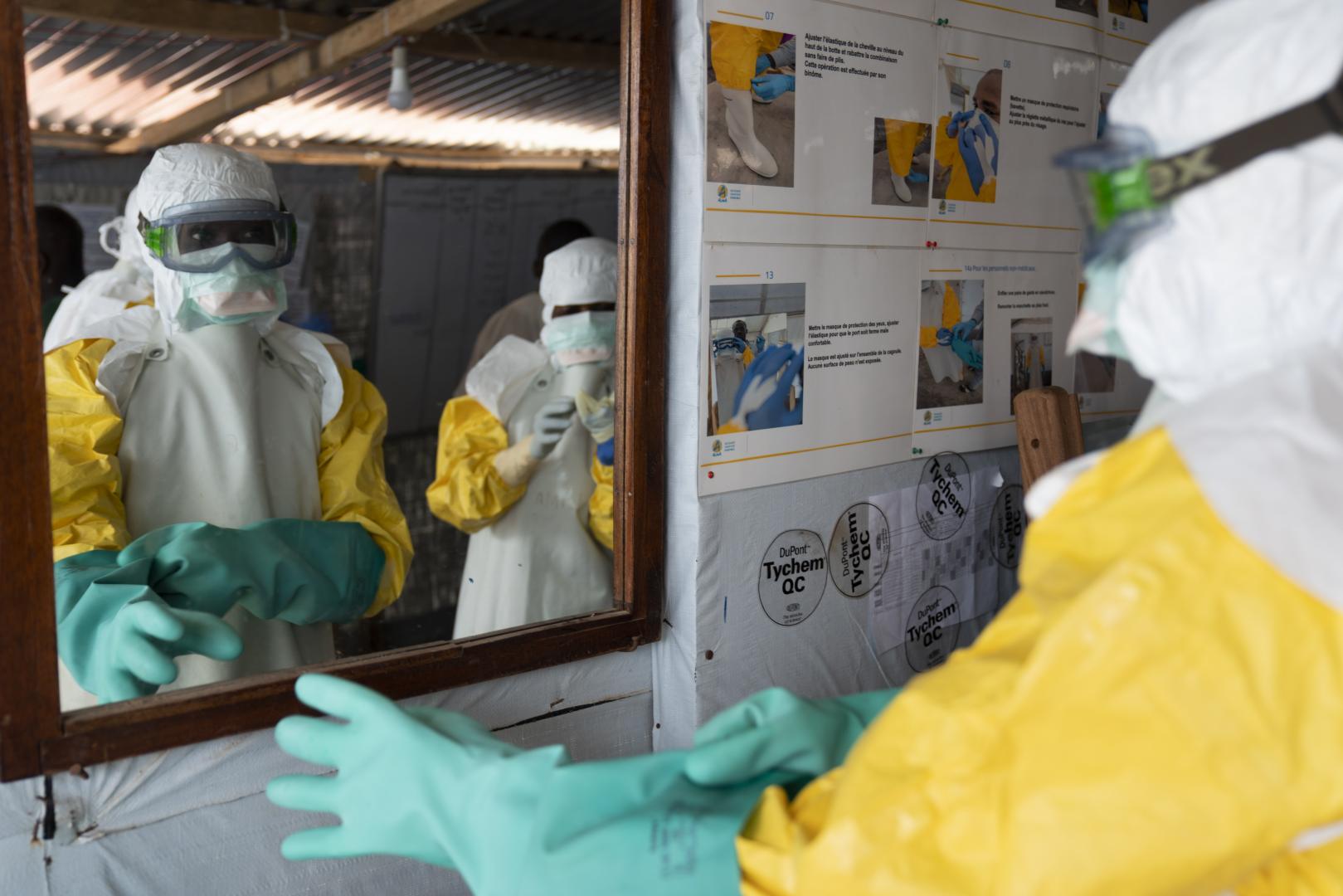
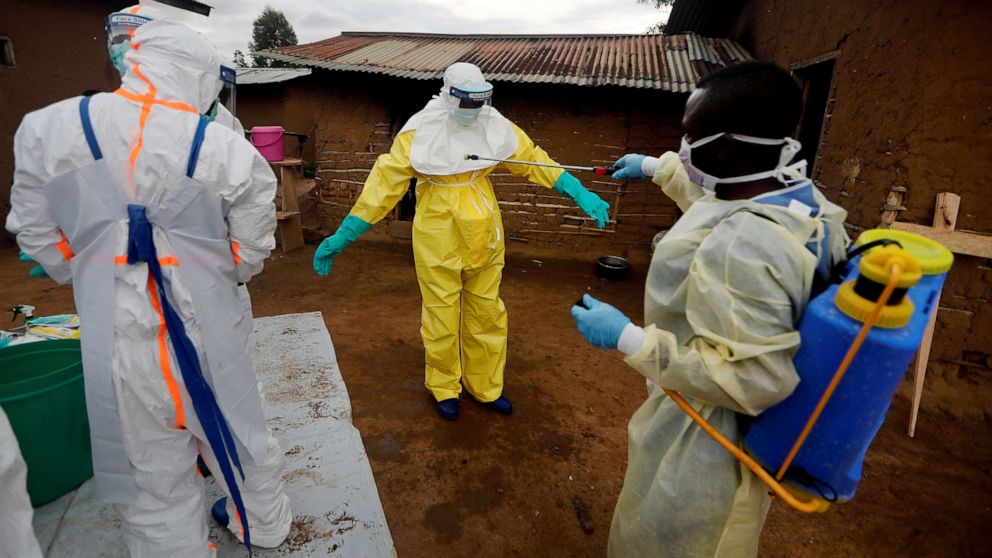
The outbreak has raised concerns about cross-border transmission in East and Central Africa. Both Kenya and Nigeria have reported imported cases linked to travel through Uganda.
Nigeria confirmed its first case of Bundibugyo virus disease on 20 October. This was in a patient in Abuja who had traveled from Uganda. The patient is isolated and receiving medical care. Authorities are tracing people who might have been exposed.
PREMIUM TIMES has reported on investigations into whether the Nigerian and Kenyan cases are linked. This is related to possible exposure at Uganda’s Entebbe International Airport, where both patients traveled through on 3 October. Health officials are looking into possible contact through shared equipment or other exposure, but no direct link has been found.
About Bundibugyo Virus
Bundibugyo virus disease is a type of Ebola disease caused by the Bundibugyo virus. This is different from the Zaire ebolavirus, which has caused other outbreaks.
Ebola is a serious illness. It can cause fever, weakness, muscle pain, vomiting, diarrhea, and in some cases, unexplained bleeding. The virus spreads through direct contact with the blood or other body fluids of an infected person and contaminated materials.
There is no approved vaccine specifically for Bundibugyo virus disease. Early detection, isolation, supportive treatment, and infection prevention are very important.
The WHO and its partners have started the Tumaini clinical trial in DRC. The first participant received the Ervebo vaccine. The trial will check if this vaccine, approved for the Zaire strain of Ebola, can also protect against the Bundibugyo virus.
Kenya’s Ministry of Health has urged the public to avoid contact with the body fluids of anyone suspected of having the disease. They advise people not to touch or handle the body of someone who has died from a suspected infection.
The ministry also recommends washing hands regularly with soap and water. People should seek medical help immediately if they develop symptoms after possible exposure.
The ministry asked anyone who feels unwell or is worried about possible exposure to call Kenya’s toll-free emergency line on 719 or contact health authorities via WhatsApp on 0700 719 719.


Drop your comment
No comments yet — be the first to drop the gist 👇