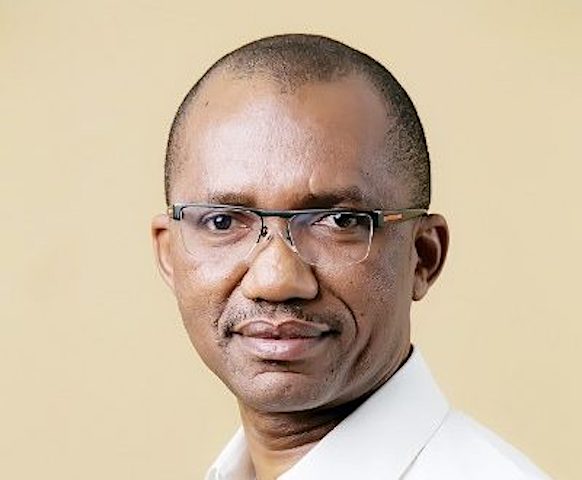
Vice President Kashim Shettima has good reason to doubt if President Bola Ahmed Tinubu will choose him again as his running mate for a second term.
While Tinubu was governor of Lagos State for eight years, he replaced three deputies: Kofoworola Bucknor-Akerele, Femi Pedro, and Abiodun Ogunleye. Only Senate President Godswill Akpabio, when he was governor of Akwa Ibom, has matched this record in the last 27 years. Tinubu often had reasons for changing his deputies. Shettima's situation had its own unique concerns.
From the beginning, some people wanted his position. Among them were party members like former Governor Nasir El-Rufai, who thought he deserved the VP role for supporting Tinubu when President Muhammadu Buhari was uncertain about his successor.
National Security Adviser Nuhu Ribadu noticed the trouble early and prevented El-Rufai from moving forward. Shettima also took steps to defend his position.
A Controversial Ticket
The strongest resistance Shettima faced came from the opposition and some religious groups before the 2023 election. Despite having no constitutional basis, the Tinubu-Shettima ticket was labeled as a Muslim-Muslim partnership aimed at Islamizing Nigeria.
Tensions rose so much that Tinubu and his team often showcased his wife, Oluremi's, Christian background to prove his openness. They argued that if he was married to a pastor and supported equal opportunities for everyone, what more did the opposition want?
But that was not enough. If Shettima thought things would settle after he and Tinubu won in 2023, he was wrong about the opposition's determination. They have analyzed government actions not just by ethnicity, but also religious motives, especially during the farmer-herder conflicts that have caused many deaths in Nigeria's north-central region.
Long-Lasting Impact
These violent clashes have troubled Nigeria for over 20 years, leading to around 35,000 deaths and destroying lives and futures for millions. Though these issues began before Tinubu and Shettima took office, some people have tried to paint a negative picture of Shettima to hinder his chances of being nominated again.
They connected him to the early days of Boko Haram when he was Borno State governor. Critics claimed that if he truly wanted to stop the group, he would have done more to combat its rise and the deadly groups it spawned.
The opposition's claims gained traction when former US President Donald Trump threatened to intervene in Nigeria, claiming to protect Nigerian Christians facing threats.
US Influence and Local Politics
Reports say a US lobby group close to Trump advised him to pressure Tinubu not to select Shettima for a second term. They argued that even the idea of a Muslim-Muslim presidency might be encouraging attacks on Christians.
They suggested that replacing Shettima would send a strong message that the US was serious about addressing the situation. It is unclear if Trump insisted on this point or if Tinubu considered it in his decision-making this week. But the pressure to replace Shettima was certainly there.
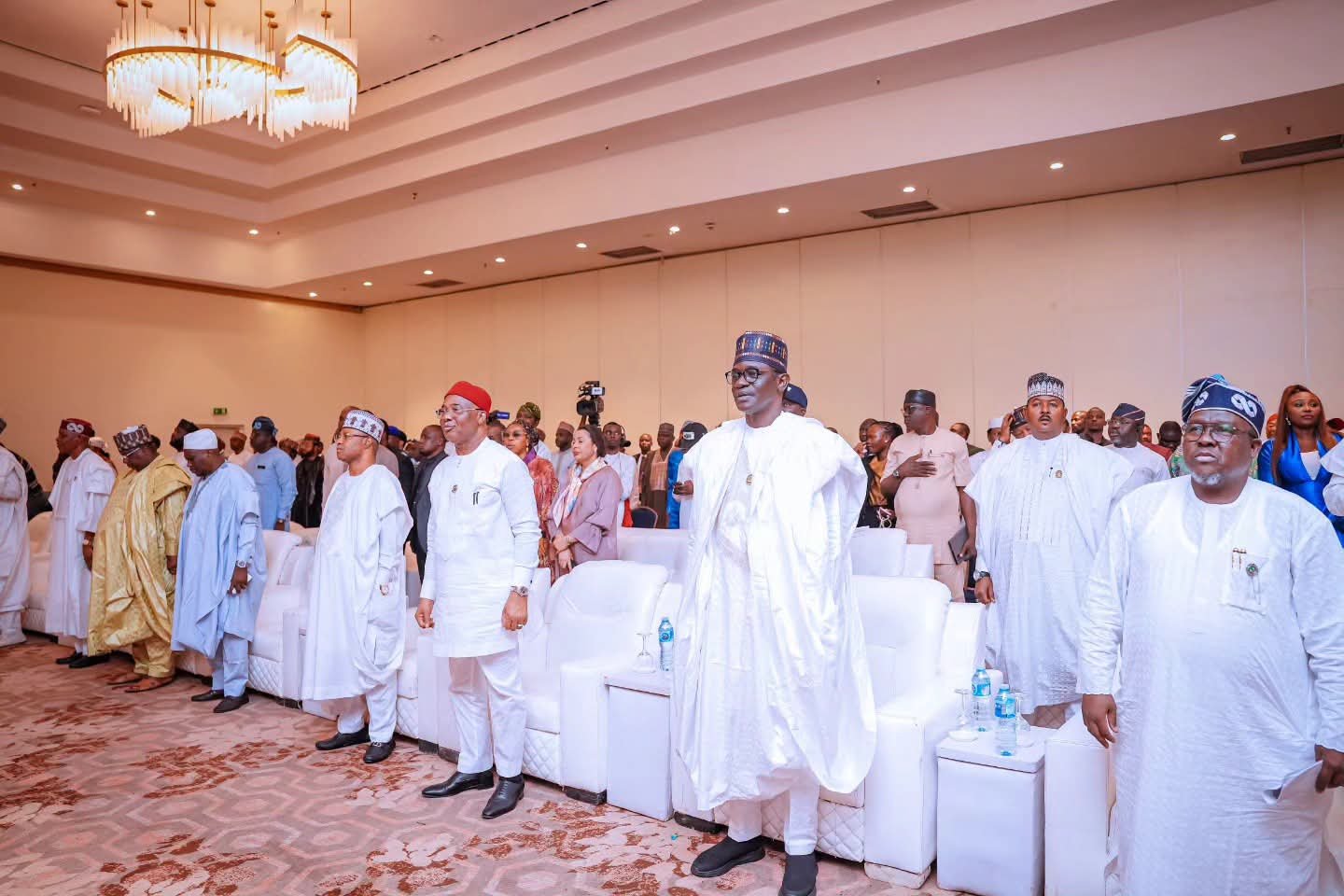
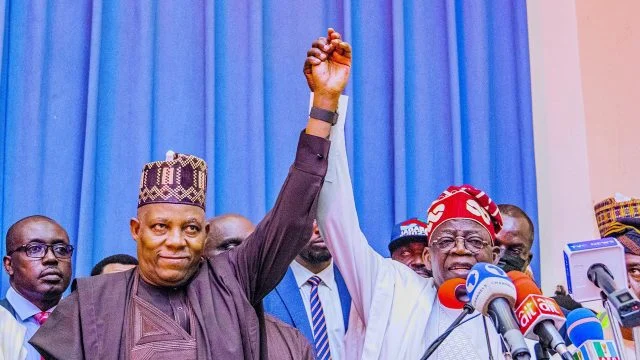
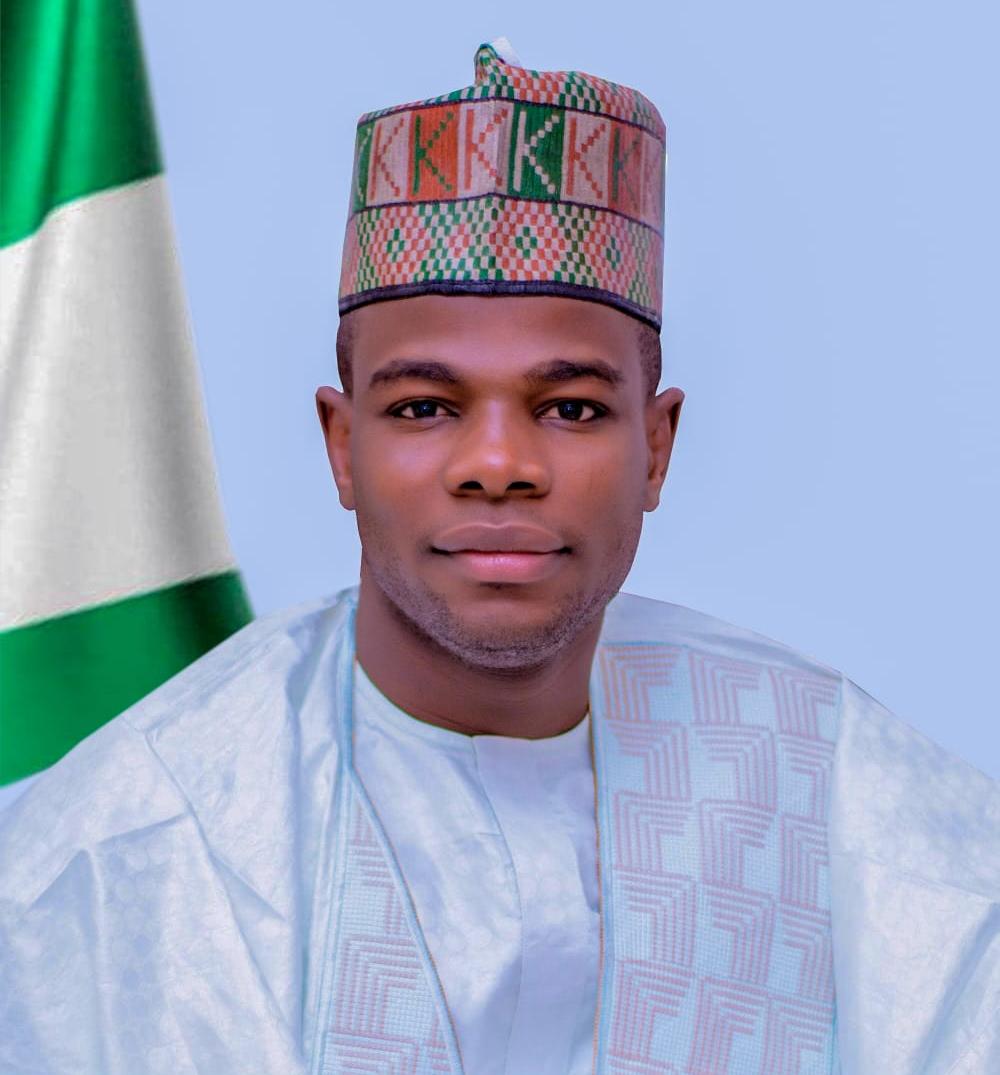
Sources say this situation affected the VP. "His office deliberately reduced some activities," a source said. "He did everything he could to show his loyalty and went the extra mile for it. Remember how rumors about Vice President Yemi Osinbajo hurt him when Buhari was ill in London?"
Shettima recently shared a story about some people from Borno who visited Tinubu after their election. They warned him about the Zanna caps Shettima had gifted him. They claimed these were charms meant to harm him so Shettima could take over.
Potential Replacements
Even if Shettima avoided controversy, some were still trying to make things harder for him.
In recent months, several names have popped up as possible replacements for Shettima. Some insiders reportedly pushed for former Speaker Yakubu Dogara. Others suggested Simon Lalong, a former Plateau State Governor. Both are Christians, which might align with the US lobby group's push against another Muslim-Muslim ticket in Tinubu's second term.
Kwankwaso's Moves
One of the most dramatic attempts to replace Shettima came from former Kano State Governor Rabiu Kwankwaso. Early in Tinubu's administration, sources say Kwankwaso had multiple discussions with Tinubu, including two meetings in Paris.
Kwankwaso aimed to settle scores with his former deputy and enemy, Abdullahi Ganduje, who leads the ruling APC, and wanted a significant ministerial role.
As talks dragged on, some in the government worried Kwankwaso might seek to become Tinubu’s running mate in 2027. To ease these concerns, allies of Shettima persuaded Governor Abba Kabir Yusuf to leave the NNPP and join the ruling APC, weakening Kwankwaso's influence in Kano.
Final Thoughts
It is hard to pinpoint what made the difference in keeping Shettima in the race. Maybe it was simply about sticking with what is known. He has played his cards carefully and seems to have the backing of key Tinubu supporters in politics and business. Above all, Shettima has learned to be present without drawing attention, which is essential for all successful vice presidents.
His nomination now is ironic. The main reason President Muhammadu Buhari turned down Tinubu as his running mate in 2024 was due to pressure from the APC against a Muslim-Muslim ticket.
Buhari was seen as biased, and it was feared that choosing another Muslim would hurt the party's chances. Yet, a decade later, Tinubu not only chose a Muslim as his running mate, but he also kept him for a second term. Does this mean religion is becoming less important in Nigerian politics, or are politicians just ignoring the reality?
Depending on how the presidential election on January 16, 2027, goes, Shettima will soon face another challenge. If that time comes, he won't have to look far for lessons on how to handle it. The experience of Vice President Atiku Abubakar under President Olusegun Obasanjo could offer valuable guidance.
Drop your comment
No comments yet — be the first to drop the gist 👇