
Let’s think about what would happen if opposition parties decide to boycott the elections coming up next year. How would this affect Nigeria and our democracy? Is a boycott really the best move?
Recently, countries like Cameroun and Tanzania saw opposition parties boycott elections, but that did not change how people viewed the election results.
Back in 2000, Cote D’Ivoire had a huge opposition boycott that led to only 37.4% of people voting. The same thing happened with the Gambia’s parliamentary election in 2002 and Guinea in 2003. The Ivorian presidential election in 2020 also faced a boycott.
The use of electoral boycotts has become common among political opposition parties since the Cold War ended. As new democracies popped up in Eastern Europe, Latin America, and Africa, more contested elections also led to more boycotts. In 1989, only four percent of elections worldwide were boycotted. By 2002, that number jumped to 15 percent. Between 1995 and 2004, there was an average of nearly 10 boycotted elections each year.
In Zimbabwe, the opposition to President Robert Mugabe split over the idea of boycotting in 2005. That year, the Movement for Democratic Change (MDC) lost 16 parliamentary seats partly because of uncertainty about a boycott. MDC leader Morgan Tsvangirai then decided to boycott the newly created Senate elections, saying the Senate would just support Mugabe. This caused a split in the MDC, with some members believing that not participating was a big mistake. The party broke apart, Tsvangirai lost support, and Mugabe's party, ZANU-PF, won 49 out of 66 Senate seats. Tsvangirai later chose to participate in the 2008 elections, resulting in a near tie in seats between ZANU-PF and MDC. But he hurt his chances in the presidential election. In the first round, Tsvangirai got more votes than Mugabe, but the government claimed he didn't meet the 50 percent needed to win outright. Tsvangirai then boycotted the runoff, which allowed Mugabe to win easily. Although they later formed a power-sharing deal, Tsvangirai’s boycott let Mugabe keep control.
To hold elections smoothly, opposition parties need to decide to participate as early as they can. If they wait too long, they might miss out on registering or hurt their chances in the elections. The threat of a boycott can be useful, but opposition parties must still take part to gain any benefits. Not participating usually leads to losing.
Firstly, if elections grab a lot of international attention, a boycott can be effective. When the opposition threatens to boycott and it gets noticed by the world, it can pressure the ruling party to make changes. A famous case is South Africa in 1994. Mangosuthu Buthelezi, the leader of the Freedom Party, boycotted the election and called the process unfair. This led to more international pressure on Nelson Mandela, resulting in changes to the voting system and the constitution.
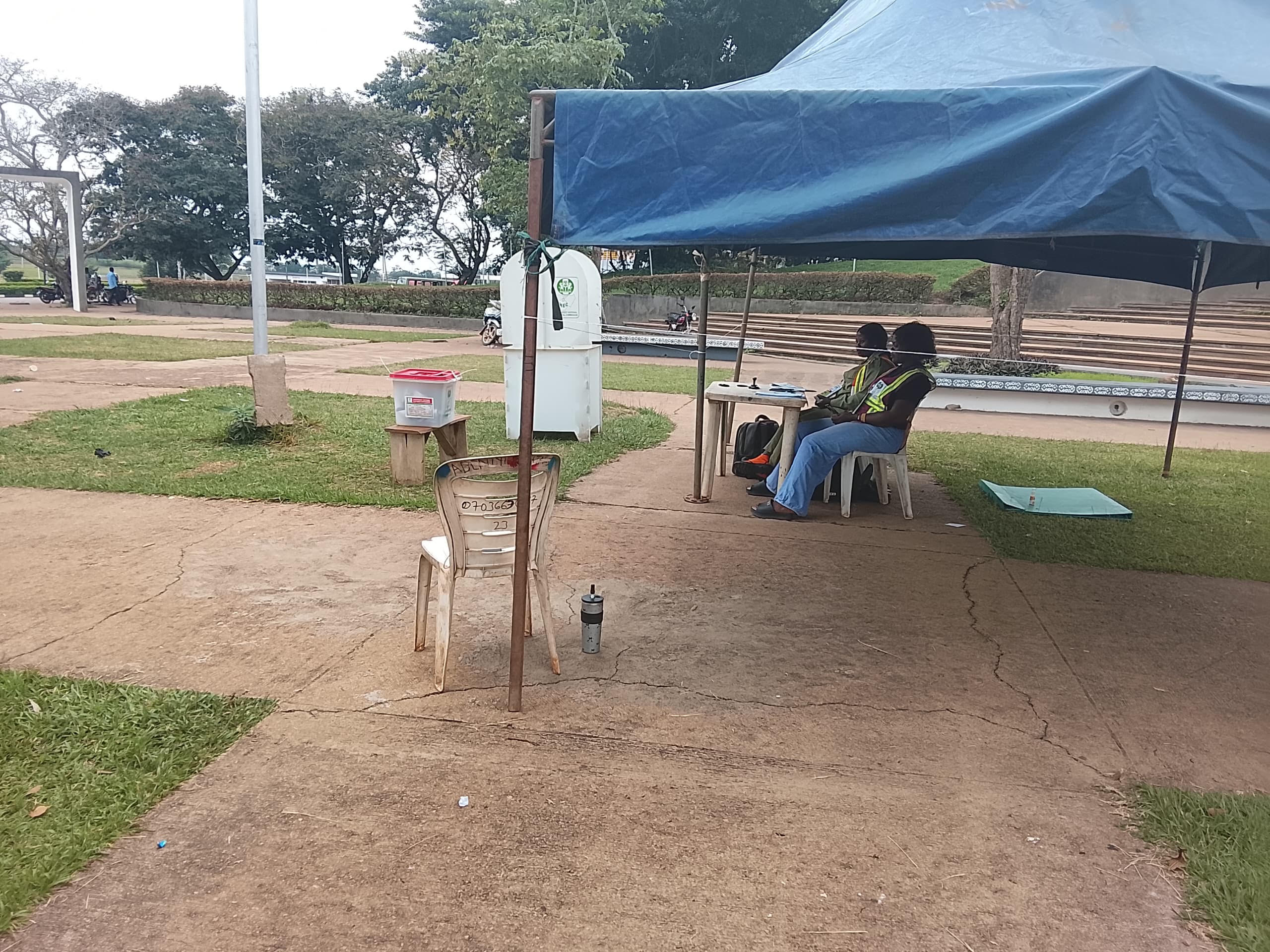
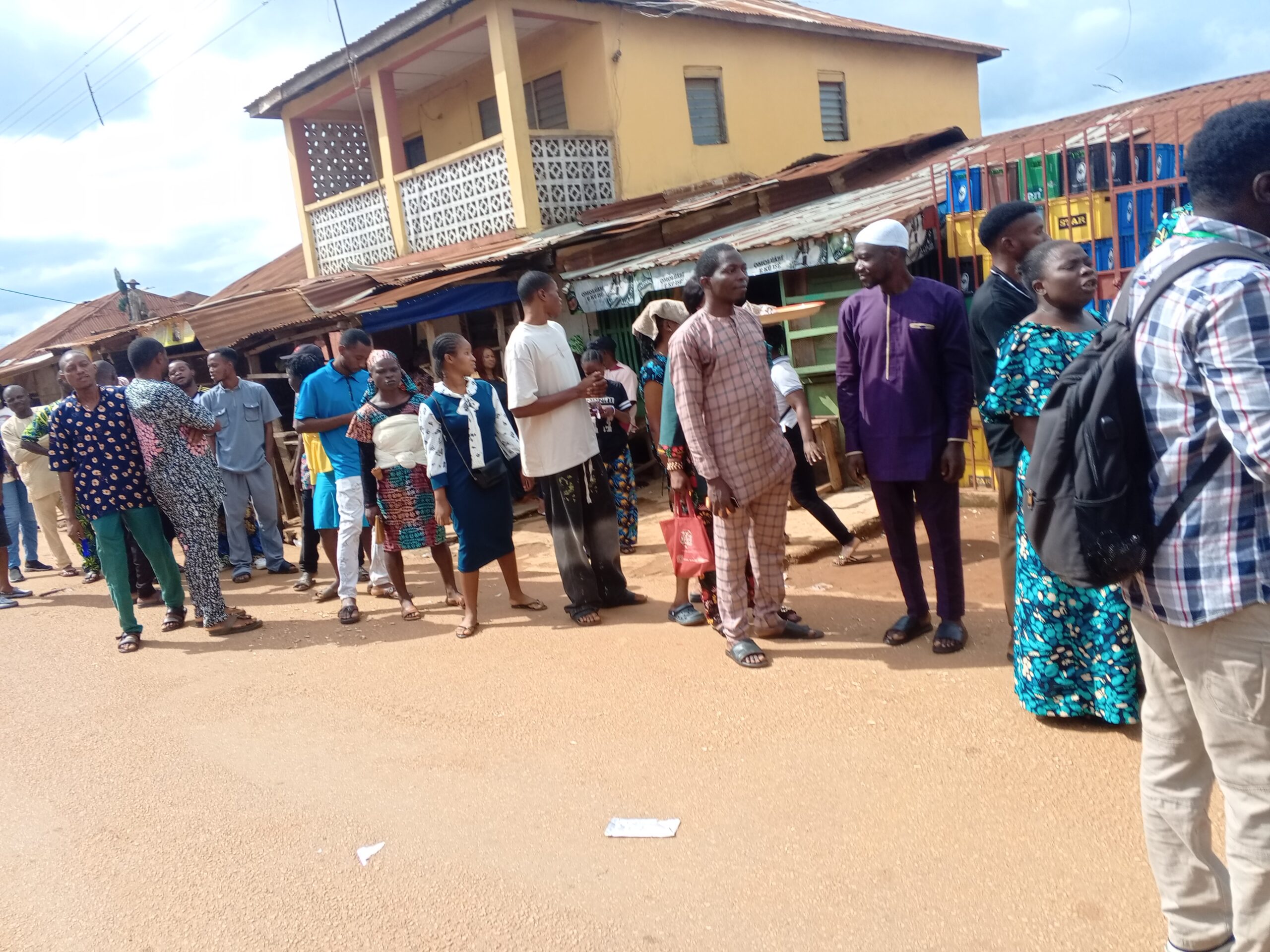
Secondly, if boycotts are part of a broader protest campaign, they can work. If the opposition has strong support from the people and combines a boycott with street protests, it can lead to results. For example, in Bangladesh in 1996, the Awami League boycotted the election and organized large protests just two days before voting. This pressure made the government agree to hold a new election, which the opposition won.
The phrase “Boycott the boycottables” was first used in Nigerian politics by Chief Ojike Mazi Mbonu from 1912 to 1956. It was a call for Nationalism. Ojike encouraged people to wear traditional clothes instead of English styles as part of his boycott. He did not suggest boycotting elections.
In 1964, the term boycott was used during the general election for the first time. Since then, there has been debate about whether boycotting elections is effective or not.
The boycott in the 1964 election was avoided thanks to Dr. Nnamdi Azikwe, who was the President then. The politicians also realized that a boycott would not work.
My advice to opposition parties is simple: do not boycott. Sitting out is mostly a losing game. You can threaten, but you must participate.
Drop your comment
No comments yet — be the first to drop the gist 👇