The FIFA World Cup is never just about the players. While footballers seek glory on the field, coaches feel the heat. They know that just a few matches can determine four years of hard work.
History shows many coaches whose World Cup journeys ended in sackings. From Luiz Felipe Scolari’s exit after Brazil’s shocking 7-1 loss in 2014 to Joachim Löw stepping down after Germany’s poor showings in recent years, the World Cup is a true test of football management.
The 2026 FIFA World Cup has added to this story.
As the tournament goes on, some teams and coaches move forward, while the dreams of lifting the trophy fade for others. Several national football federations have decided to replace their coaches, while some managers have chosen to resign. For some, this choice was about taking responsibility; for others, it was simply about results that did not meet expectations.
From painful penalty shootouts to humiliating losses and disappointing early exits, six coaches have seen their World Cup journeys end with their jobs.
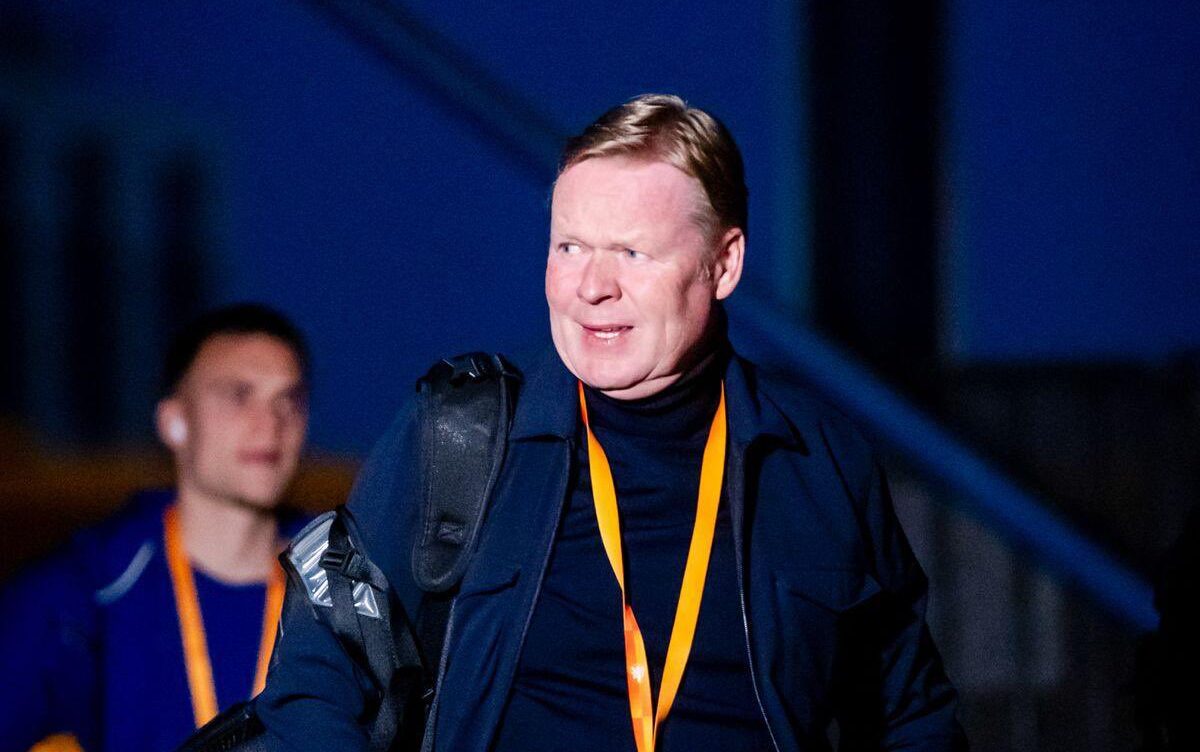
Ronald Koeman: A Penalty Shootout Ends It All (2023-2026)
For former Barcelona Coach Ronald Koeman, the line between success and failure was razor-thin.
The Netherlands came to the tournament with a heavy history. As three-time World Cup finalists, the Dutch have always been seen as strong contenders, yet the trophy has eluded them.
Koeman led the Oranje into another knockout round that seemed to promise great things. But their hopes were crushed when Morocco eliminated them in a penalty shootout after a hard-fought match. They were just minutes away from winning in regular time when a mistake cost them dearly.
This loss was more than just another World Cup exit. It also signaled the end of Koeman’s time as coach. Instead of waiting for a review by Dutch football officials, he chose to resign, taking responsibility for a campaign that did not meet the nation’s high hopes.
His departure showed that, at the highest level of football, close defeats can have consequences just as serious as big losses.
Hong Myung-bo (South Korea): Journey Ends Against Brazil (2024-2026)
South Korea’s path to the knockout rounds showed progress for one of Asia’s top football nations. Under Hong Myung-bo, the Taegeuk Warriors successfully passed the group stage and earned a chance to compete against the best.
Sadly, their reward was a match against Brazil. Faced with one of football’s giants, South Korea found the task too tough, and their World Cup journey ended in the Round of 32.
After the match, Hong announced his resignation, deciding to end his 2-year run after completing what he saw as the natural end of his project.
While reaching the knockout stages was a good achievement, Hong’s departure showed the rising standards in South Korean football, where just qualifying for major tournaments is no longer seen as enough.
Steve Clarke: Progress Overshadowed by One Disappointing Tournament (2019-2026)
Steve Clarke leaves Scotland with a legacy that goes beyond one bad World Cup.
When he took over, Scotland had struggled for years to find its place among Europe’s competitive nations. Under his leadership, the Scots found stability, qualified for major tournaments, and regained fans' belief.
But football rarely spares reputations from recent results. Scotland’s 2026 World Cup campaign did not build momentum, ending with a group-stage exit.
Shortly after, Clarke stepped down, shocking the nation. He had just signed a contract extension until the next World Cup less than a year earlier, on 18 November 2025, but he resigned on 27 June 2026, ending one of Scotland’s most important managerial terms in recent years.
While the World Cup failure will be part of his legacy, it does not overshadow the bigger change he brought to Scottish football. He also became Scotland’s longest-serving manager by games managed.
Miroslav Koubek: Czechia’s Campaign Ends Without a Win (2025-2026)
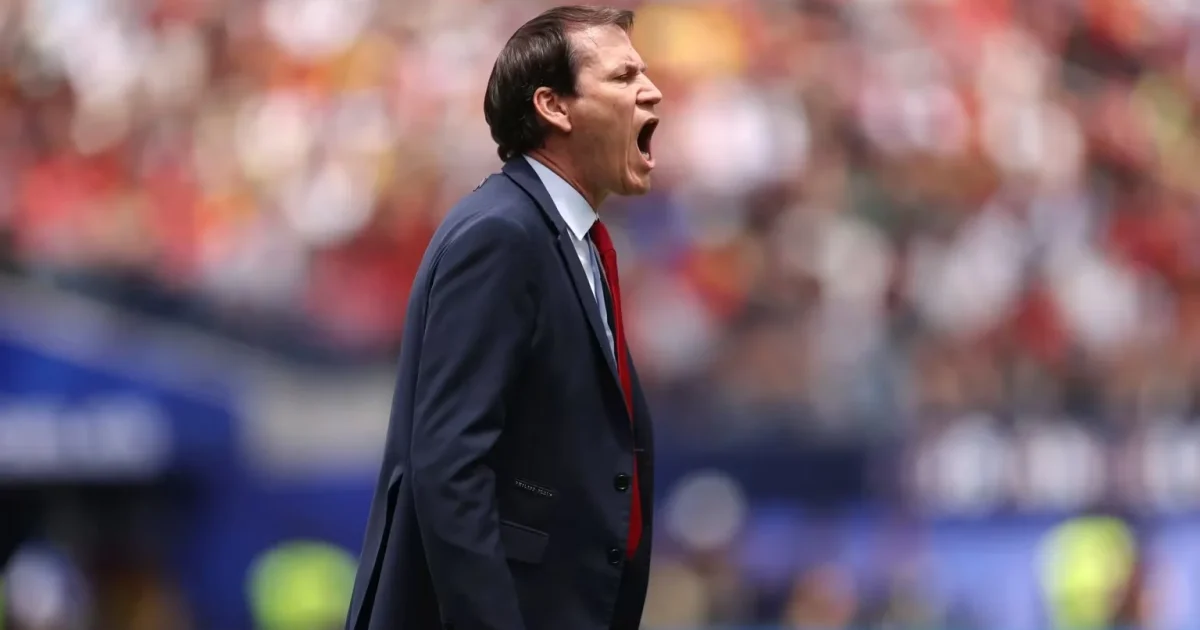
For Czechia, the tournament never took off. They were placed in Group A and struggled with consistency, finishing at the bottom of their group.
The team’s failure to compete against their rivals showed problems that had been there during the qualification phase. After the disappointing tournament, head coach Miroslav Koubek resigned, admitting a new direction was needed.
The 74-year-old coach had just taken the role ahead of Czechia’s World Cup playoff matches, leading them for barely 7 months. He had guided them to penalty shootout victories over the Republic of Ireland and Denmark, getting the country back to the World Cup after 20 years.
David Trunda, President of the Football Association of the Czech Republic, said: "The coach offered me his position at a personal meeting today and I decided to accept his offer after an open and fair debate."
"Miroslav Koubek is stepping down as head coach of the Czech national football team by mutual agreement with the Football Association of the Czech Republic. Coach, thank you for leading us back to the World Cup after 20 years," said the official announcement on X.
His choice reflected a trend in international football, where poor tournament results can speed up changes that were already being thought about.
Sabri Lamouchi: The Earliest Casualty (Jan 2026-Jun 2026)
While many coaches left after their tournaments, Sabri Lamouchi never got that chance. Tunisia faced one of the worst opening losses, losing 5-1 to Sweden on the first matchday. This result raised immediate concerns about the team and led to quick action from the Tunisian Football Federation.
On 14 January 2026, the Tunisian Football Federation announced Lamouchi would coach the national team, with a contract until 31 July 2028. But he was dismissed on 15 June 2026 after just five games, and one match at the World Cup, the day after Tunisia’s 5-1 loss to Sweden. He became one of the first managerial casualties of the 2026 World Cup.
The action highlighted the harsh nature of tournament football, where officials often feel that quick changes offer the best chance at recovery.
Tunisia tried to bounce back under new leadership, but the damage from the heavy opening defeat was hard to overcome. His replacement, AFCON specialist Renard Herve, could not lead them to the next stage either.
Sebastián Beccacece: Ecuador Starts Another Chapter (2024-2026)
Sebastián Beccacece guided Ecuador past the group stage, keeping La Tri competitive against some of the world’s best teams. But their journey ended suddenly in the Round of 32. Despite showing organization and resilience, Ecuador could not move forward in the tournament.
After the elimination, Beccacece announced his decision to resign, marking the end of his time as coach. He said his contract with the Ecuadorian Football Federation ended with the team’s exit. Even though he had a spirited campaign, including a notable win over Germany, he felt he could not stay after not meeting the goals he set for himself and the country.
Speaking to the press after the 2-0 loss to Mexico, Beccacece was open about his reasons for leaving. "Our contract ended with the World Cup. I don’t think we achieved what we promised: to make this the best World Cup ever. Today, it’s my turn to say goodbye," he said.
His resignation means Ecuador will once again search for a coach who can build on the groundwork laid during this World Cup cycle.
Why the World Cup is the Ultimate Test for Coaches
International football gives coaches less time with their players compared to club football. Tactics must be set up in short training camps, squad harmony needs careful management, and every decision, team selection to substitutions, is under the global spotlight.
The World Cup increases those pressures like no other competition.
For federations, poor results often lead to quick thoughts about whether a new voice is needed. For coaches, resigning can be both taking responsibility and realizing that a new cycle needs new leadership. The exits of Ronald Koeman, Hong Myung-bo, Steve Clarke, Miroslav Koubek, Sabri Lamouchi, and Sebastián Beccacece show this truth.
Their departures came in different ways, some by choice and others by firing, but each tells the same story: the World Cup is football’s toughest arena, where years of hard work can fall apart in just 90 minutes, a penalty shootout, or one bad performance.
As focus shifts to the next qualification cycle, their federations face a challenge as big as the tournament itself: finding leaders who can turn disappointment into future success. For these six coaches, the 2026 FIFA World Cup will be remembered as the tournament where their nations fell short and where their time in charge came to an end.
Drop your comment
No comments yet — be the first to drop the gist 👇