An interesting trend is happening in Nigeria under the guise of democracy. Many people have noticed it, but analysts and activists seem to dismiss it or not pay enough attention. It is widespread, ongoing, and sometimes subtle. Many think that the outcome of the 2027 elections is already decided. Almost all government agencies act like they are following orders to protect the ruling party’s interests and silence the opposition. This is making some Nigerians feel hopeless and lose faith in their democracy. Most believe their votes won’t count. They have lost trust in their institutions like the police, electoral bodies, anti-corruption agencies, and even the courts. This situation resembles what experts call state capture.
State capture is a serious type of corruption. It happens when a small group of political leaders or private interest groups twist a country’s laws, policies, and institutions to benefit themselves instead of the public. This problem is not new in Africa or unique to Nigeria. A clear example is South Africa under former President Jacob Zuma, who had a notorious relationship with the Gupta family. Similar situations occurred in Zambia under former President Edgar Lungu and are currently seen in Uganda under President Yoweri Museveni.
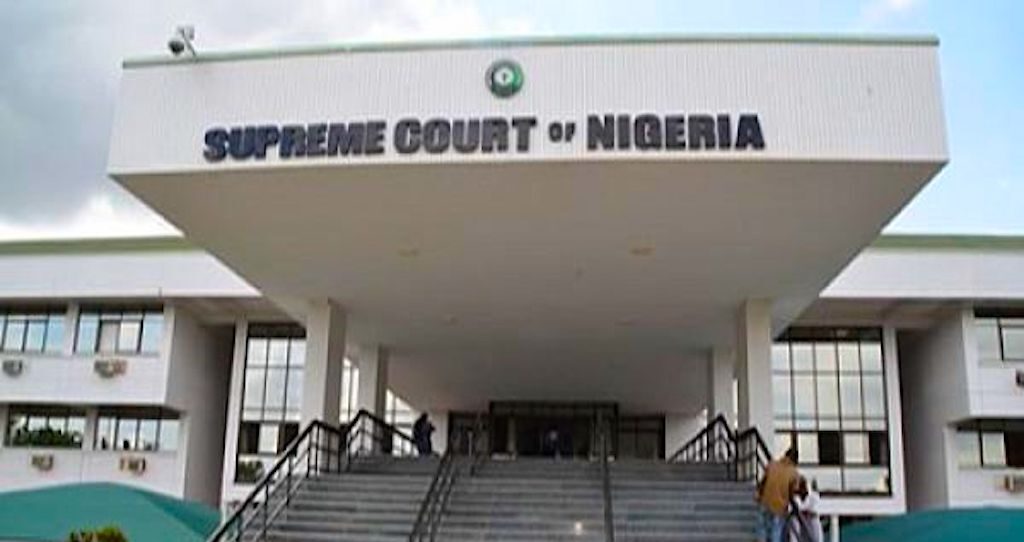
Nigeria has recently shown signs of state capture. This includes the weakening of democratic structures and the breaking down of checks and balances, such as judicial independence. There is even a sense that the parliament is being auctioned off. The Nigerian National Assembly, led by Senate President Akpabio, is helping the executive branch act recklessly instead of providing oversight. Members of the ruling party have worked with the judiciary to undermine opposition political groups and damage the democratic space. Anti-corruption efforts have been used against key opposition figures, spreading distrust, apathy, and anger among the public. These interest groups infiltrate institutions to strengthen their grip on power.
There are clear similarities between Uganda’s situation and what is happening in Nigeria. In 2025, Uganda’s military chief and son of President Museveni, Muhoozi Kainerugaba, threatened to castrate and behead opposition leader Bobi Wine. In Nigeria, members of the ruling party have also threatened the public as elections approach. Sainna Buba, a commissioner in Borno State, reportedly warned to cut off the fingers of those who do not vote for the ruling All Progressives Congress (APC). Additionally, Danjuma Shekwolo, chairman of Kuje Area Council in the Federal Capital Territory, told residents to vote for the ruling APC or leave the council. Political violence is increasing to instill fear in citizens. In the recent elections in Osun State, 29 people were reportedly killed. A well-known social media influencer who criticized the government, Ibrahim Khalil, was killed in his home in Gaida Quarters, Kano State.
State capture shows how narrow political and economic interest groups clash, leading to unfair power distribution. These groups gain an upper hand in shaping political dynamics. Elections become meaningless, reforms are just for show, and citizens live in states that appear democratic but act like cartels. State captors redirect resources away from citizens, distort economic decisions, weaken public services, increase inequality, undermine the law, reduce accountability, and erode public trust. They also use the resources they gather to buy votes and influence electoral officials and security agencies during elections.
In Nigeria, state capture has a unique aspect that deserves attention. Captors and their agents invest heavily in the media. By owning several media outlets through proxies, they try to control the narrative, spread their propaganda, and silence opposing voices. They fund civil society groups that pretend to be activists while actually promoting the interests of these powerful private groups. The main goal of these captors is to work with both government insiders and outsiders to redirect state resources for their own benefit and control the political landscape.
State capture is a major threat to good governance and democracy. In Lagos State, the long-standing influence of the Tinubu political network controls public revenue through state institutions and various patronage systems. His supporters often claim he will replicate this in Abuja at the national level. After three years in office, the problem of state capture has deeply affected our national life. The 2027 elections are a chance for citizens to challenge this ongoing takeover or risk handing over our nation’s future to a group of self-serving interests.
Drop your comment
No comments yet — be the first to drop the gist 👇