A new study has shown that violent conflicts across Northern Nigeria are pushing families deeper into poverty. This situation is also making it harder for them to recover, creating a cycle that traps many families in long-term hardship.
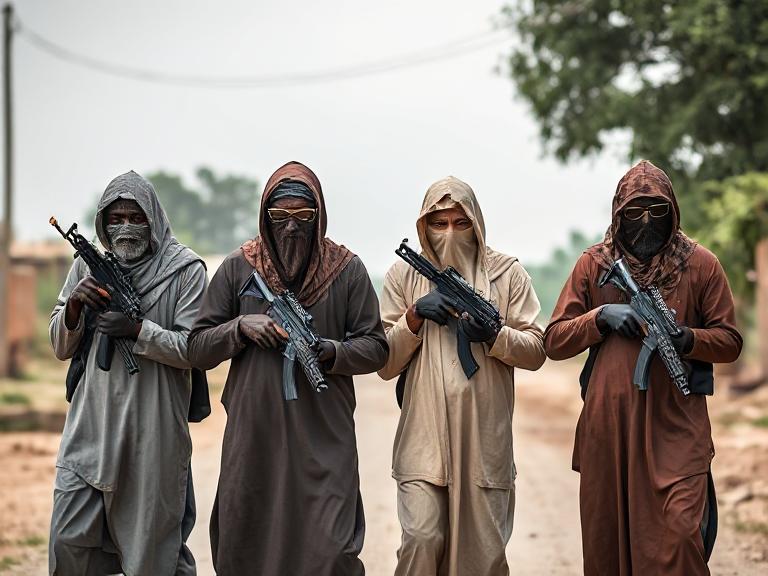
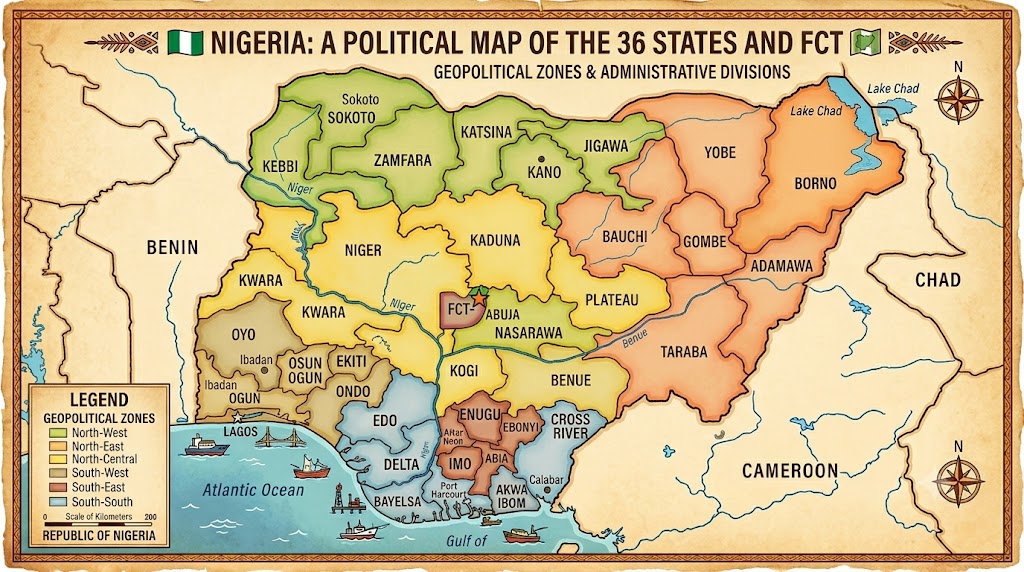
The report, titled "Insecurity, Livelihoods and Welfare in Northern Nigeria," highlights three main types of insecurity affecting welfare in the region. These are the Boko Haram and Islamic State West Africa Province (ISWAP) insurgency in the North-east, farmer-herder conflicts in the North-central, and banditry and kidnapping in the North-west.
Though these conflicts are different, researchers found that all three contribute to poverty in unique ways. They undermine incomes, destroy assets, disrupt markets, and make families more vulnerable.
The findings were shared during a webinar organized by the Chronic Poverty Advisory Network (CPAN) of the Institute of Development Studies in the UK, the Development Research and Projects Centre (dRPC), and the Strengthening Peace and Resilience in Nigeria (SPRiNG) project, with help from the UK’s Foreign, Commonwealth and Development Office (FCDO).
Insecurity and Poverty Affect Each Other
While presenting the findings, CPAN Deputy Director Vidya Diwakar explained that the research looked at how insecurity and household welfare affect each other. The study showed that conflict increases poverty, and poverty can make families more vulnerable to insecurity.
The study used data from the Nigeria Living Standards Survey 2022/23, the Nigeria Demographic and Health Survey 2024, and Armed Conflict Location and Event Data from 2010 to 2025. Researchers also did detailed fieldwork, including 60 life-history interviews, 12 focus group discussions, 15 key informant interviews, and 20 Delphi-method crisis focus group discussions.
The report found that Boko Haram and ISWAP violence in the North-east had the most significant and consistent effects on welfare among the three types of conflict. Households in areas hit by attacks within two years of the survey had spending levels between eight and 14 per cent lower per adult. Additionally, conflict-related debt since 2009 was linked to an extra welfare loss of between eight and 13 per cent.
In the North-central region, violence between farmers and herders had the biggest impact on near-poor households. Researchers recorded a 14 per cent drop in spending at the 60th percentile, marking the largest single welfare effect in the study.
In the North-west, banditry and kidnapping caused spending losses of between four and 11 per cent, with the greatest effects seen among moderately poor households.
Findings Reflect Ongoing Concerns
These findings add to worries about the economic impact of insecurity in Northern Nigeria. Attacks on farming communities, mass displacement, and ongoing violence have worsened livelihoods and food shortages in recent years.
PREMIUM TIMES has reported extensively on how the insurgency in the North-east, farmer-herder clashes in the North-central region, and bandit attacks in the North-west have displaced thousands. These conflicts have driven farmers from their lands and disrupted agricultural production in some of Nigeria's key food-producing areas.
Investigations by PREMIUM TIMES have shown that insecurity has worsened hunger, increased humanitarian needs, and undermined development efforts in affected communities.


Diversification Offers a Way Out
Despite the grim findings, researchers pointed out that livelihood diversification is the most consistent way for households to cope with the effects of conflict. The report stated that families who mix farming with off-farm work, small businesses, or other activities are better at building resilience and avoiding chronic poverty, regardless of the type of insecurity in their areas.
Diversification was described as the strongest protective factor across all three conflict settings. Still, only 13 per cent of household heads in Northern Nigeria were found to be actively diversifying their income sources.
Education also helps families diversify their livelihoods. However, the benefits are less for women- and youth-headed households, which make up 28.9 per cent of households in the region. These groups still face greater barriers to economic opportunities, despite being among those most affected by conflict and poverty.
Peace-Building and Livelihoods Must Go Together
Reviewing the findings, Ukoha Ukiwo, Team Lead of SPRiNG; Julie Sanda, Director of the Plateau State Peace Building Agency, and Abba Waziri from the Office of the Senior Special Assistant to President Bola Tinubu on Chieftaincy Matters highlighted the need to connect peace-building with support for livelihoods.
They argued that rebuilding livelihoods is crucial for maintaining peace and helping families affected by conflict recover from poverty. They noted that economic recovery and peace-building must happen at the same time.
Mr Waziri emphasized the role of traditional institutions. He called for more investment in training traditional leaders to support peace-building and conflict prevention in affected communities.
Evidence to Guide Poverty Response
During the webinar, the Minister of Humanitarian Affairs and Poverty Reduction, Bernard Doro, discussed the findings' implications for the federal government’s One Humanitarian, One Poverty Response System (OHOPRS). He said this initiative aims to coordinate humanitarian and poverty-reduction efforts through a framework built around "one system, one register and one pathway."
In his closing remarks, Mr Doro promised ongoing cooperation between the government and stakeholders. He challenged researchers to provide more evidence on targeting, sequencing, and pathways for the program, especially for women and young people who are often overlooked in poverty-reduction efforts.
Appreciation
Judith-Ann Walker, Executive Director of dRPC, thanked the FCDO for their support for the research. She praised Mr Doro for his commitment to using evidence-based findings to tackle poverty and conflict. She also appreciated the minister’s open-door policy and his engagement with the humanitarian community on implementing OHOPRS.



Drop your comment
No comments yet — be the first to drop the gist 👇