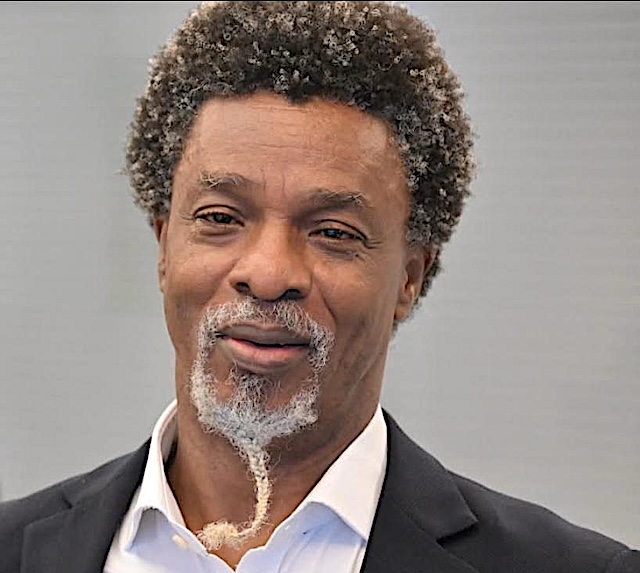
On a quiet Sunday morning, I was going for a walk when a stranger approached me. He greeted me with a "Good morning, sir". He then asked, "I see you on walks around the estate with a camera. Are you into architecture?" I replied, "No, I’m a birdwatching and photography hobbyist". His reaction was surprising. He exclaimed, "Birdwatching?!" I couldn’t tell if he was in disbelief, disgust, or pleasantly surprised. Then he said, "Isn’t that what ‘Oyinbo people’ do?" This moment made me realize that seven years after the covid-19 pandemic, my interest in birdwatching had taken me into a space that many Nigerians find strange.
A few months before, during a larger birdwatching trip outside Lagos, we passed a group of villagers. We exchanged greetings and moved on. I overheard one villager telling another, "àwọn ègbè ẹ l’ẹyẹ nìyẹn". This means, "those are members of the bird group". As we walked through the bushes, the meaning of this comment weighed on our team. It seemed harmless, but for many Nigerians, birds (and bats) are seen as shape-shifting beings. They are often thought to be witches heading to meetings, or even worse entities.
Being part of the "bird group" sounded ominous. It was a bad label and could even affect how people see us in society. The local view of birds leads to a dislike for them. This attitude influences how we treat trees that are homes for birds. People often want to cut down trees, especially when they hear scary bird calls. Many believe that the cry of a witch from the treetops is a sign of misfortune. This belief clashes with the scientific facts that trees help fight climate change and prevent soil erosion.
Birdwatchers in Nigeria face many challenges when trying to protect wildlife habitats. The situation with wetlands in Lagos State highlights this struggle. Wetlands are crucial for managing floods. They act like natural sponges, soaking up excess water and releasing it slowly. This helps prevent floods from becoming too high or fast. Instead of preserving wetlands, we cover them with buildings and then hold clean-up days to manage flooding, which is not effective.
Wetlands are vital ecosystems. They support a wide variety of life. Even though they take up a small part of the Earth, they are home to many species. Destroying these wetlands limits the space for birdwatching. This raises a common Nigerian question: "Who benefits from birdwatching?"


This question leads to another: "What would Nigerian urban planners do with the 843 acres (341 hectares) of land between the Upper West Side and Upper East Side in Manhattan?" Most would likely make it a concrete area for real estate. But Central Park in New York is a birdwatcher’s dream, a key stop for migrating birds. Many Nigerians visiting New York might not even think to appreciate its birdlife.
My point is that Nigeria does not support birdwatchers. There is a general disinterest, along with more direct threats from those who might demand payment for using birdwatching gear in their areas. Security officers may also see birdwatchers as suspicious, which creates a tense environment for those carrying cameras and binoculars. There’s a cultural aspect that makes it awkward to carry such gear in public.
A few years ago, a seasoned birdwatcher told me, "If the mosquitoes bite, then you are in the right spot". Yes, mosquitoes are one of the less pleasant aspects of birdwatching. In Nigeria, though, the mosquitoes are figuratively larger, and their bite feels more intense.



Drop your comment
No comments yet — be the first to drop the gist 👇