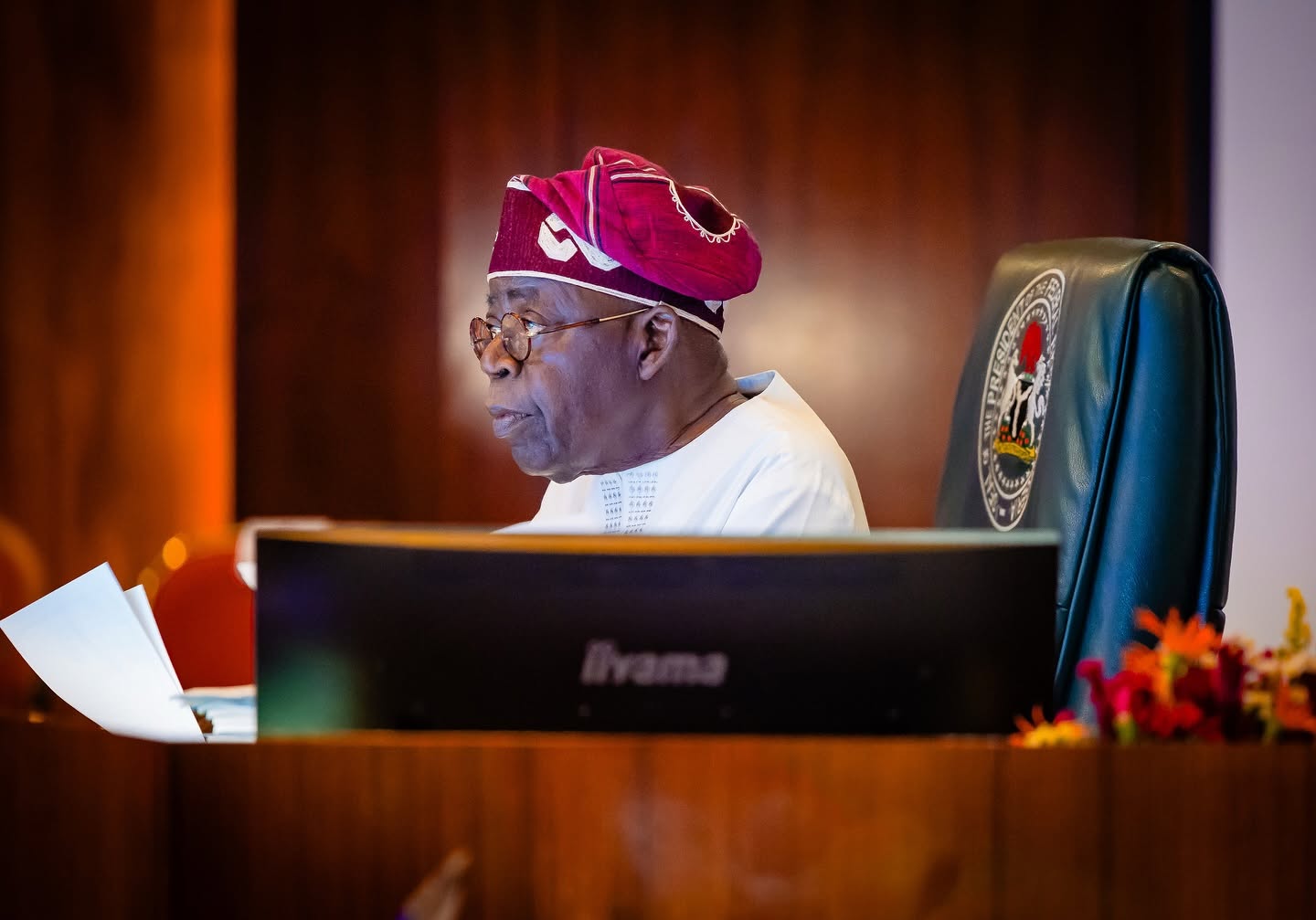
The presidency has said that the ongoing US court case involving President Bola Tinubu is a civil matter, not a criminal one.
Presidential spokesman Bayo Onanuga made this clear in a statement on Thursday. He said, "the matter is a civil records-disclosure dispute under the United States Freedom of Information Act. It is not a criminal case against President Bola Ahmed Tinubu, nor has the court found him guilty of any criminal wrongdoing."
Mr Onanuga accused the opposition of misrepresenting the case. This case involves the civil forfeiture of funds by Mr Tinubu to the US government while he was under investigation for drug-related offences in 1993, six years before Tinubu became the governor of Lagos State.
BACKGROUND OF THE CASE
Onanuga provided more details about the case. He noted it comes 23 years after the American Consulate in Lagos informed the then Inspector General of Police, Mr Tafa Balogun, that an FBI records check found no criminal arrest records or warrants for then Governor Bola Ahmed Tinubu.
In 2022, Mr Aaron Greenspan, known for working with Nigerian opposition figures like David Hundeyin and Atiku Abubakar, made FOIA requests to several US government agencies. He sought records about President Tinubu. When the agencies withheld certain records or refused to confirm or deny their existence, Greenspan started Civil Action No. 23-1816 in the US District Court for the District of Columbia in 2023.
The court allowed President Tinubu to join the case as an intervenor. During the case, the Defendants used the "Glomar defence." This is a common defence US law enforcement agencies use. It means the agency cannot confirm or deny an investigation's existence. This protects government personnel and the methods they use to investigate and prosecute crimes.
Because of this defence, the United States District Court granted summary judgment in favor of the CIA, EOUSA, Department of State, Department of the Treasury, and the Internal Revenue Service (IRS). The court removed them from the case, leaving claims involving the Federal Bureau of Investigation and the Drug Enforcement Administration for further review.
In line with the court’s orders, the FBI and DEA provided 399 pages of records, but some parts were redacted under laws that protect certain information. The Plaintiff challenged the redactions made by the FBI and DEA.
The FBI and DEA, through the US Department of Justice (USDoJ), pushed back against the Plaintiff’s requests. They said they cannot produce the documents without redactions for several reasons:
- Some documents are protected by law, like Grand Jury proceedings. The law keeps Grand Jury transcripts private. The Pen Register Act also prevents disclosing certain court orders for using devices that track calls. (FOIA Exemption 3)
- Some documents are covered by attorney-work product and attorney-client privileges. These documents show when FBI and DEA agents sought legal advice from USDoJ lawyers. (FOIA Exemption 5)
- Some documents were prepared for law enforcement purposes. (FOIA Exemption 5)
- Some documents contain personal information that, if made public, could invade someone's privacy. (FOIA Exemptions 6 and 7(C)).
- Some documents could reveal the identities of confidential sources or compromise the methods used in investigations. (FOIA Exemptions 7(D) and 7(E))
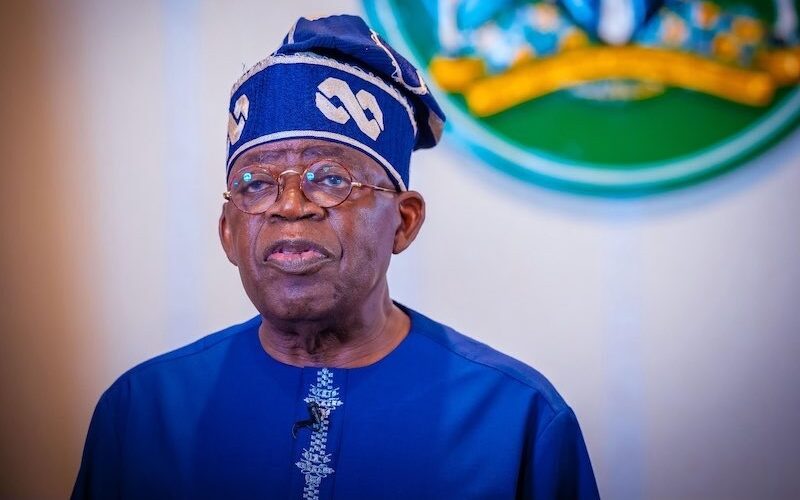
President Bola Tinubu, on his lawyers' advice, has also claimed his rights under FOIA Exemption 7(C). The Plaintiff has until September 11, 2026, to oppose and reply to the Defendants’ and Intervener’s submissions. The FBI, DEA, and the Intervener have until September 18, 2026, to respond to any submissions from the Plaintiff.
The release or withholding of records under FOIA does not create criminal liability. This case is about access to government records and how statutory exemptions apply.
The Nigerian media should note that Judge Beryl A. Howell of the United States District Court will control this case. She will decide based on the evidence, law, and parties’ arguments, not on what Alhaji Atiku Abubakar or his agent, Mr Von Batten, wish.
Recent comments by Mr Karl von Batten have misrepresented him and his client as key players in this case. Neither is a party to this matter.
This litigation is a civil records-disclosure dispute under FOIA. It does not involve criminal charges, trials, or findings against President Tinubu. The FBI and DEA have produced redacted records, and the main question is whether those redactions are lawful.
The United States District Court will make that decision based on the filings and US law, not political opinions.
The Presidency urges the media and the public to separate verified court proceedings from partisan speculation.
Bayo Onanuga
Special Adviser to the President
(Information and Strategy)
September 3, 2026

Drop your comment
No comments yet — be the first to drop the gist 👇