The loss of 37 lives in state custody shows serious problems with public safety. Just setting up a panel is not enough. Real leadership means making strong reforms, holding people accountable, and ensuring justice. If the government does not focus on prevention and holding officials responsible, custodial deaths in Nigeria will keep happening.
Failure isn’t fatal, but failure to change might be. , John Wooden.
The Federal Government's response to the deaths in the Nigeria Security and Civil Defence Corps (NSCDC) Niger State Command is a needed first step. They formed a ten-member independent committee and suspended 21 officers. Good governance means those found guilty must face the law.
But history shows that forming panels after such tragic events often becomes just a show. These actions deal with the surface issues while the deeper problems stay the same.
Nigeria's security system has been stuck in a pattern of reacting to incidents for years. Niger State has seen many security failures that went unpunished. Communities have faced many horrors, leading to official panels or statements that did not result in real accountability.
For example, more than 130 schoolchildren were abducted in Tegina, Rafi Local Government Area, where non-state actors acted without fear. There have also been military airstrikes that killed civilians, like the accidental strike in January 2022 in Niger State. Administrative inquiries often do not lead to prosecutions or sanctions.
If the Jonathan Kure-led committee and the Ministry of Interior want to show real commitment, they need to go beyond just asking questions. They must challenge state governors who hide behind legal loopholes. The claim that solid minerals are under the Exclusive Legislative List has allowed state leaders to avoid responsibility.
Looking at the country as a whole, history shows that once public anger fades, action slows down. Reports are not published, senior officers escape punishment, and compensation for victims' families, when suggested, is rarely paid. Investigating custodial deaths without fixing the system that causes them means another committee will form soon enough.
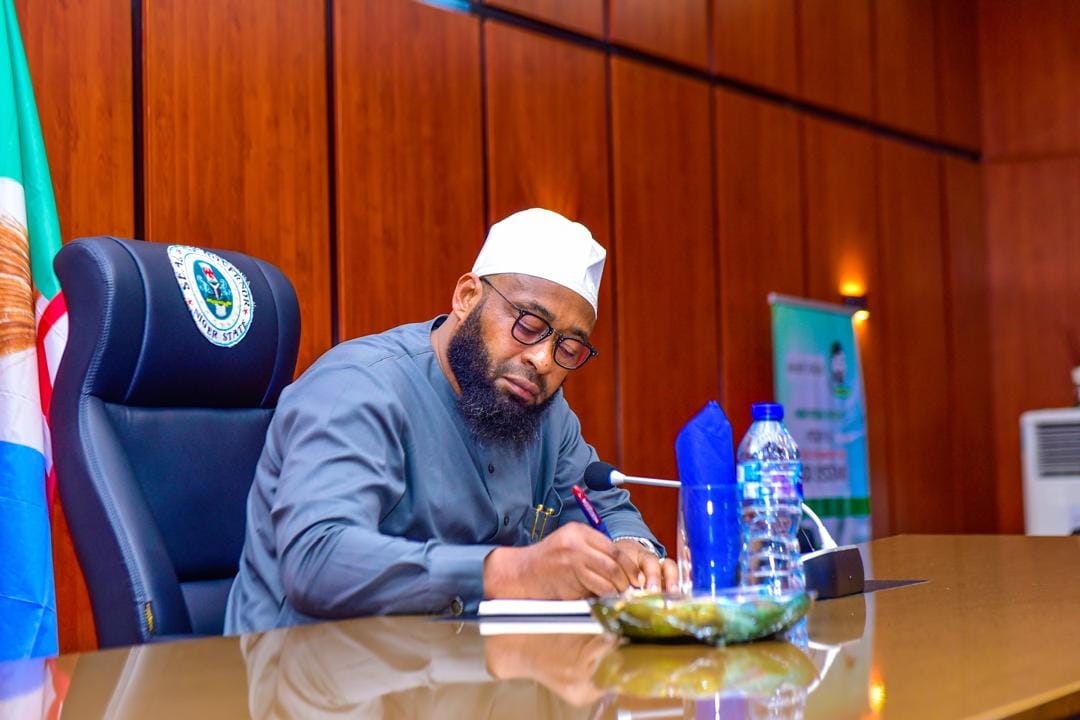
The Jonathan Kure-led committee and the Ministry of Interior need to act decisively. They must confront state governors who use legal loopholes as shields. State governors are the chief security officers and have the power to stop illegal activities before federal agencies get involved.
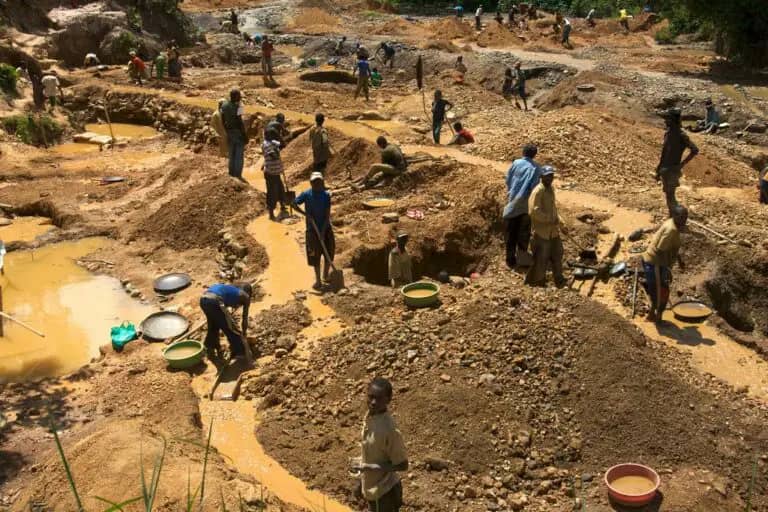
Letting thousands of illegal mining operations run freely in the states, often using child labor, is a clear failure of state responsibility. Governors cannot let these shadow economies thrive and then only react when people die in custody.
The Federal Government must also be ready to tackle issues in the extractive industry. Too many lives are lost, the environment suffers, and the economy is damaged. For decades, the theft of minerals and oil has hurt the country in many ways while enriching a few people.
The federal government must fix serious failures at the command level and stop blaming junior staff. They need to enforce proper detention protocols in all state commands and work with other agencies to break up the networks behind illegal extraction. It is also essential to address environmental damage and report on deaths in custody caused by toxic substances.
Finally, the Federal Government must be politically ready to tackle issues in the extractive sector. Too many lives are lost, the environment suffers, and the economy is affected. The theft of minerals and oil has harmed Nigeria in many ways, benefiting only a few.
The loss of 37 lives in state custody shows serious problems with public safety. Setting up a panel is not enough. Real leadership means making strong reforms, holding people accountable, and ensuring justice. If the government does not focus on prevention and holding officials responsible, custodial deaths in Nigeria will keep happening.
Drop your comment
No comments yet — be the first to drop the gist 👇