
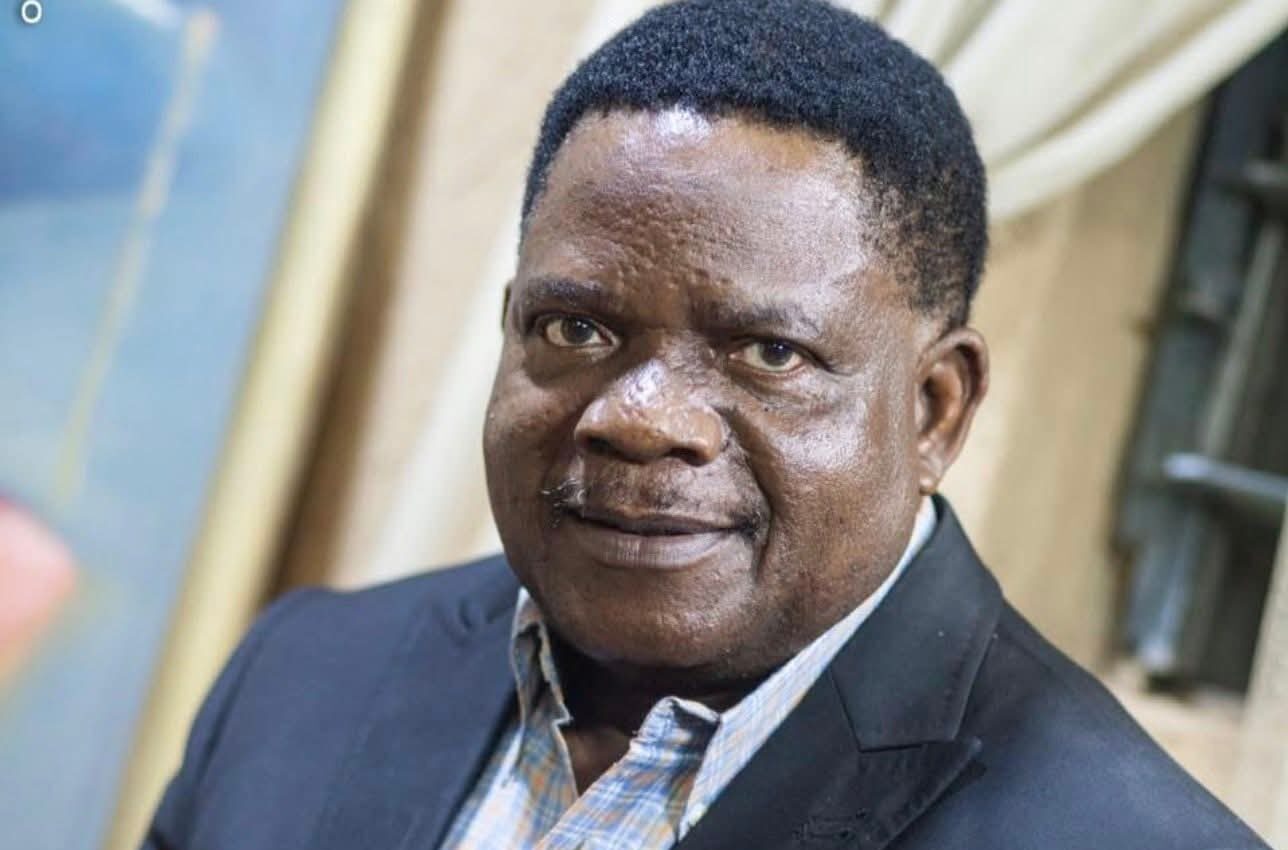
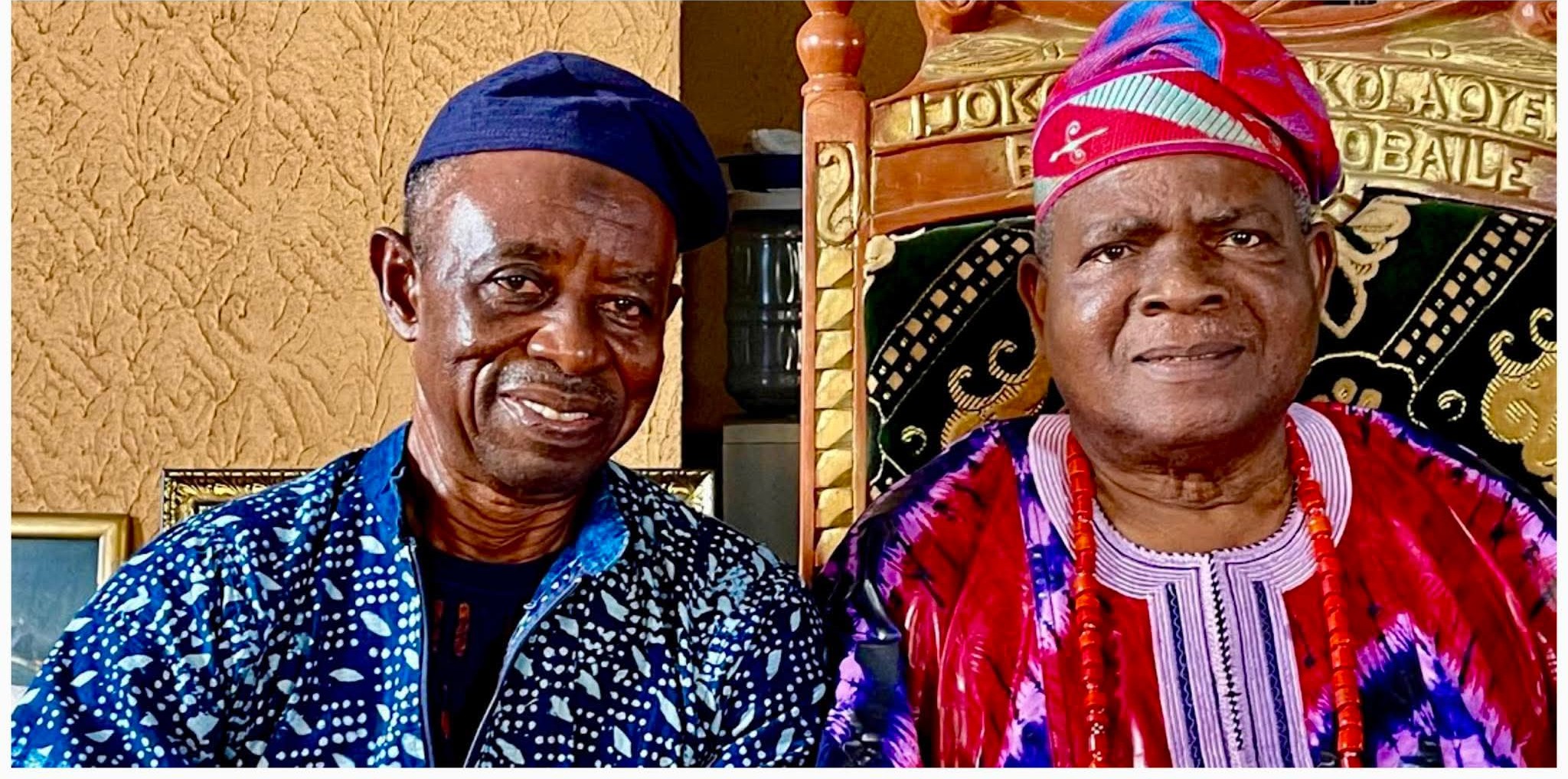
In Saworoide, Kola Oyewo captured our hearts as he played the Lápité character with amazing skill. He had the presence of a true king. He turned wickedness into an art form; he was cruel, tough, selfish, tricky, and smart, yet we all admired him. Ironic? Maybe not.
Professor Biodun Jeyifo once gave me deep insights into that unforgettable performance.
In his important 1984 book, The Yoruba Popular Travelling Theatre of Nigeria, Mr Jeyifo pointed out that the Yoruba travelling theatre is known for its great movement, strong cultural roots, and lasting impact on modern African drama.
But what I found most interesting from Mr Jeyifo's argument was this: while earlier scholars looked down on traditional popular theatre as rough “folk” art, Jeyifo praised the Alarinjo tradition as a thoughtful, refined, and deep art form that helps us understand African societies better.
The Alarinjo Legacy
Until he passed away yesterday, Oyewo was one of the few who came from that great Alarinjo culture. After finishing Modern School in Osogbo, he joined the Oyin Adejobi Theatre Group. He learned from greats like Lere Paimo and Oyin Adejobi. Like others from Alarinjo, he learned all aspects of performing arts: singing, dancing, acting, and drumming. After about ten years with Oyin Adejobi’s Theatre Group, he moved to Ori Olokun Cultural Centre to join the University of Ife Theatre under Ola Rotimi in 1973.
His amazing performances in the later years of Saworoide and Koseegbe did not happen by chance. He learned from the best through many years of practice and study.
For Alagba Oyewo and actors of his time, it was not just about what the script said. It was about how deeply they performed, that touch of realism that is often missing in today’s performances.
Unlike many others, Oyewo brought the town’s stories to the stage, sharing rich insights from his long experience.

Koseegbe
One of Kola Oyewo’s most unforgettable roles on screen was in Koseegbe, where he played Mako, a strict but vulnerable Customs boss.
I never met Oyewo, but those who knew him said Mako was just like him in real life: principled, firm, and focused. If anyone doubted that, his commitment to his studies, even attending some classes with his son, showed his determination. He climbed to the top of the academic ladder, showing true grit. In a way, Oyewo’s Koseegbe reflects life imitating art.
A True Product of the Alarinjo Era
He went on to serve as a senior lecturer at Obafemi Awolowo University, led the Department for Dramatic Arts at Redeemer’s University, and later worked at Elizade University.
Oyewo left us with many memories to cherish him as a true product of the Alarinjo era: As Odewale in The Gods Are Not to Blame, he brought attention to Ife with a performance we will never forget. As Lapite in Saworoide, he made us love the villain. As Mako in Koseegbe, he stood for moral strength. As one of the few surviving actors who linked the Alarinjo years to today, he gave Yoruba Cinema great depth, discipline, and real language.
The last time I saw him was in a video made by Nollywood star Kunle Afod. In that visit to his home, the energy and strength of the past Mako and Lapite had faded with age and sickness. But his voice, strong and principled, was still there. I believe he held onto that until the end; he was a principled man through and through.
Rest well, Labaluyeke.



Drop your comment
No comments yet — be the first to drop the gist 👇