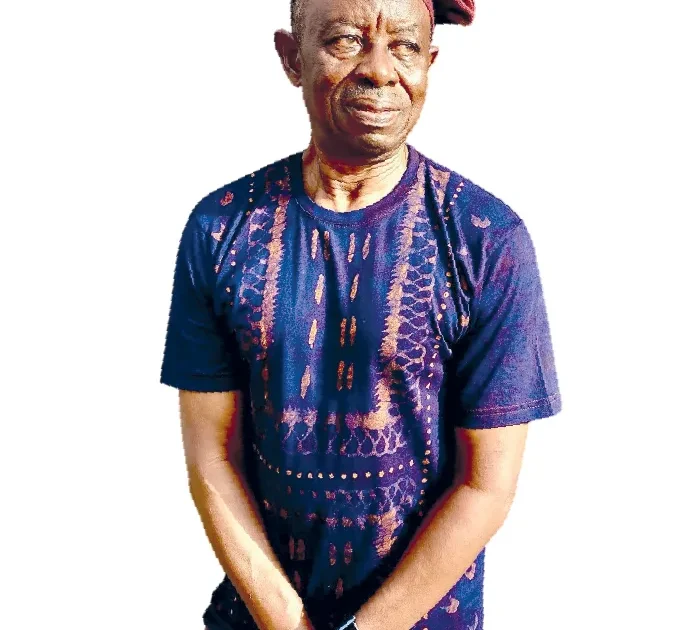
Veteran filmmaker and cinematographer, Tunde Kelani, shares his journey and thoughts on the film industry with VERA ALKALI.
You have had an amazing journey in film. Can you share the highs and lows of your career?
It is hard to pick just the high points. I joined the film industry at a young age. My uncles were already in the business, and I grew up in Abeokuta, Ogun State. There, I was exposed to various cultures and oral traditions.
Once I could read and write in Yoruba, I took off. Abeokuta is a cultural hub, and that is where my journey began. I read to my grandfather, and we learned English along with Yoruba. I compared what I learned in school with what I absorbed from Yoruba culture.
That was my start. I later got into photography and then into motion pictures. I worked at Western United Television, where I trained as a film cameraman.
After that, I attended the London Film School to learn more about filmmaking. When I returned, I worked in television for a year or two before I became an independent filmmaker.
I began to see films from people like Professor Wole Soyinka, Bandesola Oru, Rasheed Onikoyi, and Hubert Ogunde. I knew some of these people, and I had watched their works on the big screen.
Before that, I was already a film lover. I watched nearly all the films that came to Lagos and were shown in the theatres back then.
On the bright side, I chose cinema to promote, preserve, and document the rich Yoruba culture.
I have learned from global cinema, including Hollywood, Japanese, Indian, Italian, and European films, but people often ask me, “What is your style?” I say my style is unique. I appreciate global cinema, but I am still moved by the Yoruba acting tradition.
I have seen greats like Kola Ogunmola and Oyin Adejobi. They were my mentors, and that really shaped my path.
You mentioned being influenced by different cinemas. What cultural shocks did you experience in filmmaking?
Global cinema is all about identity. You can tell an Indian film when you see one. The same goes for Japanese or South Korean films.
When you see me as a Yoruba man in my abetiaja cap, it's clear that is our identity.
You have worked as a cinematographer, director, and producer. Which part of filmmaking do you love the most?
I trained for two years at the London Film School. I focused on the Diploma of Art and Technical Filmmaking.
Mostly, I am a storyteller. I share my experiences, culture, and history, using cinema as my way to share them.
As a Yoruba man, what does it mean to tell your stories in Yoruba and preserve your culture through film?
That is everything to me. It is my life. It is my culture and language.
I advocate for indigenous cultural expression and believe Nigeria should unite in diversity.
Our films do not show enough of that diversity. We have over 300 languages, but we rarely see movies that highlight these different cultures and languages in Nigeria.
How do you choose which stories to tell?
My works are mainly adaptations from literature. Films like ‘Oleku’ come from authors like Femi Osofisan.
Most of my films are adaptations. I work from text to screen because of my background. I have read works by many authors.
Some films are ‘conscience drama’ exploring socio-political themes. ‘Saworoide’, ‘Arugba’, and ‘Campus Queen’ are examples of such films.
What drew you to adapt literature into film?
I was born in Lagos, but my father raised me in Abeokuta. I missed my mother but had many people caring for me.
I felt lonely, and reading became my escape. That is how literature became a big part of my life.
Filmmakers often find it hard to pick a favorite. If you had to choose, which one would it be?
All my works bring me joy and recognition, but they each come with challenges. Making a successful film is tough.
My latest film, ‘Cordelia’, is my favorite.
Can you tell us about making ‘Cordelia’?
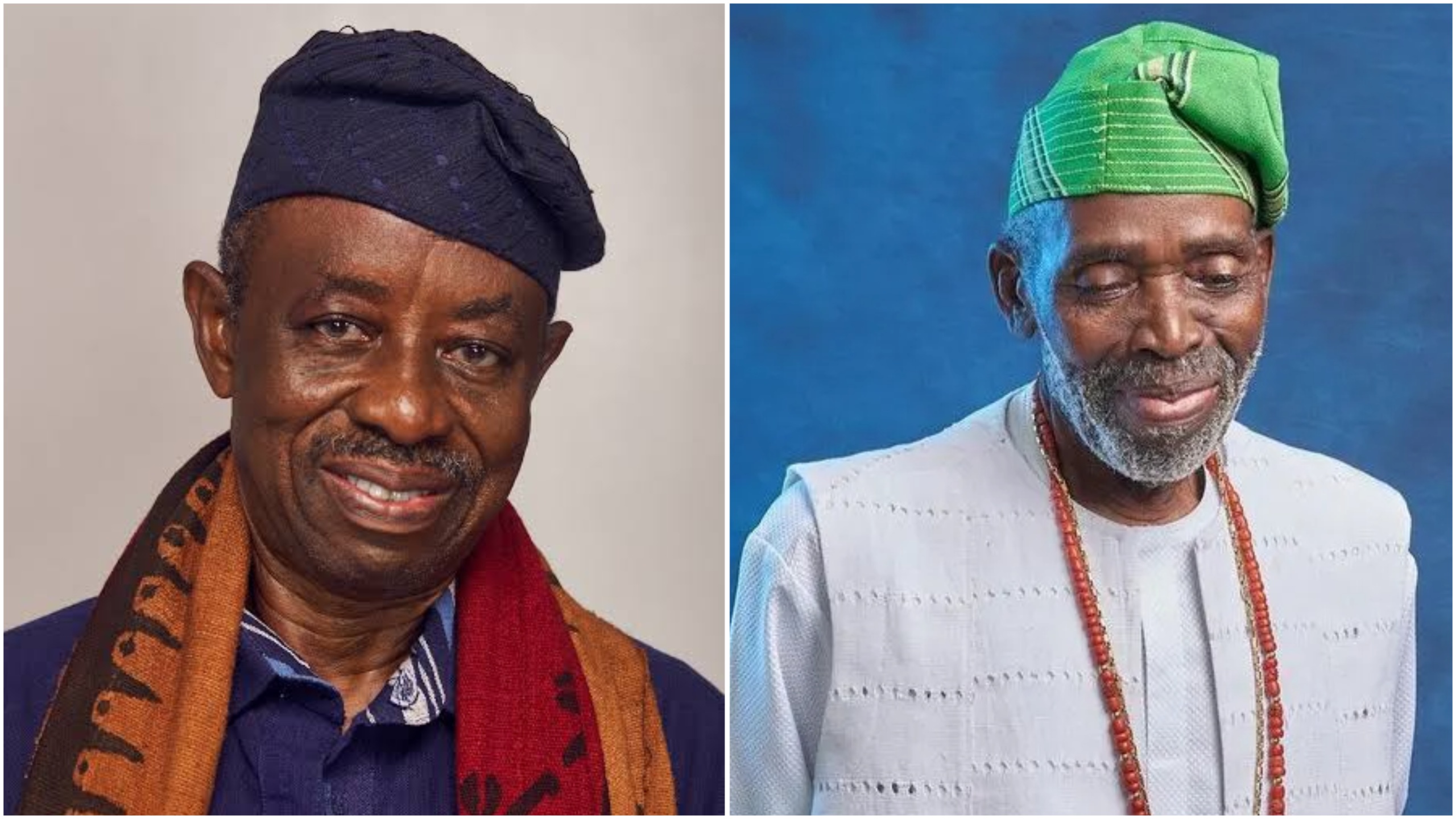
‘Cordelia’ is adapted from Femi Osofisan’s novel of the same name. I had the project for years.
I nearly made it before ‘Maami’ (which came out in 2012). When I spoke to Femi Osofisan, he wanted to know why I was so interested in it. He went on to make ‘Maami’, but I insisted on ‘Cordelia’.
Three or four years ago, I had visitors from the University of Delaware. Their music department wanted to create a cultural fusion. They asked if we could make a new soundtrack for a film.
I was interested. They wanted an old film, but I said, “No, we will create a new film.” I told them about ‘Cordelia’ and how it could inspire a great musical score. The story is dramatic enough for a strong musical composition.
When you compare filmmaking now with your early days, which do you feel more connected to?
It does not matter because I have worked with all the new technologies in filmmaking.
Recently, I finished a project in a small studio I call “Studio Lab.” I combined all the known technologies, like physical sets, green screens, and traditional props.
I also added digital cinema cameras and artificial intelligence. So, it all comes together.
What do you think about artificial intelligence in filmmaking?
Artificial intelligence is everything. Just like when computers came, I knew it would enter film production too.
I embraced it early on. We should welcome technology, but it should not replace our culture or language. We need to control it and tell our own stories.
How do you mix artificial intelligence with Yoruba and other cultures?
Artificial intelligence is already a tool. For most films, we write the script in English and later show the dialogue in Yoruba.
Filmmaking requires teamwork. You might have 150 people working on a film, and many may not be Yoruba.
You gather the team and use the technology available. The technology is just a tool, but the final product reflects what you want it to be.
There are more Nigerian movies in cinemas now. Do you think contemporary filmmakers are doing enough to keep Nigerian cultures alive?
We have gatekeepers, those who fund films. They often care less about cultural preservation. They want to make money.
They might not back a movie they think won't sell, and that can be a problem.
The world is changing fast, and people's tastes are shifting too.
I see myself as a “techie.” Despite my experience, I am still amazed at what you can do with a smartphone. I even lectured with mine today.
That is what technology is about. We have seen similar changes with video games and mobile phones, and now artificial intelligence is part of the conversation.
These are all tools.
You recently received an award from the Nigerian Academy of Letters. Did you expect such recognition when you started?
I did not aim for recognition. I was simply passionate about what I did. From photography to cinematography, advertising, and music, I was driven to create and communicate.
I had stories to share, and that was my focus. I wanted to use any medium available to tell those stories and connect with people.
I cared more about the work itself than whether I would be recognized for it.
So, awards were never my goal. I appreciate them when they come, but when I started, I was just following my passion. I was learning and trying to tell stories I believed were important.
If you are passionate and committed, recognition may come, but it should not be your main goal.
Many young filmmakers look up to you. What advice do you have for them?**
First, it is all about passion.
You must be passionate about what you do. Without passion, it is hard to keep going, especially in a creative field where challenges and disappointments are common.
In my case, I am not supposed to be known since I work behind the camera. I am not a star. My role is to help tell the story and make sure it reaches the audience well.
I have always been okay with being behind the camera and letting my work speak for itself.
For young filmmakers, I advise them not to rush for fame. Focus on learning your craft, understanding the medium, and finding your voice.
You must keep learning because filmmaking is always changing. Technology changes, platforms change, and how people enjoy stories changes, but the need to tell good stories stays the same.
There are different roles in filmmaking. You do not have to be in front of the camera. You can be a cinematographer, editor, writer, sound designer, director, or take on any other role that makes filmmaking work.
What matters is finding where your passion lies and developing your skills there.
For me, the key is to stay committed to the work. Fame and recognition may come later, but they should not be the main thing.
If you have passion, discipline, and a story to tell, keep working on it. In the end, the quality of your work will shine through.
Drop your comment
No comments yet — be the first to drop the gist 👇