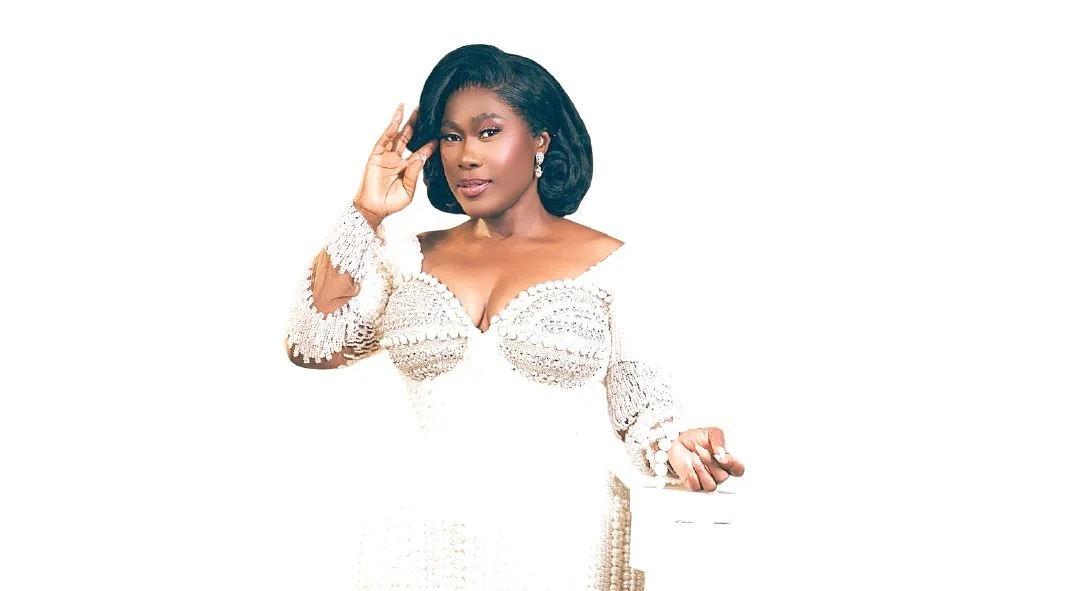
Actress and filmmaker, Uche Jombo, spoke with FAITH AJAYI about her career and other issues.
After nearly three decades in Nollywood, what do you think helped you stay relevant?
The biggest decision I made was not letting myself be defined just by the roles I played. Early on, I realized that to last in this industry, I couldn’t just wait for someone to call my name. I had to ask myself: What’s next? What can I create?
I saw many talented people leave because the industry no longer needed them as before. That taught me an important lesson: talent alone can’t sustain a career.
The second thing I did was to invest in relationships. Not just networking in a shallow way, but building real, long-lasting connections with directors, writers, producers, and crew members. Those relationships kept me involved in discussions that shaped the industry's direction.
Then, there’s curiosity. I never stopped wanting to know what was changing, what new platforms were doing, and what audiences wanted. For me, adapting isn’t about following trends; it’s about understanding deeper changes happening around us.
You’ve done many roles, including actress, writer, producer, director, and entrepreneur. Which role taught you the most about Nollywood's business side?
I would say producing. When you produce a film, you are involved in every part of bringing a story to life. This includes managing budgets, negotiating with distributors, planning marketing, managing actors on set, and dealing with investors whose expectations may not match your creative ideas.
As an actress, someone else takes on that financial responsibility while you focus on your performance. As a producer, you are responsible for whether the film makes back its investment. That learning is priceless.
It also gave me a different respect for the business side that keeps a creative industry going. I began to see Nollywood not just as a collection of stories, but as an economic system filled with real problems that need fixing from within.
Many actors only think about structure and career planning after facing setbacks. What do you wish you had known about career planning when you started in Nollywood?
I wish someone had told me, “Your face is not your brand. Your consistency, choices, and reputation are your brand.” When I began, I was very young and didn’t have a plan for my career. I reacted to opportunities, trends, and what people said I was good at. I didn’t realize I needed to make proactive choices.
Financial literacy is another area that was lacking. Nobody in my generation was talking about royalties, contracts, or intellectual property. You just showed up, performed, collected your pay, and moved on.
The idea that you could negotiate terms or ask about distribution or residuals wasn’t part of the conversation when I started. I had to learn everything the hard way.
I advise any young person entering this industry now to build structure early, before they actually need it.
What do you think the industry still gets wrong about talent management and protecting creative professionals?
Talent management and managers are often seen as optional instead of essential. Few producers and industry players truly see the value that good talent management can bring to growth and structure.
Nollywood still lacks a proper mentorship system, industry-wide contract standards, and a solid conversation about the mental health and well-being of creative professionals. These responsibilities often fall on talent management companies.
What are some hidden challenges behind the glamour of Nollywood?
The public sees the premieres, red carpets, and social media highlights, which is great. But behind all that is a level of physical and emotional exhaustion that isn’t fully understood.
There are long shoots with unpredictable schedules, the emotional stress of playing traumatized or troubled characters, and then needing to switch back to yourself at the end of the day. That can take a toll.
For many in this industry, there is no support system to help process those experiences. There is still a strong stigma around discussing mental health in Nigerian professional settings, and the entertainment industry is no different.
I’ve seen colleagues go through dark times that the public never knew about because everyone felt they had to show strength.
There’s also financial instability that people rarely acknowledge. Even when you are popular, there can be gaps, like projects that fall through, late payments, and constant uncertainty about what’s next.
You learn to separate your public life from your private worries, and keeping that divide can be tiring.
As filmmakers create content for global audiences, how do you balance international appeal with your cultural identity?
This is something I think about deeply because I’ve seen both sides closely.
There’s a version of “going global” that loses cultural identity for a bigger budget, where everything specific and local is left out to sell a story better. I’m not interested in that.
The truth is that stories that have done well internationally often succeed because they are culturally specific. Specificity brings emotional truth, and emotional truth is universal.
We must resist the idea that global audiences can’t handle complexity, understand cultural context, or appreciate stories that look different from what they know. They absolutely can.
But we need to be careful with production decisions that come with streaming deals, like the shift towards a generic “global” look that feels like it belongs nowhere.
We have to enter those partnerships with a clear understanding of what we won’t compromise.
Your films, like ‘Damage’ and ‘Holding Hope’, often tackle social issues and tough conversations. What draws you to stories that provoke social reflection?
Film is one of the strongest tools we have to change how people see themselves and each other.

When I made ‘Damage’, people said it was too uncomfortable and that audiences wouldn’t want to see those realities. But the feedback we got showed a different story.
As a filmmaker, I’m drawn to honest, complicated, and raw stories that explore the struggles of being human, especially as a Nigerian woman today.
From your view, how much progress has been made for women behind the camera, and what gaps still exist?
Progress has been made, and I want to recognize that because it matters.
When I look at the new generation of women directing, producing, writing, and starting production companies today, I feel proud. We fought for that space, and it is finally being filled.
But I want to be clear that visibility isn’t the same as equity. Women are seen more, but are women-led projects getting the same funding as those led by men? Are female directors trusted in the same way? Are stories about women getting the same distribution support as male-focused ones?
There is also a big lack of women in technical roles like cinematography, sound, and editing. These people shape how stories are seen and heard, and the gender gap is still big. We haven’t fixed that yet, and we need to be honest about it.
Have you faced times when your skills were questioned due to your gender?
I remember being in rooms as a producer where my creative choices were questioned in ways I never saw happen to my male colleagues. I also recall being on set as a director and needing to assert authority that I shouldn’t have had to prove.
Over time, I’ve learned not to make myself smaller to make others comfortable.
I come prepared because excellence is hard to ignore.
But I also want to say: the burden of proof shouldn’t rest on women. The fact that we often have to over-prepare, explain, and deliver just to be taken seriously while male colleagues are accepted without question is a structural problem, not a personal one.
Between cinema releases and digital platforms, where do you see the best future for Nollywood filmmakers?
I don’t think the answer is in any one platform. The future belongs to filmmakers who know how to work across all of them.
Cinema still holds a cultural value that streaming can’t completely match. There’s something about the shared experience of watching a film together that creates a different conversation, and that matters for certain stories.
At the same time, streaming has opened up a much wider audience than we could have reached 10 years ago.
As a filmmaker and producer, what interests me most is the ownership model behind all this.
Whether you release on Netflix, in cinemas, or on YouTube, the main questions are the same: Who owns the rights? What are your contract terms? What do you earn if the film makes money over the next decade?
These conversations need to be common knowledge in the industry.
The platform is almost secondary to the deal structure. We’ve seen many cases where Nigerian content attracts huge global audiences, yet the financial returns for the creators are still too small.
What differences do you see between the Nollywood you joined in 1999 and the new generation entering the industry?
The new generation is more informed than we were, and I mean that as a compliment.
They have access to film education, global cinema, and critical writing about storytelling in ways we didn’t have. They know their references, understand their rights, bring ideas to set, and are not afraid to voice them. I respect that.
What I sometimes see missing is patience. The pressure of social media and today’s fast content cycle has created an expectation for quick success. Many young actors want to go from their first role to an award-winning lead in just a year or two.
For some, that happens. But the craft grows over time.
Learning to embody a character, to be still on screen, to truly listen in a scene; those skills develop through experience, failures, and accepting roles that might not be a perfect fit, then figuring out how to make them work.
I hope this generation finds a way to embrace the longer journey because lasting careers take time, not just overnight success.
How do you define success in your career now?
I define success by whether I am still doing work that matters to me.
There was a time I measured success by external factors like how many films I was in, how much people talked about me, and what critics said. That still matters, but now I focus on a simpler question: am I telling stories that need to be told in a way that respects the craft? When I finish a project, did I give it my all?
And more importantly, am I building something that will last?
I also measure success by freedom: the freedom to say no to projects that don’t match my values and the freedom to pursue difficult or risky stories because I believe in them.
That kind of freedom took years to earn, and I don’t take it for granted.

Drop your comment
No comments yet — be the first to drop the gist 👇