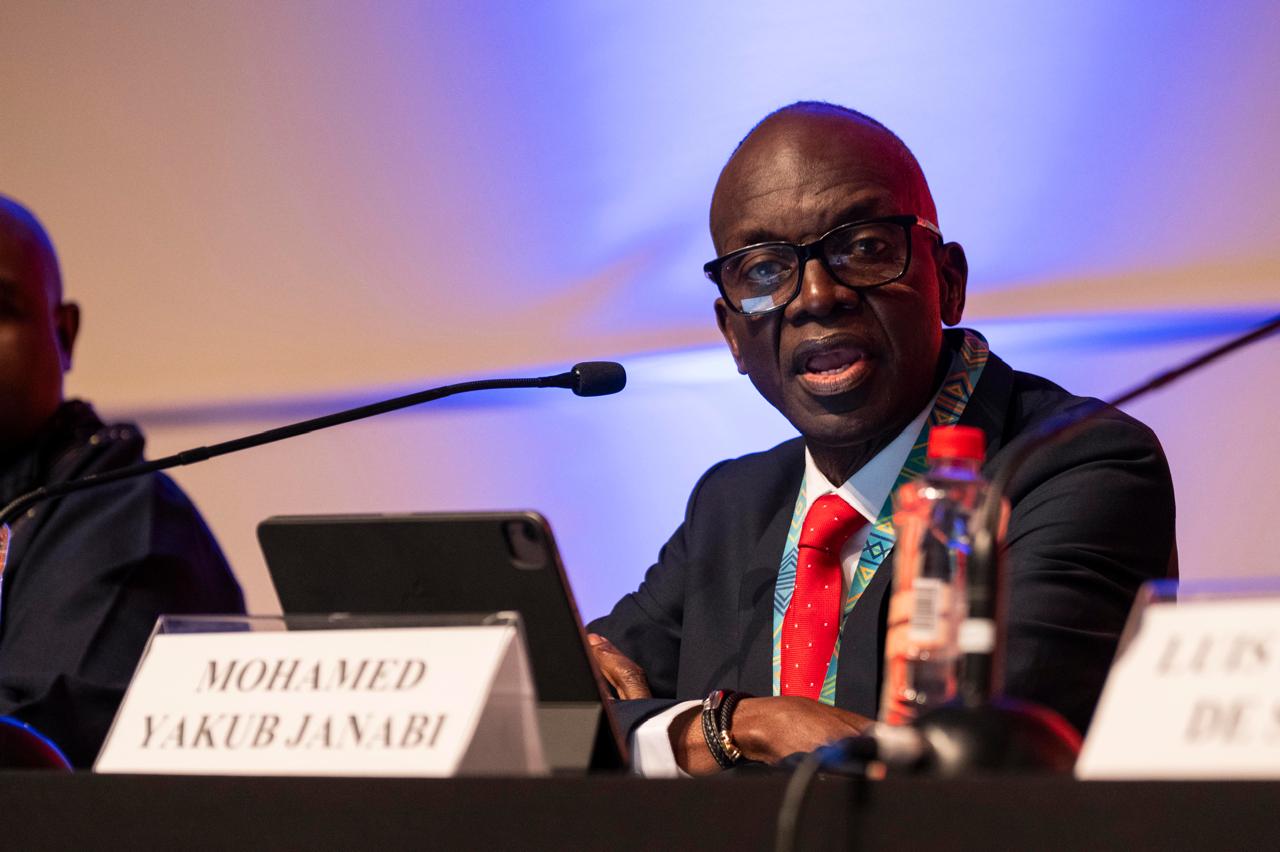
The World Health Organisation (WHO) has found that nearly three out of four adults with diabetes in Africa do not know they have it. This delay in diagnosis puts millions at risk of serious health problems.
The WHO Regional Director for Africa, Mohamed Janabi, shared this concern in a message before the 2026 World Diabetes Day, which is on 14 November.
Mr Janabi said about 24.6 million adults aged 20 to 79 were living with diabetes in Africa in 2024, according to the International Diabetes Federation (IDF).
He warned that this number could increase to 59.5 million by 2050. He mentioned that the number of undiagnosed cases in Africa is the highest in the world.
He explained that late diagnosis and treatment can lead to severe complications like kidney failure, blindness, heart disease, and amputations.
Mr Janabi emphasized that early diagnosis and treatment can prevent these complications, lessen suffering, and save lives.
Early Diagnosis
This year’s theme is ‘Early Action on Diabetes’. Mr Janabi called on individuals, communities, governments, and health workers to raise awareness, promote early testing, and ensure affordable diabetes care.
He advised the public to look out for symptoms like increased thirst, frequent urination, unexplained weight loss, constant tiredness, and blurred vision.
He urged anyone with these symptoms to get medical advice and testing right away. He also said that people at risk should get screened even if they don’t have obvious symptoms.
“Do not ignore these symptoms. Seek testing and medical advice promptly, and encourage family members and friends to do the same,” he said.
Mr Janabi also asked communities to share accurate information about diabetes and challenge the stigma around the disease. He encouraged those living with diabetes to share their stories and support others in seeking care.
Strengthening Healthcare Services
Mr Janabi urged healthcare workers to recognize diabetes symptoms quickly, provide timely testing, and give compassionate care.
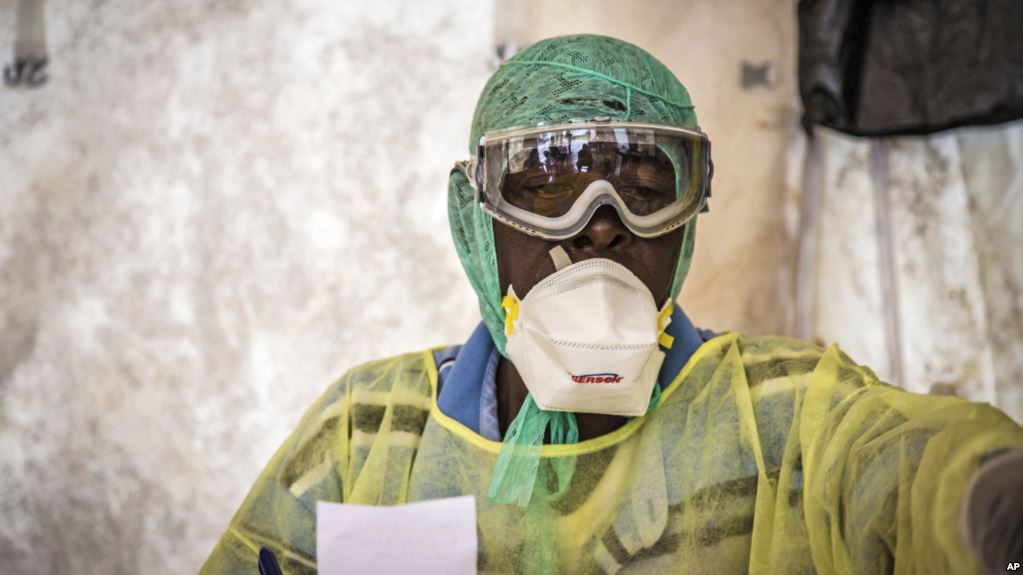

He said that the WHO and its partners are helping African countries to improve diabetes services through various initiatives. These include the WHO Package of Essential Noncommunicable Disease Interventions (WHO PEN), the HEARTS package for heart disease prevention, and HEARTS-D, focused on type 2 diabetes.
He also highlighted the Regional Strategy to Address Severe Noncommunicable Diseases at First-Level Referral Health Facilities, known as PEN-Plus.
According to him, these plans aim to enhance diabetes services at primary healthcare and first-level referral facilities. He praised Rwanda for achieving complete district-level coverage of PEN-Plus and mentioned other countries making progress.
But he noted that there are still major gaps in access to trained health workers, diagnostic services, essential medicines, and ongoing care.
Call for Increased Investment
Mr Janabi called on African governments to make diabetes prevention, early diagnosis, and continuous treatment a priority within primary healthcare systems and universal health coverage plans.
He said solving this issue will need ongoing investment in public awareness, affordable insulin, essential medicines, diagnostic services, trained health workers, and effective healthcare systems.
He also urged development partners, civil society groups, and the private sector to support government efforts, especially in areas that need it the most.
Mr Janabi reaffirmed the WHO’s commitment to helping African countries reach the 2030 goals of the Global Diabetes Compact in the region. He encouraged everyone on the continent to recognize the signs of diabetes and seek medical help early.
“Know the symptoms. Do not ignore the warning signs. Seek testing and care early. Encourage others to do the same,” he said.
World Diabetes Day
World Diabetes Day is marked every year on 14 November to raise awareness about diabetes, its prevention, diagnosis, and management.
This campaign allows governments, healthcare workers, communities, and organizations to spotlight the growing issue of diabetes and the need for better access to care.



Drop your comment
No comments yet — be the first to drop the gist 👇