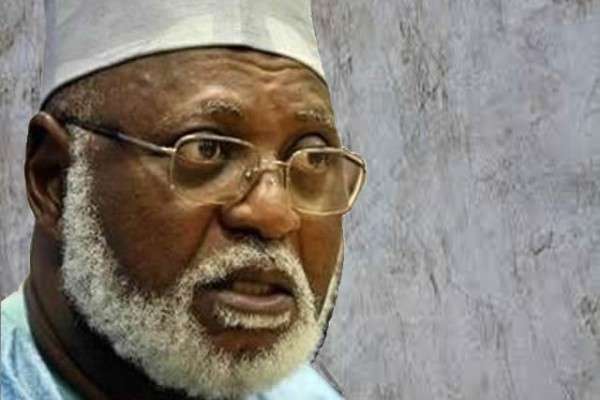
The former Head of State, Abdulsalami Abubakar, has looked back at a key time in Nigeria’s history. He said that handing over power to a civilian government in 1999 was both necessary and a moral duty to save the country from ongoing instability.
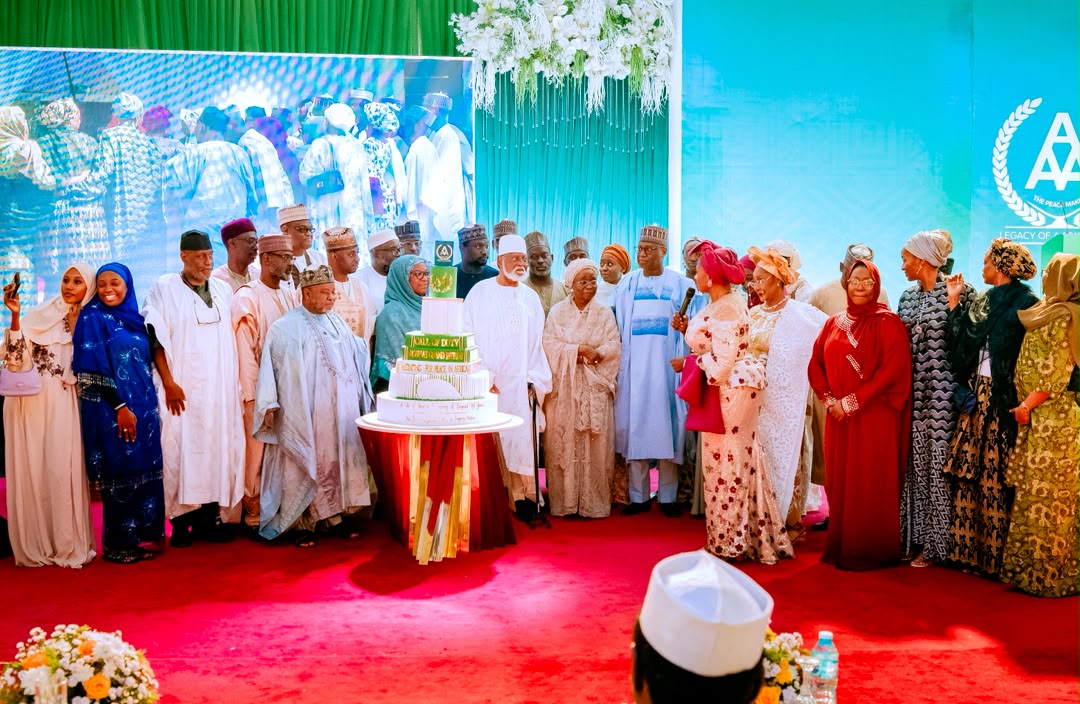
At his 84th birthday celebration and the launch of three books about his life and contributions to the nation, Abdulsalami urged Nigerians to stay committed to democracy, peace, and strong institutions. He stressed that the benefits of democratic governance are much greater than any other system.
The event took place at the State House in Abuja. It was called “The Legacy of a Statesman @ 84.” The books launched included his autobiography, “A Call of Duty: My Autobiography,” “Mediating for Peace in Africa: A Festschrift in Honor of General Abdulsalami A. Abubakar,” and “Nigeria’s Grand Patriot: Abdulsalami Alhaji Abubakar, GCFR.”
Abdulsalami was in power for 11 months from June 1998 to May 1999. He handed over power to a democratically elected government led by Olusegun Obasanjo, who had also been a head of state.
In a speech that reflected on his public service, Abdulsalami, a retired general, talked about the tense situation he faced when he took over in June 1998 after Sani Abacha's death. He mentioned that Nigeria was very divided and wanted to return to democracy when he became the leader.
“History is a way of defining the destiny of nations through critical moments,” he said.
“When I took office as Head of State in 1998, Nigeria was at a crossroads, a nation longing for stability, democracy, and good governance.”
He recalled that the call for a return to civilian government came from political leaders, civil society groups, the international community, and ordinary Nigerians who were tired of military rule.
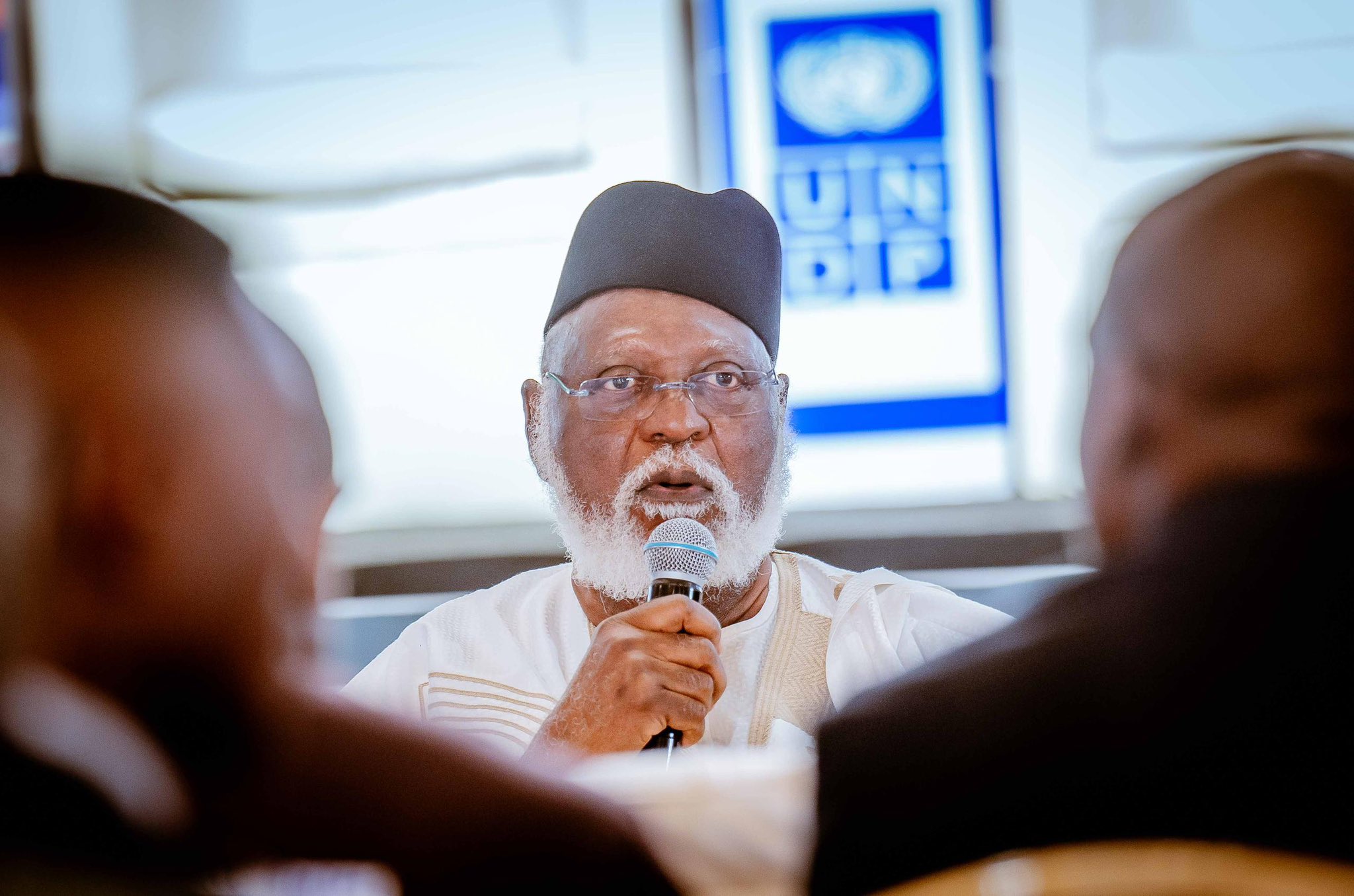
Abdulsalami said he made a serious promise to help Nigeria transition to democracy as quickly as possible. The former military leader explained that his administration worked with the Armed Forces Ruling Council, the Federal Executive Council, military leaders, and the media to fulfill that promise.
“We had to move away from decrees and create constitutional arrangements to legitimize the shift from military rule to democracy,” he said.
He repeated a belief that guided his time in office, saying that leadership should not be about power but about serving the people. “Leadership is not about power but about responsibility, and the best way to lead is to serve with integrity.”
Abdulsalami noted that in just 11 months, his administration conducted the transition program, leading to the start of civilian rule under Olusegun Obasanjo on May 29, 1999.
This handover ended over 15 years of continuous military rule and started Nigeria’s current democratic journey. He called the transition a moral duty to bring back national stability and unity after years of political unrest.
“True to this commitment, within 11 months, my administration facilitated the transition that restored democratic governance to Nigeria on May 29, 1999. This was not just a political necessity but a moral obligation to set our nation on the path of stability, unity, and progress.”
He expressed hope that Nigerians would keep building democratic institutions and strengthen the culture of democracy for future generations.


Drop your comment
No comments yet — be the first to drop the gist 👇