It is hard to understand why our president, Bola Tinubu, went to ask President Trump to launch missiles into Nigeria on Christmas evening last year. This was supposedly to target Islamist terrorists. Did the Nigerian presidency not see the new national security strategy? It clearly states that any American action will only serve the interests of the United States and not Nigeria.
Today, there are two types of countries in the world. Some are openly resisting or dealing with the United States. Others are keeping their distance from the U.S. because it has become toxic. Nigeria belongs to a unique group. We are actively seeking close ties and collaboration with the Americans. We have chosen to accept American dominance at a time when the U.S. is clearly on the decline. We are becoming friends with a country that recently sent military forces to kidnap President Nicolás Maduro of Venezuela and his wife. Why are we getting close to a country that wiped out Iran’s leadership to impose a regime change, only to learn that the Iranians do not accept bullies and can fight back?
Don’t we understand that the main lesson from American foreign affairs in the last century is about destroying countries that value their freedom? The United States is known for destroying nations. It spent 20 years trying to control Afghanistan but failed. It killed the Libyan President, turning a developing state into chaos and spreading arms that fueled terrorism in Africa. The tragic fallout from the 2003 war in Iraq still causes instability worldwide. The U.S. has also destabilized countries in Latin America like Chile, Cuba, Guatemala, and Nicaragua by attempting to remove their governments using force.
We are living in strange times where imperialist countries have stopped pretending about the rules they claim to follow. They now act out of pure power without shame or limits. They want to keep control of global resources while using old-fashioned military force. We see this in the kidnapping of Venezuela's President and his wife, the murders of the Libyan and Iraqi leaders, and the ongoing fight for Iran’s resources.
While they said they were protecting an international system, the truth is that power is what matters. From the Korean War to Vietnam and Afghanistan, outside aggression has led to the deaths of over 40 million people since World War II under American control. The guiding principle has always been extraction. But as Comrade Mao said, American imperialism is nothing but a paper tiger.
It is hard to believe that President Tinubu would beg President Trump to send missiles into Nigeria on Christmas last year. Did the Nigerian government not read the new national security strategy? It clearly says that American actions will serve the U.S. interest alone. The world knows that the idea the U.S. would help Nigerian Christians suffering from genocide by terrorists is far from the truth. Why is Nigeria seeking help from a government that will only help itself?
“Now U.S. imperialism is quite powerful, but in reality, it isn’t. It is very weak politically because it is divorced from the masses of the people and is disliked by everybody, including the American people. In appearance, it is powerful but is nothing to fear. It is a paper tiger. Outwardly a tiger, it is made of paper, unable to withstand the wind and the rain. I believe the United States is nothing but a paper tiger.”
Out of fear, Nigeria might be playing the submissive role to the U.S. But that never works because bullies act harshly towards those they see as scared. My advice to President Tinubu is to heed Chairman Mao’s words about “U.S. imperialism being a paper tiger; fear no more.”
Last week, the U.S. Africa Command (AFRICOM) announced on its website that it delivered military equipment to Nigeria. They said, “the equipment delivery is part of a foreign military sales agreement between the U.S. and Nigerian militaries,” and “the delivery furthers the strategic partnership between the two nations to enhance Nigerian efforts to counter terrorism in the region. U.S. military support to the Armed Forces of Nigeria is by its invitation and rooted in respect for Nigerian sovereignty.”
Last month, Dagvin Anderson, the AFRICOM commander, said that the U.S. pulled back many troops in Nigeria after the operation that killed Abu-Bilal al-Minuki, the second-in-command of ISIS, in the Lake Chad Basin. The next step, I understand, is working on a trade agreement between the two countries. Negotiations have been ongoing for months, now focused on American investment in critical minerals. It is troubling that our government is not telling us the details of the agreements on security and trade with the U.S. They must be hiding something because if we knew the truth, we would be outraged at how cheaply we are being sold off.
Nigerians should be worried about the lack of information about the nature, scope, legal basis, and rules governing our collaboration with the U.S. When the U.S. bombed Sokoto last December, Nigerians were not informed about why the strikes were authorized, what legal framework was used, what safeguards were in place to protect civilians, if the National Assembly had any oversight, or what accountability exists for the harm caused.
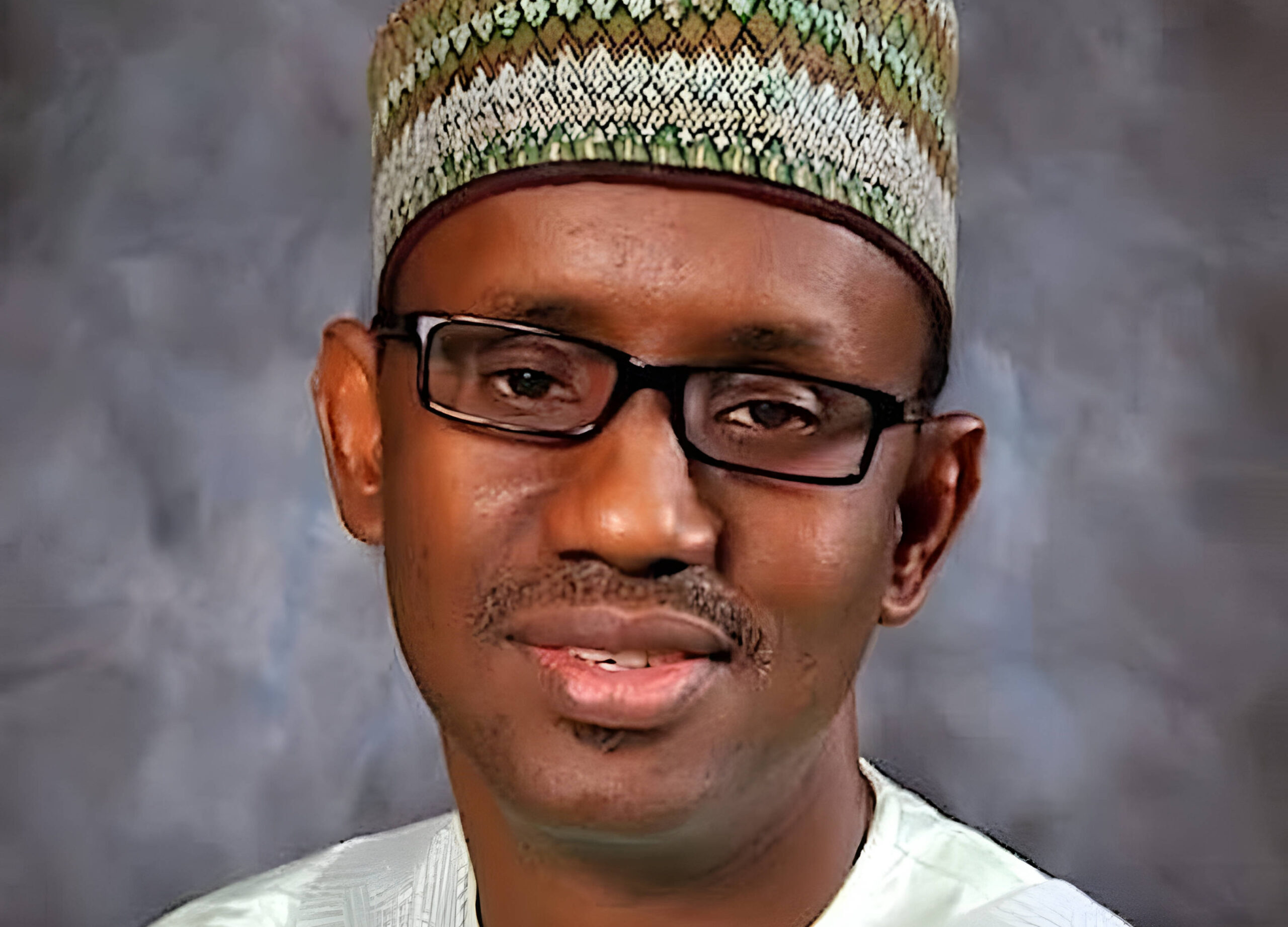
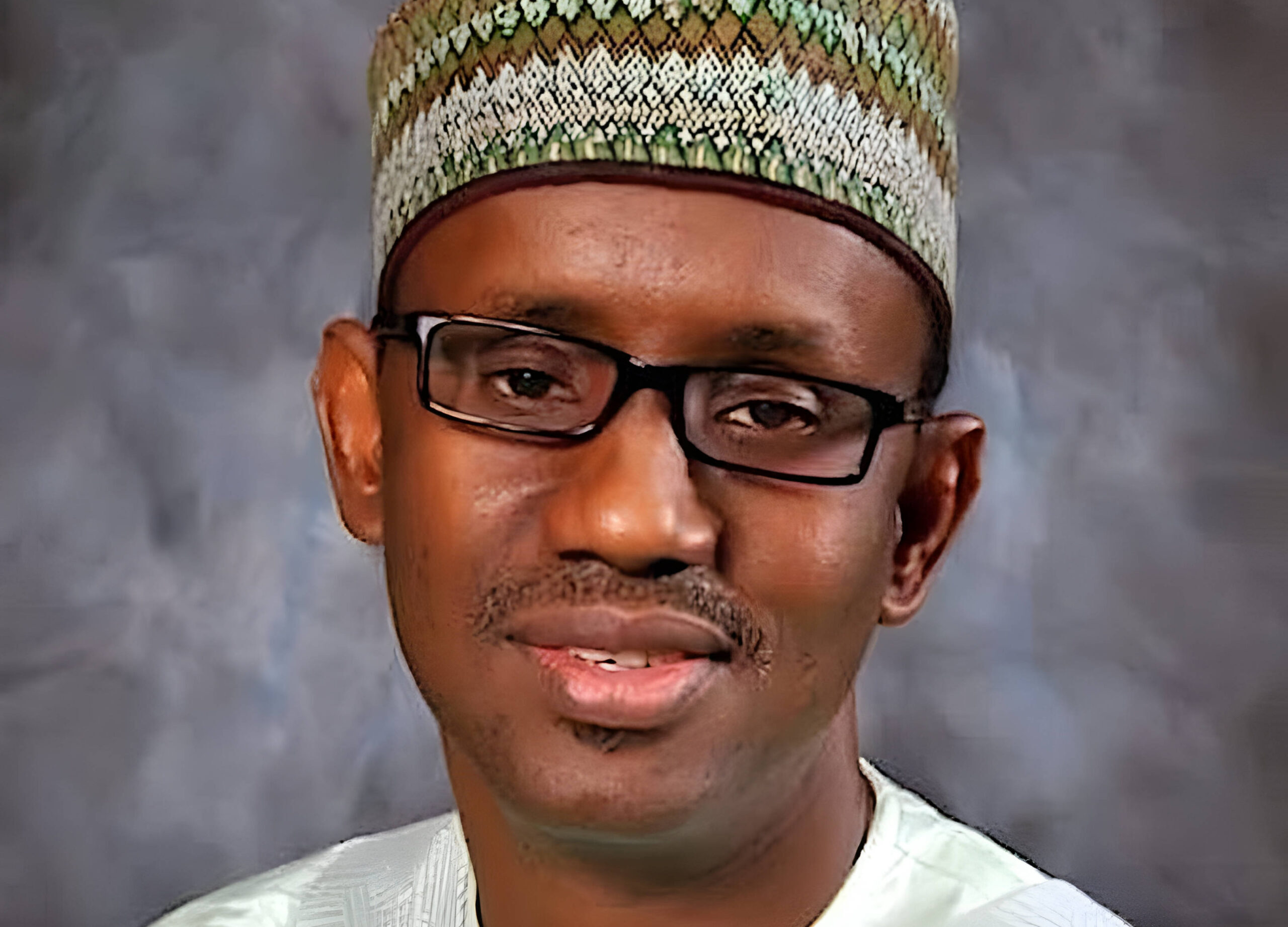
We have been told about a new forum for discussion: the U.S.-Nigeria Joint Working Group. This group is led by National Security Adviser Nuhu Ribadu and U.S. Under-Secretary of State for Political Affairs Allison Hooker. They are said to be meeting. What are they discussing?
Nigerians should be worried about the serious lack of information on the nature, scope, legal basis, and rules governing our collaboration with the U.S. After the Sokoto bombing, we still have no idea about the agreements being negotiated or their implications. This lack of clarity leads to mistrust and weakens public confidence in the government, especially when trust is already low. Nigerians are left wondering how our sovereignty is being compromised.
I have said this before. I miss the proud Nigeria of January 11, 1976, when our Head of State told the world and President Gerald Ford of the U.S. that Africa has come of age. At the OAU Summit in Addis Ababa, General Murtala Mohammed stated:
“Africa has come of age. It is no longer under the orbit of any external power. It should no longer take orders from any country, no matter how powerful. The fortunes of Africa are in our hands to make or mar. For too long, we have been pushed around: for too long, we have been treated like children who cannot see their interests and act accordingly. The time has come when we should be clear that we can decide for ourselves; that we know our interests and how to protect them; that we can solve African problems without lessons from others that often do not apply to us. Nigeria has come to this meeting ready to work with you, Mr Chairman, and with all member states to stop foreign interference in our matters. I trust that your wise guidance will help our discussions lead to outcomes that our people will be proud of.”
Drop your comment
No comments yet — be the first to drop the gist 👇