
The Governor of the Central Bank of Nigeria, Olayemi Cardoso, said the reason lower naira notes are scarce is due to less demand. This is not because the bank has stopped circulating these notes and coins.
Mr Cardoso shared this information on Tuesday during a press briefing after the 306th Monetary Policy Committee meeting in Abuja.
He said this situation shows that Nigeria is slowly moving towards digital payments and improving financial inclusion.
On July 8, the CBN confirmed that 100 naira notes are still valid for transactions. They also warned Nigerians not to reject these notes.
Mr Cardoso emphasized that how available lower denominations are depends mainly on what the public wants.
“They (lower naira denominations) are still legal tender. As long as the Central Bank has not said otherwise, please assume they are legal tender,” Mr Cardoso said when asked if lower denomination notes and coins are still valid for use.
He addressed worries about the shortage of lower denomination notes and coins. Mr Cardoso explained that this situation reflects how demand and supply work, as more Nigerians start using electronic payment options.
He pointed out that the financial system is changing to focus more on digital transactions. This reduces the need for cash, especially for smaller notes and coins.
“The question as to why we do not have as many of them in circulation as may be perceived is a question of demand and supply, quite frankly. The ecosystem is moving, as indeed we want it to move, to one of financial inclusion where digitisation is becoming increasingly important to many. If there is no need for coins or for lesser denominations, then there is no need to have them,” he said.
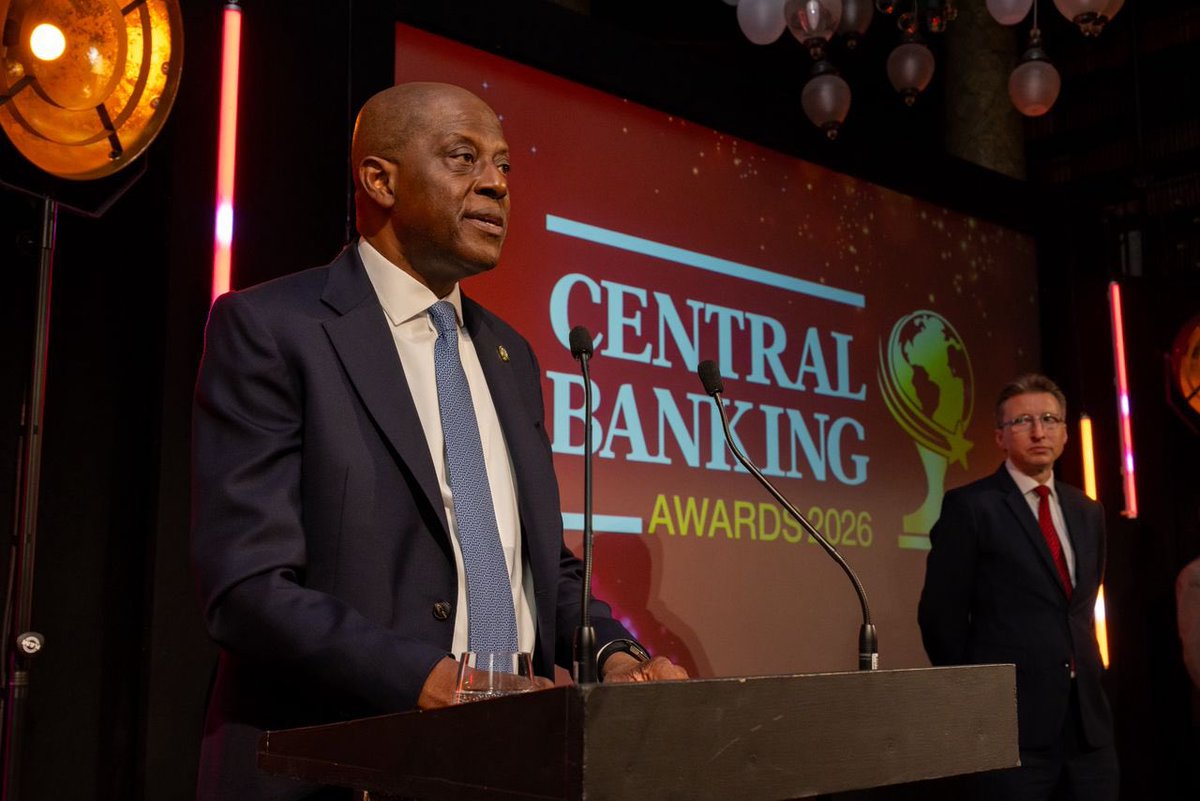


Mr Cardoso mentioned the Payments System Vision 2028, which the CBN recently launched. This plan focuses on increasing financial inclusion in the next two years.
He added that as more people adopt digital payment methods, the need for small denomination currency will likely drop.
“I think that for those of you who have followed the recent launching of our payments vision for the next two years, you’ll find that we have set ourselves a very ambitious goal to increase financial inclusion. I sense that you are likely to find less and less demand for these denominations,” he said.
He also acknowledged that the falling value of the naira has reduced what people can buy with lower denomination notes. But he believes the global trend is leaning towards digital payments rather than cash.
Mr Cardoso said that in many developed countries, some businesses do not accept cash anymore. He described the shift towards electronic payments as a direction Nigeria must take, even though he noted it will not happen immediately.
“The world is moving in a particular direction, and we won’t be left out. I’m not saying that these things will happen overnight in the case of Nigeria, but that is the way the world is going.
“Today, people can travel abroad and make payments with their naira cards. Those going on Hajj or pilgrimage can also use their cards. Generally, you can see the world is converging around digitisation,” Mr Cardoso said.




Drop your comment
No comments yet — be the first to drop the gist 👇