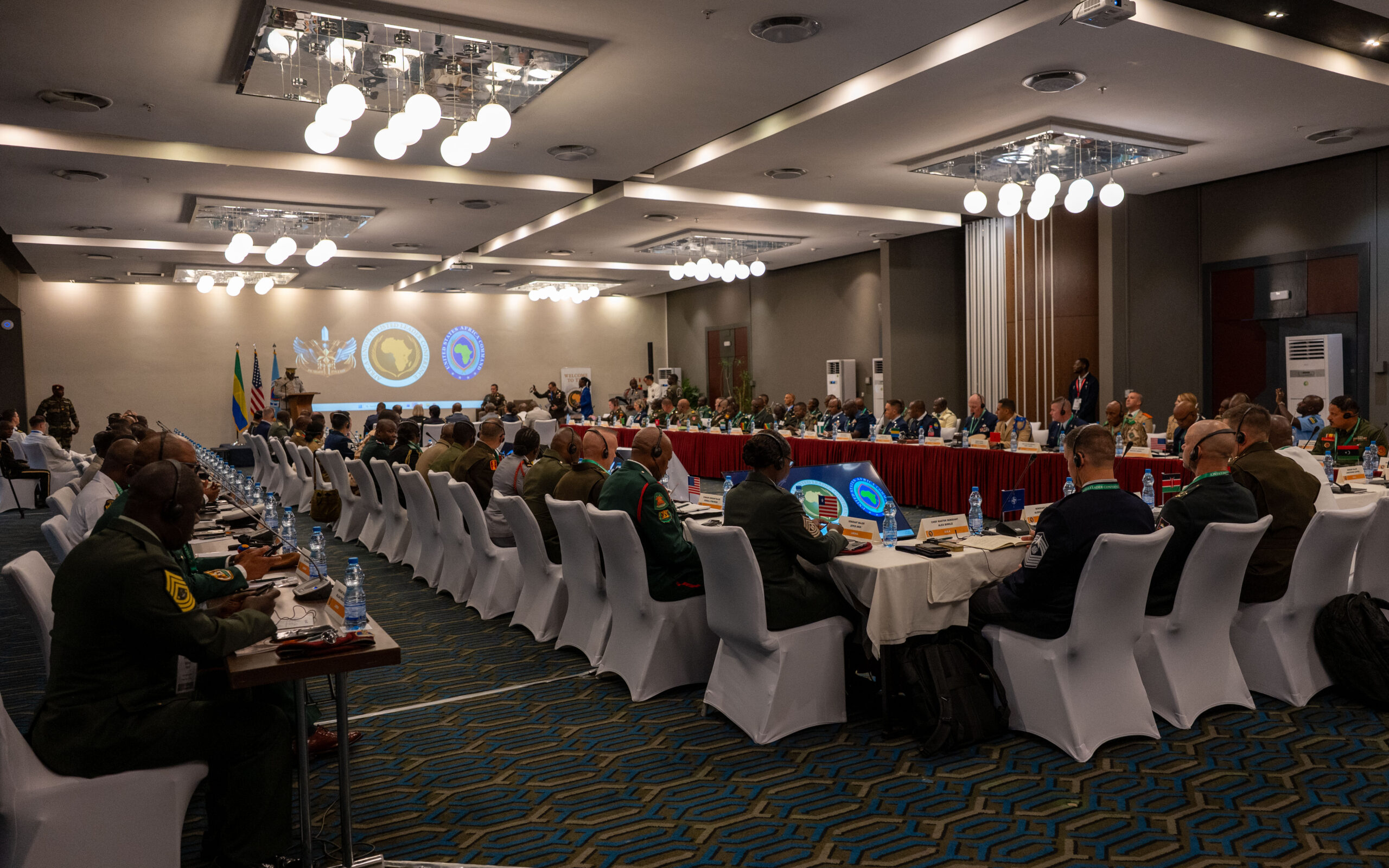
Nigeria is taking part in an African forum for senior enlisted soldiers. This shows the country’s investment in its military and the relationships needed to tackle security threats that cross borders.
“The more time and energy, the blood, sweat and tears, that we can shed during training save blood on the battlefield,” Command Sergeant Major Garric M. Banfield said on Thursday during a phone call with PREMIUM TIMES from Libreville, Gabon. Command Sgt. Maj. Banfield is the Command Senior Enlisted Leader for U.S. AFRICOM.
He has seen the importance of this lesson throughout his long career. He has worked in conventional units, civil affairs, special operations, and assignments focused on Africa and Afghanistan.
This meeting, called the eighth Africa Senior Enlisted Leader Conference (ASELC), took place in Libreville, Gabon, from September 14 to 17. Participants started arriving on September 14, and the opening ceremony was on the morning of the 15th.
The conference featured 127 senior enlisted leaders and other participants from 26 African countries, along with U.S., European, and NATO partners.
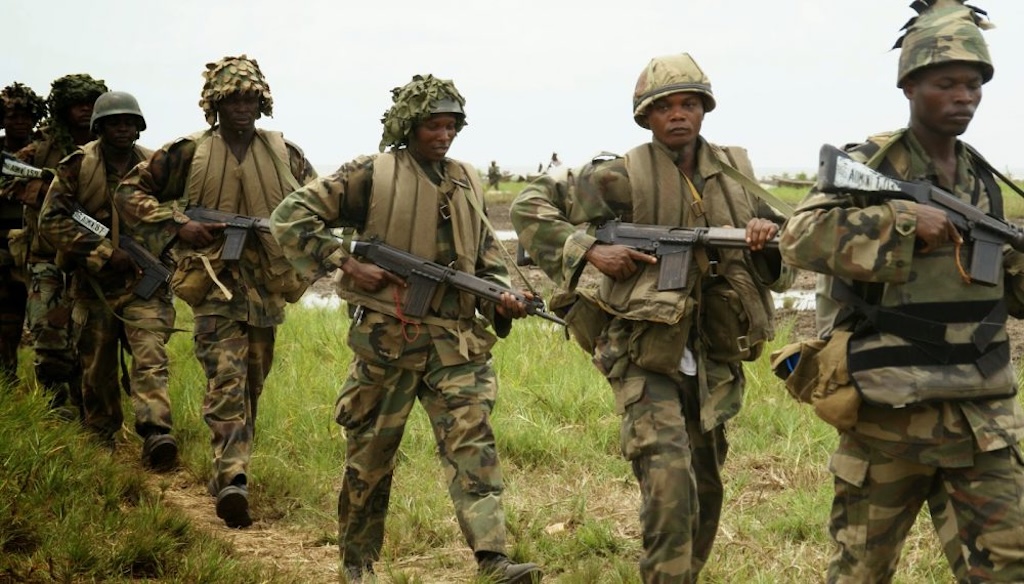
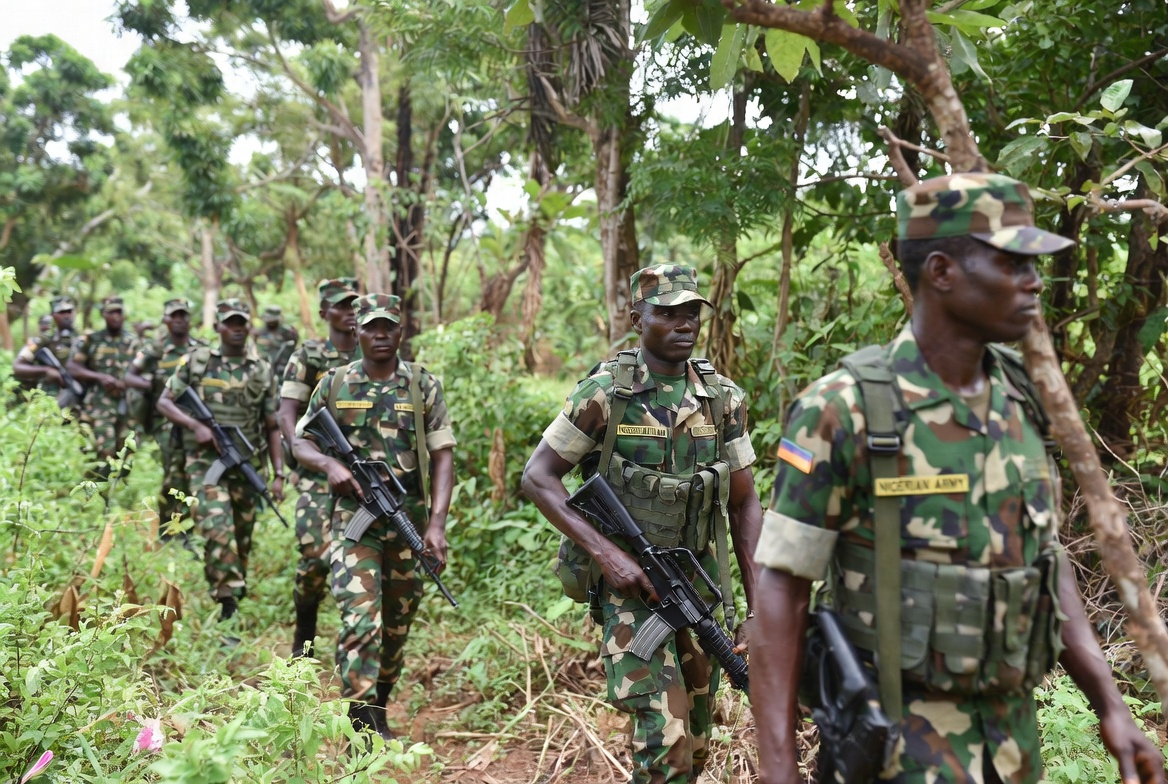
While Nigeria’s participation may not get as much attention as presidential meetings or big military actions, it is still important for security. Nigeria is a key player in West Africa, with its armed forces involved in fighting terrorism, handling border security, supporting peace missions, and ensuring maritime security in the Gulf of Guinea.
Being at ASELC 2026 does not mean that a conference for non-commissioned officers will solve problems like Boko Haram, ISWAP, banditry, or maritime crime. Instead, it is about investing in the soldiers and leaders who are on the ground, as well as building strong professional systems and relationships needed for cross-border security challenges.
Understanding Roles in the Military
ASELC focused on senior enlisted leaders, also known as non-commissioned officers (NCOs). NCOs are not the same as commissioned commanders. Their ranks and duties may vary across different countries, but their roles are generally similar.
NCOs train troops, enforce standards, guide junior members, maintain discipline, supervise daily work, and carry out the commander’s orders on the ground.
This role is crucial because while commanders give orders, it is the soldiers who must understand and carry out those orders under pressure. They must also keep equipment in good condition and adapt to changes while staying professional in tough situations.
Mr. Banfield called this the “superpower” of a strong NCO corps. “We are not the commanders in our formations,” he said. “We are here to make this commander better, take his mission statement and his vision, and transmit that down to the enlisted force and those troops that are down on the front line.”
For Nigeria, this is not just a military management issue. Operations against insurgents and terrorists, anti-banditry efforts, border patrols, maritime missions, and peace support operations all need well-trained and reliable junior and mid-level leaders.
Nigeria’s Security Interests
Nigeria gains when partner militaries can work better together. Security challenges go beyond borders. Armed groups, weapons, illegal financing, and trafficking networks do not stop at national boundaries.
This is why professional cooperation is vital. It does not mean that African militaries should adopt the same methods or structures. It means they should be able to share information, communicate well, train together, and trust each other enough to work together during joint operations.
Nigeria’s Chief of Defence Staff, General Olufemi Oluyede, emphasized Nigeria’s commitment to working with others to fight insecurity at the 2026 African Chiefs of Defence Conference.
He pointed out the importance of regional intelligence, border management, defence partnerships, and joint operations in responding to shared threats. These priorities link closely to the professional exchanges ASELC aimed to promote.
Nigeria’s presence in Libreville comes at a time when its security challenges are interlinked with developments in West Africa, the Lake Chad Basin, the Gulf of Guinea, and the entire continent.
Part of a Bigger Picture
ASELC is part of Nigeria’s broader security relationship with the United States. In February, AFRICOM Commander Gen. Dagvin Anderson visited Abuja with Mr. Banfield and other U.S. officials.
They met with President Bola Tinubu and key Nigerian security leaders like the National Security Adviser, Minister of Defence, Chief of Defence Staff, service chiefs, and intelligence officials.
Lt. Gen. John Brennan Jr., AFRICOM’s deputy commander, also visited Abuja in January for security talks. He joined Nigerian officials to launch the first U.S.-Nigeria Working Group to create a stronger mechanism for bilateral security cooperation.
Nigeria’s role in ASELC should therefore be seen as part of a larger effort in security diplomacy and professional collaboration. Nigeria makes its own security decisions, but working together can strengthen relationships and information sharing needed to tackle cross-border threats.
Nigeria was at the first ASELC in Grainau, Germany, in 2017. It also joined the 2022 meeting in Rome, the 2023 conference in Zambia, the 2024 gathering in Malawi, and the 2026 meeting in Gabon. Nigeria's attendance at the 2025 edition has not been confirmed.
A West African Gathering
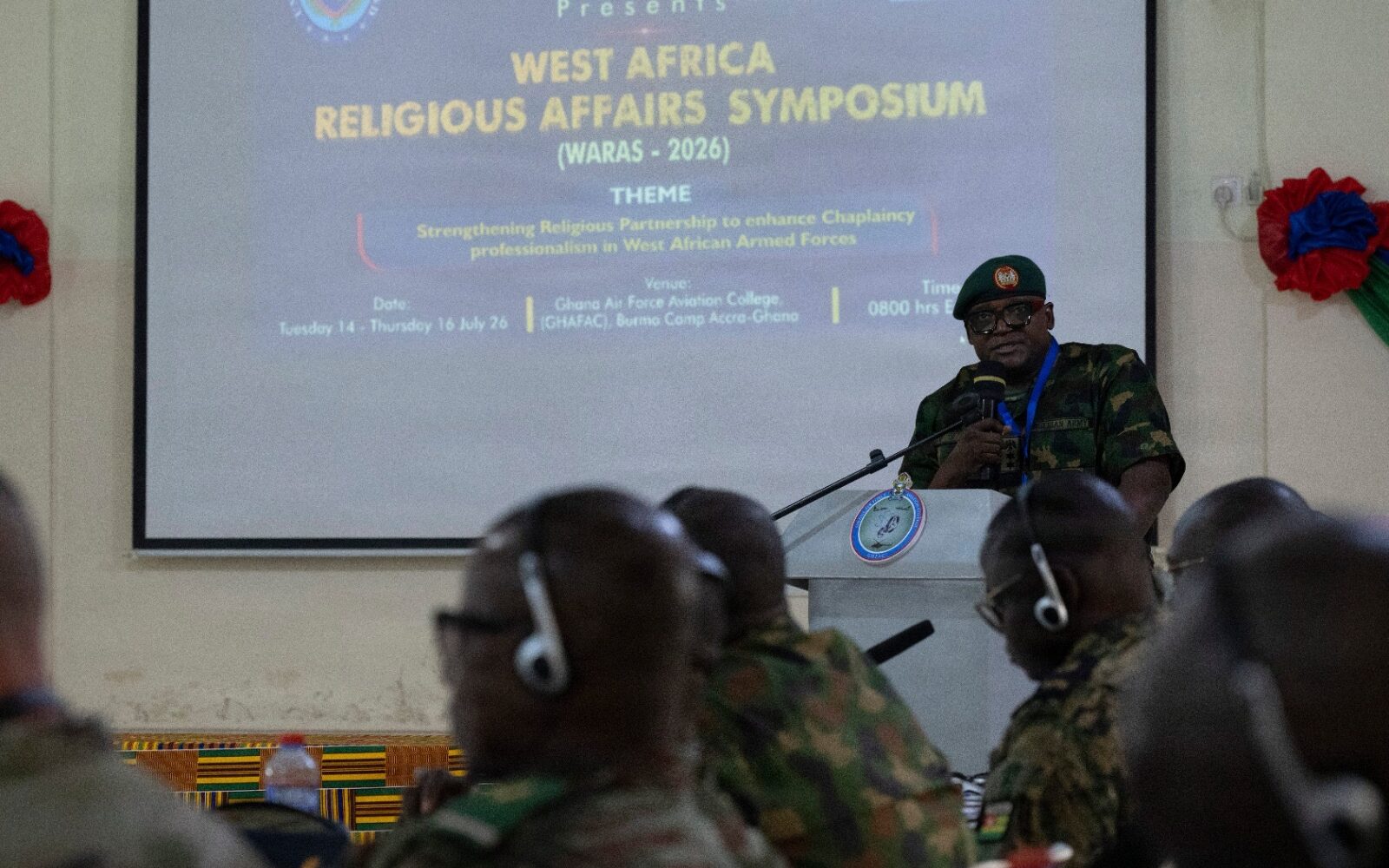
Nigeria was one of nine West African countries at the conference in Libreville. The others included Benin, Cabo Verde, Côte d’Ivoire, Ghana, Liberia, Mauritania, Senegal, and Sierra Leone.
The event brought together countries with different military traditions and security challenges. They all face overlapping risks like violent extremism, illegal trafficking, maritime insecurity, and the need for strong, accountable armed forces.
Zimbabwe joined ASELC for the first time in 2026, adding a southern African viewpoint to the discussions.
Mr. Banfield explained that the conference was not meant to make countries adopt U.S. military models. Instead, participants were encouraged to evaluate their current enlisted forces and think about how to improve them.
“I am not of the mindset that every model needs to look exactly like the United States model,” Mr. Banfield said. “We need to respect what is best for those individual countries and those individual militaries.”
The key benefit of ASELC may be the chance for African countries to learn from one another. Some forces have advanced faster in areas like military education, mentorship, and career paths. A regional forum allows leaders to share practical lessons, especially when they face similar challenges.
Looking Beyond Libreville
Having the conference in Gabon allowed Nigeria’s leaders to meet in a Central African setting. Nigeria and Gabon do not have the same main defence partnerships or security threats. But both are interested in maritime stability and better military cooperation across the Gulf of Guinea.
The importance of Nigeria’s attendance will not be seen in photos or flags in Libreville. It will show in whether the connections and ideas from the conference lead to better training, stronger leadership, professional standards, and reliable cooperation when tackling shared threats.
For Chief Warrant Officer Guy-François Ossinga Ossounda of the Gabonese Armed Forces, developing enlisted leaders starts with a simple truth. “We are the ones on the field, and we know how things are done,” he said.
For Nigeria and its West African partners, the challenge is to ensure that this field knowledge is developed and shared across the region before the next security crisis arises.
Drop your comment
No comments yet — be the first to drop the gist 👇