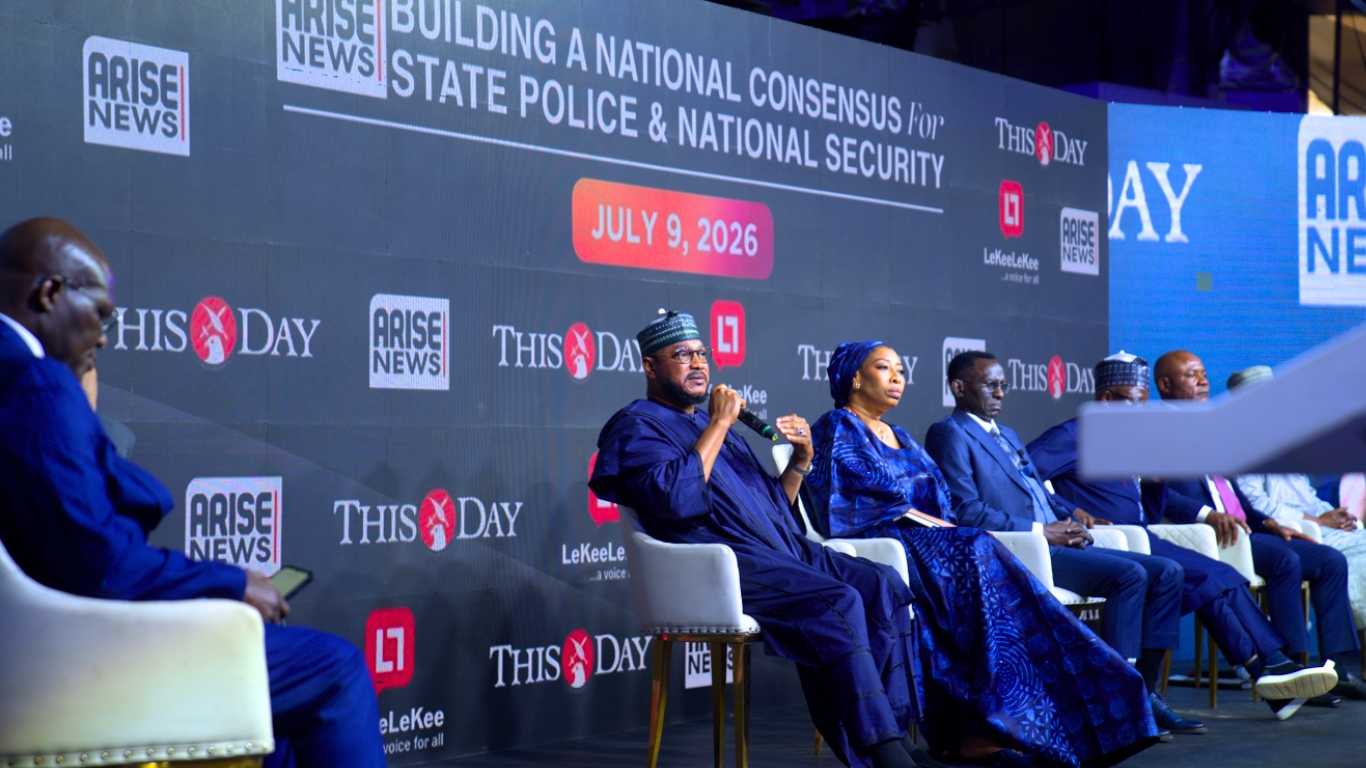
Zamfara State Governor, Dauda Lawal, said on Thursday that he will not pay the N300 million ransom demanded by bandits who kidnapped his brothers seven years ago.
Mr Lawal, whose state faces serious banditry, explained that paying ransom would only encourage these criminals to keep committing their crimes.
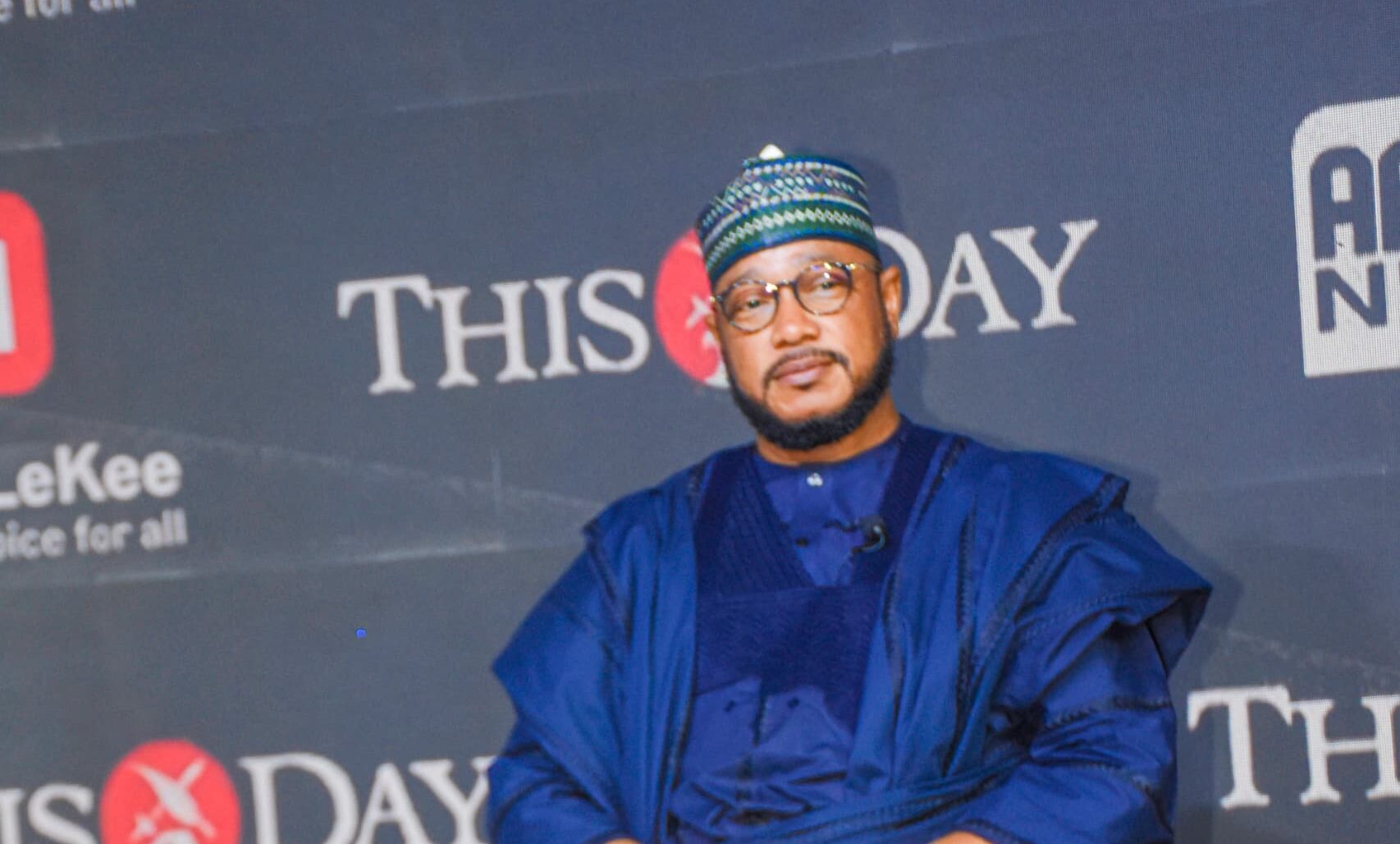
He made these comments during the National Town Hall Meeting organized by ARISE TV in Abuja. The meeting was focused on building support for state police and security.
The governor, who was part of a panel, promised never to negotiate with bandits or criminals from a weak position. He said, "I will not negotiate from the place of weakness, and I will not pay ransom to any criminal, no matter what happens."
He continued, "By the time we continue to pay ransom to these people, we are encouraging them to be kidnapping people more and more. My own brothers were kidnapped in 2019, and these criminals were demanding at the time about N300 million. And I said, ‘Look, I’m not going to pay a dime.’ If you like, go and kill them." The governor said he believes that if ransom payments stop, criminals will think twice before abducting people.
Call for State Police
While pushing for the establishment of state police, Mr Lawal said governors should have operational control over security in their states. This way, they can be held responsible for protecting their citizens and properties.
He expressed frustration that he and other governors are called the chief security officers of their states but do not have real power over security forces. "It is important to know that Zamfara State has been facing insecurity in the last 13 years. And we are being called the chief security officers of our respective states. However, the command and control structure is not under the governors."
He added, "I am happy about the latest development about the state police because it allows us to keep our responsibilities and for our people also to hold us responsible as far as the security situation is concerned in our respective states."
Mr Lawal believes that having state police will help tackle security challenges effectively. "So, I am, for this," he said.
He acknowledged concerns about potential abuse of power but insisted that the legal framework for state police needs strengthening. He noted that some states, including Zamfara, already have security outfits without reports of their governors misusing them.
His government set up the Community Protection Guard (CPG) when he took office in 2023, and he claimed it has only been used to fight criminals. "I don’t think there is any reason to fear that governors will abuse the process," he said.
Need for State Police
Ben Kalu, the Deputy Speaker of the House of Representatives, emphasized the need for state police. He stated that current laws centralizing policing have failed citizens.
"As parliament, which is the people’s house, we have consulted, and we have found that there is a general consensus among Nigerians that it is an issue that must be attended to," he said. Kalu also discussed how to improve the existing structure for protecting lives and property.
He said the legislature is looking at how to bring policing closer to the people and improve funding. "We started with, how do we do it? Is it by unbundling it? Is it by taking it closer to the people? Is it by funding it more? What are the issues with the current structures that we have?"

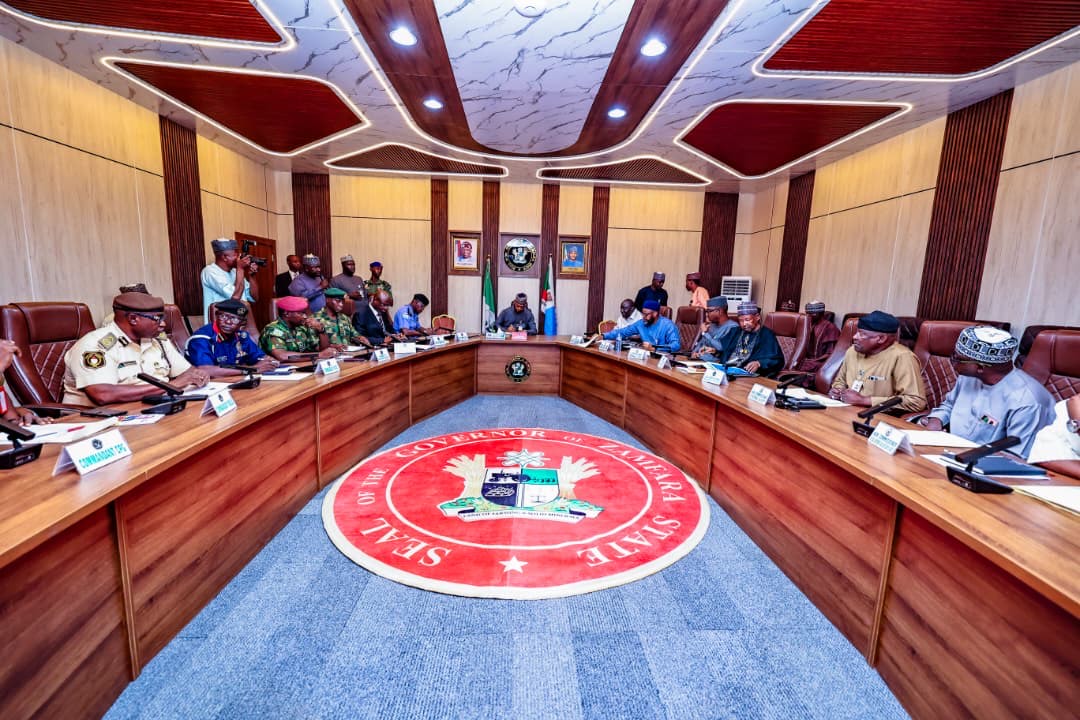
Kalu, who leads the House Committee on Constitution Review, mentioned that safeguards are necessary to prevent governors from misusing state police. He asked, "How many of these high courts have been used by the governors to jail those who are against them?"
Senate Leader Opeyemi Bamidele said funding is key to sustaining state police. "If the state police is not well funded, it may as well be a highway to nowhere," he warned. He added that funding must be independent from the influence of state governors.
Issues to Address
Lucky Irabor, a former chief of defence staff, highlighted the need to address issues affecting the federal police before establishing state police. He said, "When they fully come on stream, we must do well to address the root causes of the disease that has affected the federal police."
Irabor stressed the importance of training for state police and suggested a uniform structure across states. He warned against the misconception that state police would bring policing to the grassroots, as police stations already exist in many areas.
Adams Oshiomhole, former Edo State Governor, criticized the contradiction of governors being called chief security officers without control over police. He expressed frustration at having to spend on security without the power to enforce discipline.
Oshiomhole said, "Nobody will be able to fund anything you do not believe in. Where we put money is a reflection of our values and priorities."
He added that if a governor misuses state police, voters should hold them accountable. Nnenna Elendu-Ukeje, a former House member, expressed doubt about the planning for state police and highlighted the need to address crime types and funding before implementation.
Security expert Bukar Usman pointed out that proper management of funds is critical. He said, "My final statement is to emphasise the human factor; it is not the law which is the problem."
Support for State Police
Governor Charles Soludo of Anambra State joined the discussion virtually. He supported state police but called for a broader restructuring of Nigeria’s federal system. He said the focus should now be on how to implement state police.
Soludo noted the fiscal imbalance between the federal government and the states. He believes more resources should go to states for better service delivery.
He also called for reforms in the judiciary, saying it acts as a barrier to true federalism. He suggested establishing state Courts of Appeal and state Supreme Courts.
Senator Natasha Akpoti-Uduaghan cautioned against misuse of state police and stressed the need for strong safeguards in its creation. "State police should never become an instrument of political oppression or executive intimidation," she said.
She added that adequate funding is crucial for state police to succeed.

Drop your comment
No comments yet — be the first to drop the gist 👇